Muscle loss may be an important warning sign of dementia
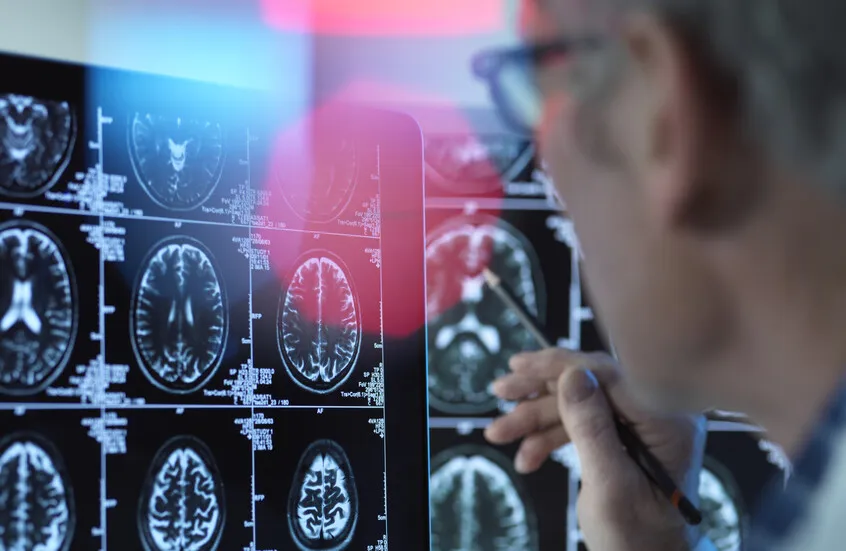
Researchers from Curtin University analyzed more than 80 studies examining the links between body weight, body fat, muscle health and dementia. They found that people with sarcopenia, a condition characterized by the gradual loss of muscle mass, strength and physical function, were 42% more likely to develop dementia.
The study, published in the International Journal of Food Sciences and Nutrition, also found that the association between obesity and dementia risk varied by age. Among middle-aged adults under 65, obesity was associated with a 9% higher risk of dementia. In contrast, obesity among people aged 65 and older was associated with a 17% lower risk.
Lead researcher Dr. Yuraiporn Buranasakool from Burapha University said the findings show that body weight alone does not provide a complete picture of dementia risk.
“It is not only about how much a person weighs. Maintaining muscle strength and function appears to become increasingly important with age. Our findings suggest that muscle loss may be an important warning sign of dementia risk,” she said.
The researcher emphasized the importance of maintaining muscle health throughout life, noting that regular physical activity and a healthy diet can help support muscle strength and function.
The researchers also examined sarcopenic obesity, a condition combining low muscle mass or impaired muscle function with excess body fat. Based on only four studies that met the analysis criteria, they found no statistically significant association between sarcopenic obesity and dementia.
The study’s corresponding author, Professor Mario Cesare from Curtin’s School of Population Health, said the findings highlight the complex relationship between body weight, aging and dementia. He added that further long-term research is needed to understand how changes in muscle and body fat over time may affect dementia risk.
The study was led by researchers from Curtin University’s Centre of Excellence for Population Health Research and Dementia, in collaboration with researchers from Australia, the UK, Canada, Thailand and Italy.