How stress and anxiety can affect the digestive system
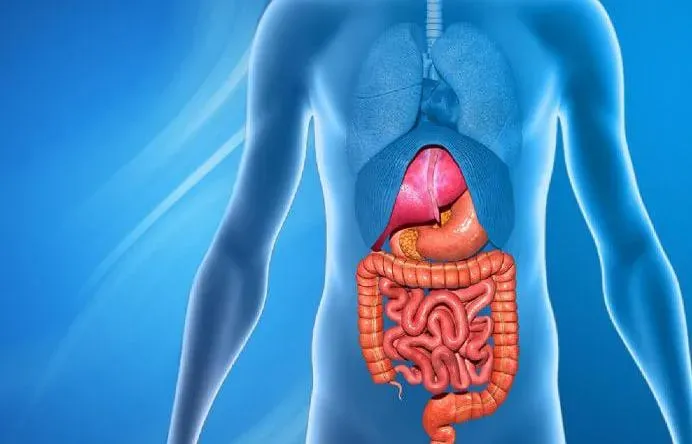
Kamran Baqeri Lankarani, former Iranian health minister and a gastroenterology and hepatology specialist, told ANA that gastrointestinal diseases show some degree of gender-based variation, with certain conditions more common in men and others more prevalent among women.
He said gastrointestinal cancers, including stomach, esophageal and pancreatic cancers, are more common in men, while colorectal cancer does not show a clear gender-specific pattern and has a roughly similar prevalence in both sexes.
These differences are partly related to the risk factors associated with the cancers, Baqeri Lankarani said. For non-cancerous gastrointestinal diseases, some of the differences are also linked to cultural factors and living conditions in different societies.
Gastrointestinal disease patterns vary across societies
Referring to disorders related to gastrointestinal function, the former health minister said conditions that were previously known as gastrointestinal motility disorders are now generally classified as disorders of the gut-brain axis, and their prevalence can vary across different societies.
For example, he noted that irritable bowel syndrome is more common among men in some parts of India, whereas globally, the condition is generally more prevalent among women.
“There may be reasons suggesting that psychological differences and the way individuals respond to factors that predispose them to disease can influence disease prevalence patterns,” he said. “Therefore, a single pattern cannot be applied to all societies and individuals.”
Regarding the reported increase in some gastrointestinal problems among women, Baqeri Lankarani said that more cases of reflux disease have recently been observed among some women. In examining contributing factors, increased coffee consumption and greater use of hookah among some of these individuals have attracted attention, whereas such patterns had previously been observed more frequently among men.
Work-related stress alone does not determine disease risk
Asked about the relationship between employment, work-related stress and gastrointestinal problems among women, Baqeri Lankarani said stressful conditions are associated with almost every type of chronic disease and may increase the likelihood of developing or worsening such conditions.
He added that disorders previously described as gastrointestinal motility disorders, now referred to as gut-brain axis disorders, are no exception.
“When a person experiences stress, cortisol secretion increases. This can be accompanied by increased levels of norepinephrine and epinephrine, and these changes can cause effects in the gastrointestinal system and other parts of the body,” he said.
The key issue, he emphasized, is not whether a person works outside the home, nor is it primarily whether the individual is a woman or a man. “The important question is whether the person is experiencing anxiety,” he said.
Anxiety differs from fear
Baqeri Lankarani explained that anxiety does not mean being free of fear. Fear is a genuine response that all people experience under different circumstances. What differs among individuals is how they respond to fear and unfamiliar or adverse situations.
“The issue is how a person behaves when faced with fear, unfamiliar circumstances and difficult conditions,” he said. “Can they adapt to the situation and improve it for themselves, or do they become confused in response to these circumstances?”
The former health minister noted that if a person responds to difficult circumstances with confusion and an inability to adapt, this may contribute to pathological anxiety and related problems.