Iran’s Nano-Mark Awarded to Catalytic Converter for Gasoline-Powered Vehicles
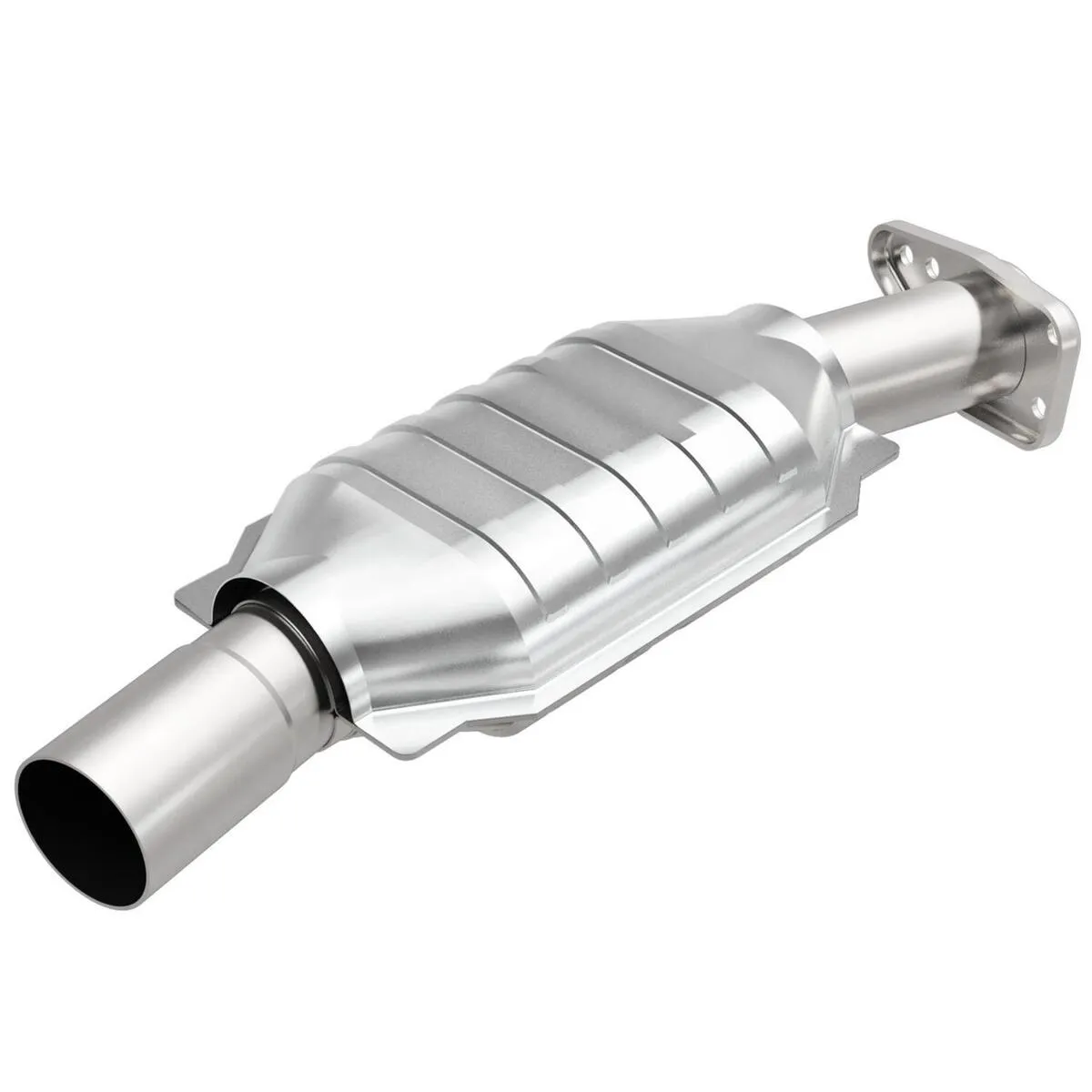
The converters use nanotechnology to convert pollutants emitted from the exhaust of gasoline-powered vehicles into harmless gases. By reducing the consumption of precious metals like platinum, palladium and rhodium and increasing the efficiency of the catalyst, the product, is more affordable and performs better in reducing CO, NOx and unburned hydrocarbon emissions.
By producing automotive catalytic converters containing precious metal nanoparticles (PGM nanoparticles including platinum, palladium, rhodium), the company has been able to reduce the consumption of these metals and increase the efficiency of the catalyst activity (improve performance) in converting harmful gases like CO, NOx, and unburned hydrocarbons, thus achieving a more effective and cheaper catalyst.
The nanocatalyst is manufactured by coating the surface of the ceramic base of the catalyst (monolith) with layers containing oxide compounds and creating precious metal nanoparticles (Pt, Pd, Rh) on the surface of the catalyst base coating. The creation and uniform distribution of precious metal nanoparticles increases active sites and creates large active surfaces, increasing reactivity.
The Nano Mark is a national mark that is licensed to be used by the Iran National Standards Organization in cooperation with Iran Nanotechnology Innovation Council based on the processes approved in the Nano Mark Awarding Instruction No. 247/150/D, for use in a nanotechnology product.
Iran has made nanotechnology a priority in recent years, achieving remarkable success. The nanotechnology research website StatNano has ranked Iran as fourth in the world in nanotechnology publications.
Earlier reports in August said that Iran’s nanotechnology market has experienced significant and sustained growth over the past decade, and according to official figures, its average annual growth rate from 2013 to 2023 reached nearly 97%.
The average annual growth rate of 97% in the nano market means that the sales volume of nano-based products in Iran has doubled almost every year. This significant growth occurred while the largest jump was recorded in 2020 with a growth of 160%, and the growth in 2023 with 102%, exceeding the set targets (40%).
Despite the impact of factors like the increase in the exchange rate and inflation on the country’s economic indicators since 2017, Iran’s nanotechnology market has continued to enjoy sustained growth, and even the share of exports in this field reached 57,100 billion rials in 2023 (equivalent to 9.2% of the total market).
In addition to the product market, the nanotechnology equipment market has also grown significantly in recent years, specially in 2020, 2021, and 2023. As in 2023, after a period of decline, it experienced a growth of nearly 60%, and devices like ‘freeze dryers’ and ‘sputtering coating’ have been at the top of the best-selling equipment.
These statistics provide a clear picture of the dynamism, exports capacity, and upward trend of nanotechnology in Iran, which can be the basis for larger policymaking in the field of science, technology, and knowledge-based economy.
4155/v