Your 'Eco-Friendly' Wood Stove May Be Releasing Toxic Pollutants
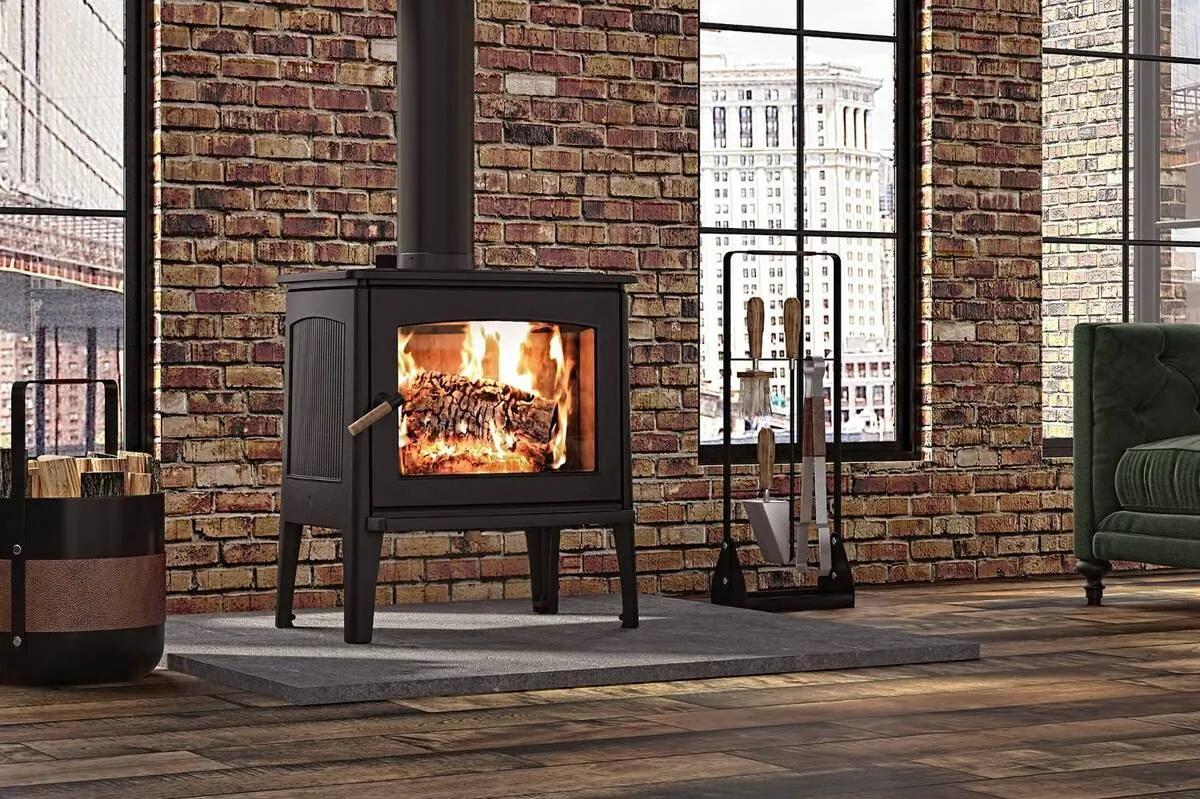
Researchers at the University of Surrey’s Global Centre for Clean Air Research (GCARE) are cautioning residents about the health risks posed by wood-burning stoves, including those built to modern eco-design standards. Their findings show that using these stoves can lead to short-term exposure to high concentrations of harmful pollutants, which may present health hazards for people living in affected homes, the journal Scientific Reports reported.
The study involved monitoring several homes in Guildford, Surrey, that used different types of heating stoves and clean solid fuels, such as seasoned wood, kiln-dried wood, wood briquettes, and smokeless coal. Measurements focused on pollutants including ultrafine particles (UFPs), fine particulate matter (PM2.5), black carbon (BC), and carbon monoxide (CO). The results showed that open fireplaces were the highest emitters, raising PM2.5 levels up to seven times more than modern stoves.
Multifuel eco-design stoves ranked next in emissions, releasing greater amounts of ultrafine particles (UFPs) than standard eco-design models, which hold the highest rating for low emissions under the UK certification scheme. Tests showed that using wood briquettes and smokeless coal increased UFP exposure by 1.7 and 1.5 times, respectively, compared with seasoned wood—contradicting the belief that these processed fuels are cleaner choices.
Although the advanced stove designs lowered overall pollutant output, even the most efficient models generated sharp increases in indoor pollution during activities such as lighting, adding fuel, and clearing ash. In many instances, measured pollutant levels surpassed the World Health Organization’s (WHO) good practice guideline for 24-hour average concentrations of 10,000 particles per cubic centimeter for ultrafine particle source control.
“With rising energy prices, many households will be turning to solid fuel heating when the colder months hit, often assuming that modern stoves offer a cleaner, safer alternative. However, our findings show that this shift comes at the cost of indoor air quality, with potentially serious health implications considering people spend up to 90% of their time indoors. Public health advice, ventilation guidance, and building design standards must adapt to keep pace with these changing heating habits,” says Professor Prashant Kumar, Co-Director, Institute for Sustainability, Professor and Chair in Air Quality and Health; Founding Director, Global Centre for Clean Air Research (GCARE).
The research team also found that ventilation played a critical role in indoor pollution. Homes with closed windows during burning had up to three times higher pollution levels than those with periodic window opening. Smaller room size and longer burning durations also worsened indoor air quality, highlighting how everyday factors influence exposure.
“Even in homes using ‘cleaner’ stoves and fuels, we saw pollutant levels rise well beyond safe limits – especially when ventilation was poor or stoves were used for long periods. Many people simply don’t realise how much indoor air quality can deteriorate during routine stove use. This research shows the need for greater awareness and simple behavioural changes that can reduce exposure,” says Abidemi Kuye, PhD researcher at the GCARE.
Short and long-term exposure to pollution from wood-burning sources has been linked to a wide range of health effects, including chronic respiratory conditions, heart disease, lung cancer, and even damage to the kidneys, liver, brain, and nervous system.
4155/v