Scientists Create New Supermaterial That Could Replace Plastic
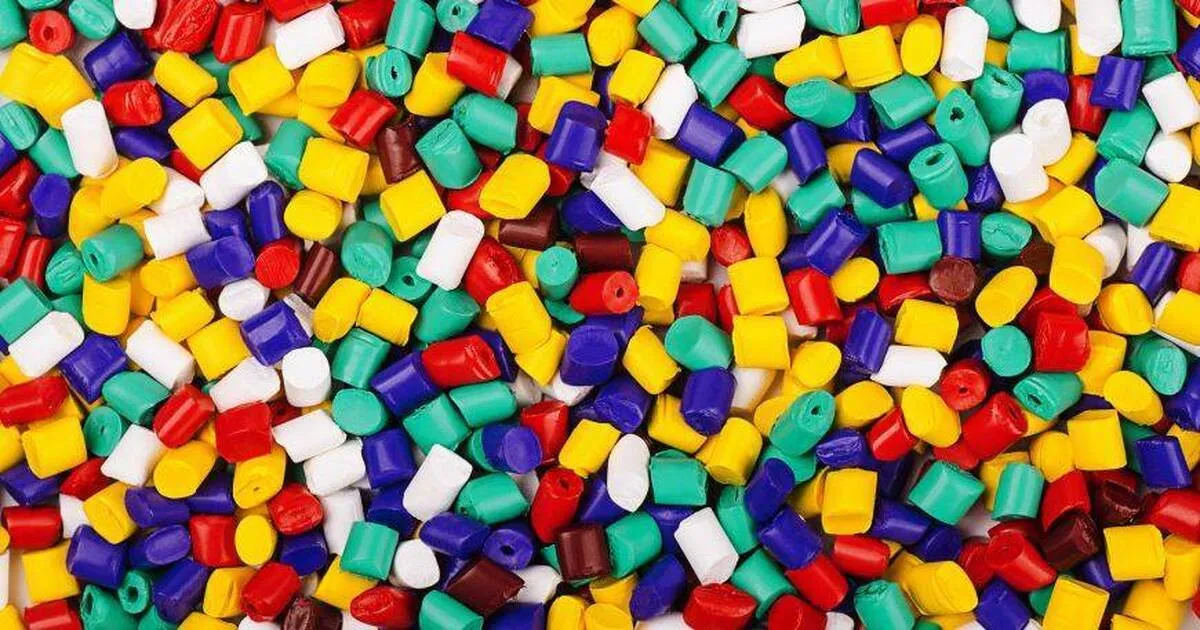
As plastic waste continues to accumulate across the globe, creating serious environmental challenges, researchers are turning to nature for sustainable solutions, the journal Nature Communications reported.
Maksud Rahman, an assistant professor of mechanical and aerospace engineering at the University of Houston, has developed an innovative method for transforming bacterial cellulose, a biodegradable material, into a versatile substance that could serve as a replacement for plastic.
This material holds promise for a wide range of uses. It could soon be used to create everyday data-x-items such as disposable water bottles, eco-friendly packaging, and even wound dressings. All of these applications rely on bacterial cellulose, a naturally abundant and biodegradable biopolymer found in the environment.
“We envision these strong, multifunctional and eco-friendly bacterial cellulose sheets becoming ubiquitous, replacing plastics in various industries and helping mitigate environmental damage,” said Rahman, who is reporting his work in Nature Communications.
“We report a simple, single-step, and scalable bottom-up strategy to biosynthesize robust bacterial cellulose sheets with aligned nanofibrils and bacterial cellulose-based multi-functional hybrid nanosheets using shear forces from fluid flow in a rotational culture device. The resulting bacterial cellulose sheets display high tensile strength flexibility, foldability, optical transparency, and long-term mechanical stability,” said Rahman. M.A.S.R. Saadi, a doctoral student at Rice University, served as the study’s first author and Shyam Bhakta, a postdoctoral fellow in Biosciences at Rice, supported the biological implementation.
Growing concern over the harmful effects of petroleum-based, non-degradable materials on the environment has intensified the demand for sustainable alternatives, such as natural or biomaterials. Bacterial cellulose has emerged as a potential biomaterial that is naturally abundant, biodegradable, and biocompatible.
To strengthen the cellulose and create more functionality, the team incorporated boron nitride nanosheets into the liquid that feeds the bacteria, and fabricated bacterial cellulose-boron nitride hybrid nanosheets with even better mechanical properties (tensile strength up to ~ 553 MPa) and thermal properties (three times faster rate of heat dissipation compared to samples).
“This scalable, single-step bio-fabrication approach yielding aligned, strong and multifunctional bacterial cellulose sheets would pave the way towards applications in structural materials, thermal management, packaging, textiles, green electronics and energy storage,” Rahman said. “We’re essentially guiding the bacteria to behave with purpose. Rather than moving randomly, we direct their motion, so they produce cellulose in an organized way. This controlled behavior, combined with our flexible biosynthesis method with various nanomaterials, enables us to achieve both structural alignment and multifunctional properties in the material at the same time.”
And by moving, Rahman means spinning, introducing a custom-designed rotation culture device where cellulose-producing bacteria are cultured in a cylindrical oxygen-permeable incubator continuously spun using a central shaft to produce directional fluid flow. This flow results in consistent directional travel of the bacteria.
“That significantly improves nanofibril alignment in bulk bacterial cellulose sheets,” Rahman said. “This work is an epitome of interdisciplinary science at the intersection of materials science, biology, and nanoengineering.”
4155/v