Iran-Made Actinomycetous Biofertilizer Increases Tomato Yield, Quality, Shelf Life
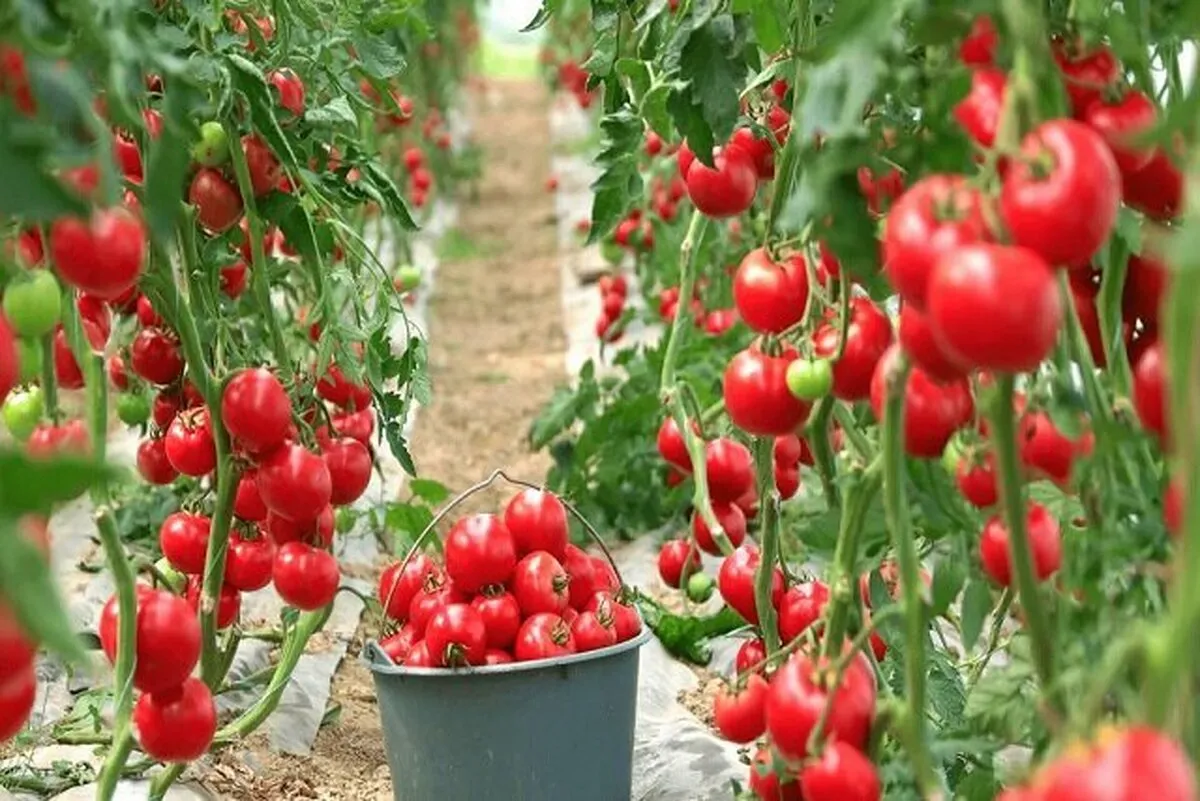
“The research and evaluations of this project were carried out from the beginning based on indigenous knowledge and using the most accurate molecular identification tools, and the produced fertilizer, which is the first actinomycetous biofertilizer produced specifically for tomatoes in Iran, has been assessed many times at the pilot level,” said Akram Sadeqi, a member of the Agricultural Biotechnology Research Institute of Iran who led the research.
She explained that after examining and ensuring the quality of tomatoes produced with this fertilizer in terms of residual nitrate content, nutrients, aroma and flavor, marketability, and shelf life of the product in cold storage, the findings and results were presented to the pioneer greenhouse farmers in the form of a farm day program.
Also, Shahi, the managing-director of the company that produces the biofertilizer described it as the first actinomycetes biofertilizer produced based on solid bed fermentation in Iran.
In a relevant development in August, a knowledge-based company in Iran had also produced a type of biological fertilizer for plant growth in drought conditions, the use of which leads to water savings.
The researchers at the knowledge-based company took an effective step in reducing water consumption and maintaining agricultural production in the country's drought conditions by producing ‘biological fertilizer that makes plants resistant to salinity and drought stresses’.
“The specific bacteria in the formulation of this fertilizer, through the secretion of special hormones and enzymes, as well as the promotion of the gene systems of plants under stress conditions, increase the absorption of nutrients and overcome the cessation of plant growth and stimulate its growth again in such conditions, which is the main factor in plant resistance in stressful conditions,” said Maryam Safdarian, the managing director of the knowledge-based company.
“Since the excessive use of chemical fertilizers causes pollution and salinity of water and soil, reduced quality of agricultural products, and water shortages and droughts, we proposed the idea of exploiting the capacity of microorganisms to improve plant gene systems as one of the successful approaches to improve plant production and performance in harsh environmental conditions,” she added.
4155/v


















