Iranian Researchers Identify New Parasite in Broiler Farms
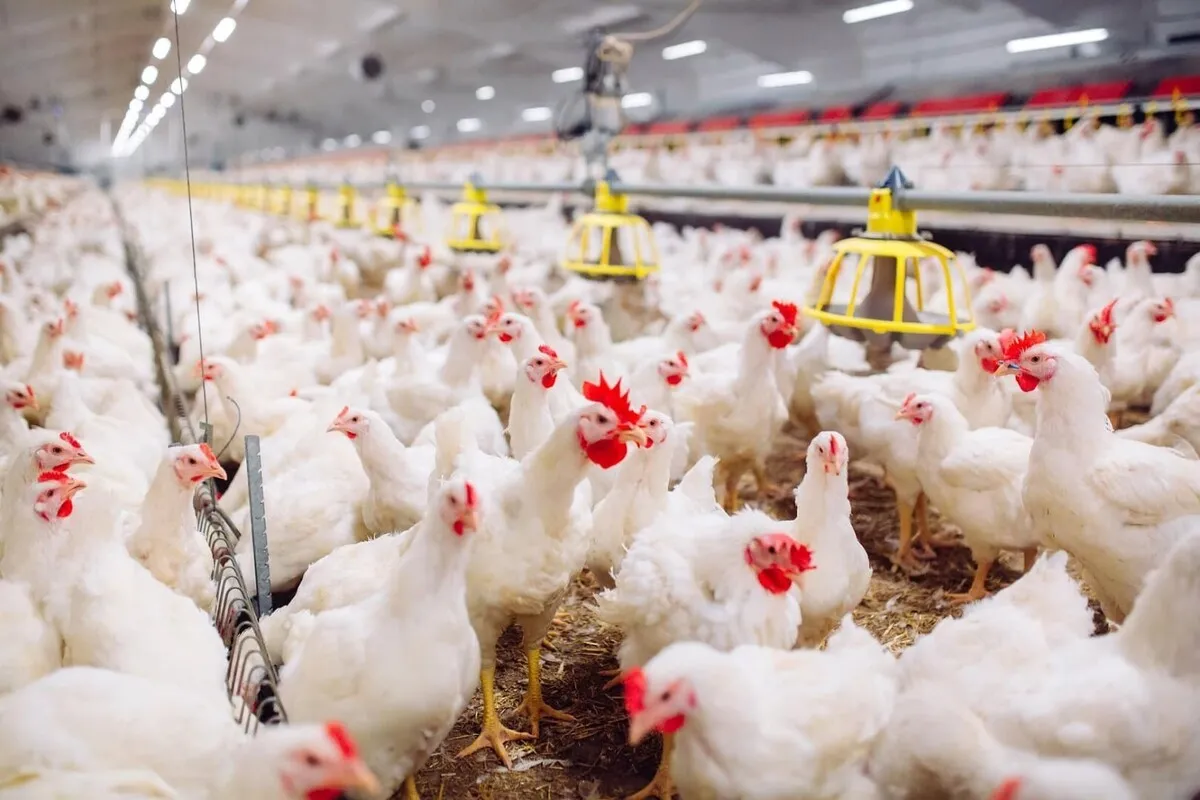
A group of researchers from the Faculty of Veterinary Medicine at the University of Tehran, guided by Dr. Jamshid Razmyar and Dr. Mostafa Peyghambari, succeeded in discovering a new species of parasite in Iranian broiler farms.
The report added that the discovery can pave the way for more precise control of Coccidiosis.
The newly-idtentified is caused by intracellular parasites of the genus Eimeria, the report said, adding, identification of Eimeria zaria in Iran is not only a scientific success but also an effective step toward improving poultry health, increasing the productivity of the poultry industry, and enhancing national food security.
The research was executed by Amirhossein Sharifi Moghadam (Specialized Ph.D. Student in Avian Health and Diseases), Amin Riahi (General Ph.D. Student in Veterinary Medicine, University of Tehran), Mohammad Reza Rudaki Sarvandarani (Specialized Board Certified in Avian Health and Diseases, University of Tehran), and Azam Yazdani (Molecular Poultry Laboratory Expert, Faculty of Veterinary Medicine, University of Tehran), under the guidance of Dr. Jamshid Razmyar and Dr. Seyed Mostafa Peyghambari, with consultation from Dr. Hesamoddin Akbarin (Faculty Member, Faculty of Veterinary Medicine, University of Tehran), and in collaboration with the Sana Institute for Health and Avian Diseases.
In another scientific acheivement by the University of Tehran’s researchers in August, researchers at the University’s Center for Biochemistry and Biophysics Research identified the pathogenic mechanism and an important mutation in the human alpha-B crystallin protein that leads to cataracts and blindness.
The findings of Farid Nasiri, a PhD student in biochemistry at the University of Tehran, in his doctoral thesis titled ‘The role of mutation (p.R107L) on the structure, stability, chaperone activity, and fibrillation of human alpha-B crystallin protein’ identified the pathogenic mechanism and an important mutation in the human alpha-B crystallin protein that leads to cataracts and blindness.
Researchers at the Protein Chemistry Laboratory at the Center for Biochemistry and Biophysics Research produced the mutant protein in a bacterial host using targeted mutagenesis methods and recombinantly.
In this study, the structural features and biological activity of the protein were investigated using various spectroscopic and microscopic methods.
The results of the study showed that this pathogenic mutation changes the secondary to tertiary structure of human alpha-B crystallin and significantly reduces its activity and structural stability.
These fundamental changes in the structure and biological activity of alpha-B crystallin can lead to the accumulation of other proteins in the lens of the eye and the formation of larger particles with the ability to scatter light, which ultimately contributes to the occurrence and progression of cataracts.
4155