Iran-Made Multi-Purpose Nano-Sponge Facilitates Dental Surgeries
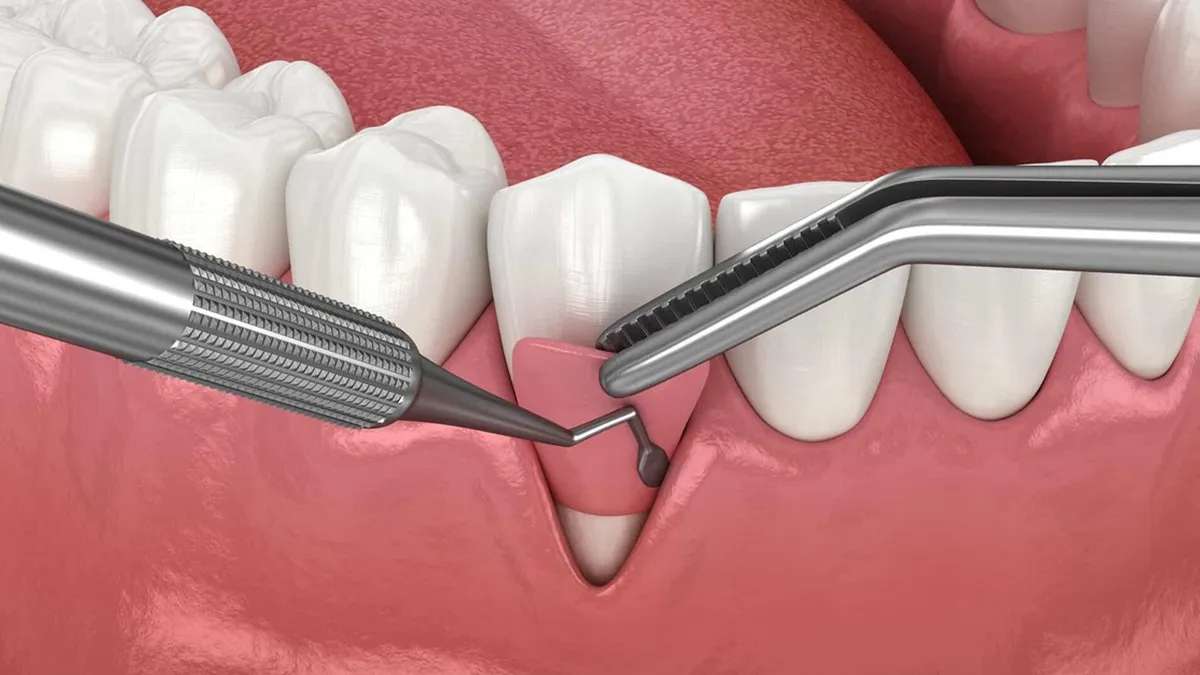
The research team, which was led by Dr. Sara Simorgh, successfully designed and produced a gelatin-based hemostatic sponge that provides three key functions simultaneously: stopping bleeding, preventing bacterial growth, and stimulating bone regeneration. This product, using silver nanoparticles, has effective antibacterial properties and can prevent postoperative infections. Osteogenic nanoparticles also accelerate the process of repairing damaged tissue by stimulating bone regeneration.
Using silver nanoparticles and bone-forming nanoparticles, this product not only accelerates the recovery process of patients, but also minimizes the risk of postoperative complications. The lightweight, flexible, and biocompatible design of the sponge ensures comfortable and safe use for doctors and patients. This innovative solution is a cost-effective and comprehensive alternative to common hemostatic products and can significantly contribute to improving the quality of medical services and patient satisfaction.
The gelatin matrix of the sponge, in addition to being biocompatible, is designed to be lightweight and flexible to provide easy use for dentists and not cause additional pressure or discomfort for patients. The produced sponge is biodegradable and does not require re-removal after surgery, which provides greater comfort and reassurance for doctors and patients.
Another important advantage of this product is the integration of hemostatic, antibacterial and osteogenic functions in a single solution. This feature distinguishes the gelatin sponge from existing products on the market and reduces the total cost compared to multi-product solutions. The users of this product include dentists, oral surgeons, periodontists and specialized dental centers who are looking to increase the effectiveness of treatment and reduce postoperative complications.
The gelatin sponge can be placed in dental cavities of various shapes and sizes and quickly control bleeding. At the same time, its osteogenic properties stimulate the regeneration of damaged tissue and shorten the healing process. The antibacterial properties of silver nanoparticles also inhibit the growth of pathogenic microorganisms and prevent infection.
In a relevant development in 2024, Iranian researchers at a knowledge-based company had also managed to bolster the strength and stability of dental crowns by using modified nanoparticles and new technologies.
“Fiber dental posts, under the brand name of AtraPost, which will soon be presented to the market, have been made as a result of a combination of advanced technologies in the production of polymer and dental materials,” said Mohammad Atayee, the managing director of the knowledge-based company.
Noting that the product consists of a polymer matrix made of epoxy and glass reinforcing fibers, he said, “In this innovative design, the glass fibers are stretched longitudinally by pultrusion, which provides high strength and durability of the posts.”
“To improve the radiographic performance, AtraPost is equipped with a thin stainless steel rod that facilitates its detection and observation in radiographic images,” Atayee said.
“The use of nanomaterials in the structure of dental adhesives not only improves product performance, but also can also create a fundamental transformation in the maintenance and care of dental crowns,” he added.
4155/v