Healthcare Systems Comparison: Singapore vs UAE
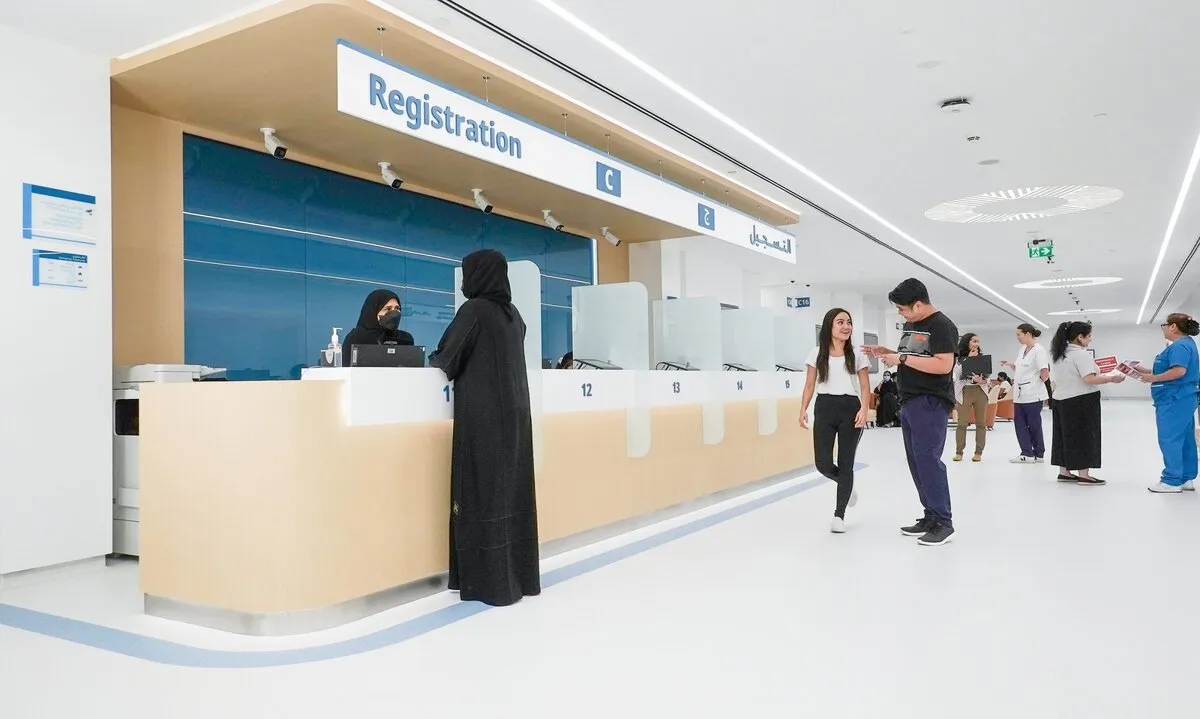
Based on a comprative report by chatgpt, both nations have successfully attracted global talent, invested massively in state-of-the-art infrastructure, and emerged as critical hubs for medical tourism. However, beneath this surface similarity in quality lies a fundamental divergence in philosophy, financing, and governance. Singapore favors a highly structured, heavily regulated system promoting subsidized universal access through mandated personal savings, whereas the UAE leans toward a decentralized, market-driven model anchored by mandatory private employment-based insurance schemes.
Section 1: Key Commonalities
Despite their geographical and cultural differences, the healthcare systems of Singapore and the UAE share several critical attributes that position them as global leaders in advanced medical services.
1. High Quality and Modern Infrastructure
Both Singapore and the UAE have prioritized the development of world-class medical infrastructure, ensuring that facilities meet the highest international standards.
1.1. State-of-the-Art Facilities and Technology
Singapore: Known for integrated healthcare campuses, such as those managed by SingHealth and Parkway Pantai, which frequently utilize cutting-edge robotic surgery, advanced imaging technology, and genomics research. The infrastructure is heavily focused on efficiency and integration between primary, secondary, and tertiary care.
UAE (Dubai & Abu Dhabi): Significant investment has been channeled into establishing flagship hospitals affiliated with major international chains (e.g., Cleveland Clinic Abu Dhabi, Johns Hopkins Medicine International branches). These institutions are designed from inception to incorporate the latest medical hardware and digital health solutions, including advanced AI diagnostics and electronic health records (EHRs).
1.2. Recruitment of Skilled Professionals
Both nations actively recruit international medical talent to supplement local expertise. This strategy ensures a deep pool of specialists capable of handling complex procedures.
Standardization of Credentialing: Both countries maintain rigorous licensing and credentialing boards (e.g., Singapore Medical Council, DHA/DoH in the UAE) to ensure that internationally trained doctors meet local standards, although the balance between local and expatriate staff composition differs significantly.
2. Strong Private Sector Participation
The private sector is a crucial engine for healthcare delivery in both jurisdictions, particularly concerning elective procedures, specialized care, and premium services.
Singapore: While the government heavily subsidizes public healthcare, the private sector (e.g., private hospitals and clinics) offers parallel services often preferred by higher-income residents or medical tourists seeking shorter wait times and luxury amenities. The Ministry of Health (MOH) effectively regulates this sector to maintain quality standards.
UAE: The private sector dominates care for the vast expatriate population. Employers often contract directly with private insurance providers, making private hospitals the primary point of care for a majority of the working population. Government entities sometimes partner with private providers to expand service capacity.
3. Medical Tourism Hubs
Both countries have successfully branded themselves internationally as destinations of choice for high-quality, specialized medical treatment, attracting patients from surrounding regions and beyond.
Singapore's Appeal: Focuses on complex specialties, clinical excellence, and highly regulated safety standards. It often targets patients from Southeast Asia and Oceania seeking second opinions or advanced treatments unavailable locally.
UAE's Appeal: Leverages its geographic position between East and West, offering internationally branded, luxury healthcare experiences, particularly in Dubai and Abu Dhabi. It serves as the primary medical gateway for patients from the GCC, North Africa, and South Asia.
Section 2: Key Differences in Structure and Financing
The divergence between the Singaporean and UAE models becomes most apparent when examining how healthcare is financed, governed, and accessed by their respective populations.
1. Financing Model
The core mechanisms for funding healthcare reveal the most significant philosophical separation between the two systems.
Singapore: The "3M Model" (Mandatory Savings and Subsidized Insurance)
Singapore operates on a philosophy of shared responsibility, demanding individual savings while providing robust safety nets.
Medisave: This is a mandatory national Medical Savings Account scheme. A portion of every working Singaporean's salary is automatically deducted into this account, which is used to pay for basic hospitalization, outpatient care, and approved medical insurance premiums. This promotes personal responsibility for routine and semi-catastrophic costs.
MediShield Life: This is a universal, mandatory basic health insurance scheme covering large hospital bills and catastrophic illnesses for all citizens and Permanent Residents (PRs), regardless of age or pre-existing conditions. Premiums are paid from Medisave or by the individual.
MediFund: This acts as a government-funded social safety net, a means-tested fund of last resort for Singaporeans who cannot afford their medical bills even after utilizing Medisave and MediShield Life subsidies.
UAE: Employer-Mandated Private Insurance
The UAE model places the primary financial burden for the expatriate workforce onto the employer, mediated through private insurance contracts.
Mandatory Insurance Schemes: UAE has progressive mandates. Dubai implemented mandatory health insurance for all residents, requiring employers to provide coverage. Abu Dhabi has similar, structured requirements. These mandates ensure that providers are paid, but the level of coverage is determined by the specific insurance tier procured.
Expatriate Dependency: For the majority non-national population, access to quality care is inextricably linked to employment status and the generosity of the insurance package provided by the sponsoring company.
Citizen Coverage: Emirati citizens typically receive comprehensive, fully subsidized healthcare services provided through government-run facilities, though private options are also available and utilized.
2. Government Role and Regulation
The level of direct governmental intervention in service delivery and pricing varies dramatically.
Government Role:
Singapore: Regular and Cost Controler. The government owns and manages a significant portion of the acute and primary care facilities (Public Healthcare Institutions). It centrally sets prices and subsidy rates for these facilities to control overall national spending and ensure equitable access.
UAE: Overseer and Provider for Citizens: The government primarily acts as the regulator of the private market and the direct provider of services for Emirati nationals. The sheer volume of expatriates shifts operational reliance to the private sector.Market ControlHigh control over prices (especially in the public sector) and capital expenditure planning for new medical facilities.Moderate regulatory oversight over licensing and quality; less direct control over the pricing within the highly competitive private insurance marketplace.
3. Universal Coverage
The definition and scope of universal coverage are fundamental differentiators.
Singapore: Near-Universal Baseline Access: MediShield Life ensures that every citizen and PR has access to a basic level of necessary, subsidized hospital care. While utilization of subsidies varies, the guarantee of coverage exists irrespective of employment or ability to pay upfront (thanks to MediFund).
UAE: Conditional Coverage: Coverage is dictated by the mechanism through which one resides and works in the country. If an expatriate loses their job, access to their previous quality of care terminates until they secure a new employer, highlighting the conditional nature of coverage for the large non-citizen population.
4. Out-of-Pocket Costs
The mechanism of cost sharing is structurally different, impacting affordability predictability.
Singapore: Subsidized and Controlled Costs: Patients utilize their personal Medisave savings first, reducing immediate cash outlay. For public sector services, high government subsidies (which can reach 80% or more depending on income) buffer the final bill. OOP costs are predictable and capped by subsidy tiers.
UAE: Variable and Insurance-Dependent Costs: OOP costs are highly variable. An expatriate on a high-tier insurance plan may face minimal copayments or deductibles. Conversely, an individual on a basic or mandated minimum plan may encounter significant costs for specialist visits, advanced diagnostics, or out-of-network care, necessitating higher personal savings or supplemental insurance.
Section 3: Implications for Healthcare Quality and Efficiency
Both systems achieve high quality, but their paths to efficiency diverge based on their structural underpinnings.
3.1. Cost Efficiency and Public Budget Impact
Cost Control
Singapore: Achieved through centralized planning, rate-setting, and leveraging patient co-payment via Medisave to discourage overuse of services.
UAE (expatriate focus)
Driven by competition among private insurers and providers, though this can sometimes lead to higher administrative overheads associated with managing numerous plans.
Financial Sustainability:
Singapore: Long-term sustainability is secured through mandatory personal savings mechanisms, ensuring costs are partially pre-funded by the users themselves.
UAE: Sustainability relies on the continued economic solvency of employers and the robustness of the private insurance market to absorb risks associated with a young, transient workforce.
3.2. Patient Choice and Wait Times
In both nations, patients seeking immediate, specialized care often opt for the private sector, which generally offers faster access.
Singapore: Choice often involves selecting between public (subsidized, potentially longer waits for non-urgent elective procedures) and private (higher cost, immediate access).
UAE: Choice is highly constrained by the insurance network specified in the employment contract. Choice of hospital or specialist is often limited to those contracted within the provided insurance tier.
Conclusion: Divergent Paths to Excellence
Singapore and the UAE represent fascinating case studies in modern healthcare development. They share the goal of providing world-class clinical outcomes, achieved through massive investment in infrastructure and talent acquisition.
However, their organizational philosophies stand in sharp contrast:
Singapore champions a system geared toward subsidized universal access through mandatory personal savings (Medisave) and strict government cost regulation (MediShield Life/MediFund). This framework prioritizes equity and affordability across the entire resident population, making it a highly integrated and centrally managed model.
In contrast, the UAE largely operates on a market-driven mandatory private insurance model, where the quality and comprehensiveness of care are often tied directly to employment status and insurance tier. This structure maximizes private sector dynamism but necessitates robust regulation to prevent a two-tiered system for citizens versus expatriates.
Ultimately, while a tourist or high-net-worth individual might receive comparable five-star service in a specialty clinic in either location, the underlying structures defining baseline care and financial protection for the majority of residents are fundamentally different.
4155


















