Modern Agriculture Destroying Soil beneath Our Feet
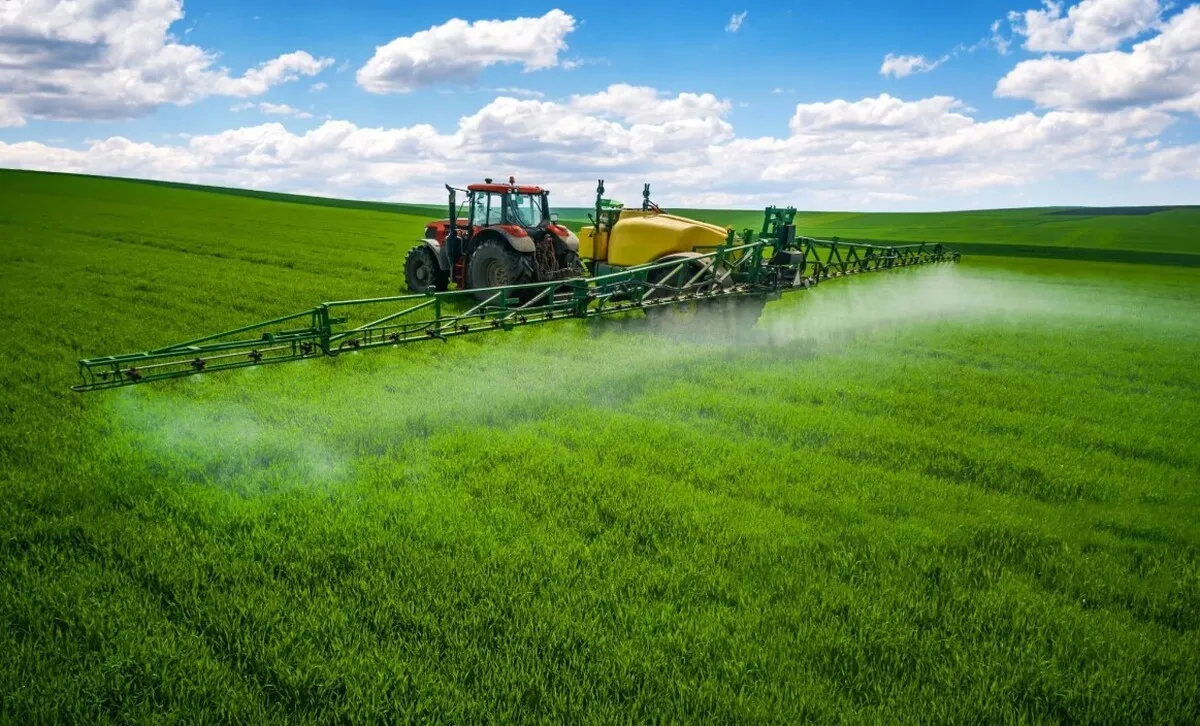
New research warns that modern agricultural methods are placing the global food supply at increasing risk by weakening the natural resilience of the world’s soils.
Soil resilience refers to the capacity of soil to resist, adapt to, and recover from disturbances—whether from routine farming activities or more extreme pressures such as droughts, floods, or other environmental shocks. A comprehensive review of current agricultural techniques found that while intensive practices like plowing, fertilizer application, and irrigation can raise yields in the short term, their continued and widespread use often degrades soil quality. As a result, soils become less capable of coping with stress caused by environmental or political disruptions, the journal NPJ Sustainable Agriculture reported.
Since soils support around 95% of global food production and store more carbon than all the world’s forests combined, their decline poses a major environmental concern. Repeated disturbance removes organic matter, compacts the ground, and disrupts the organisms that sustain soil ecosystems. Over time, these changes weaken the soil’s ability to recover, leading to worsening erosion, salinization, pest infestations, and falling crop productivity.
According to the study, the most severe danger to soil resilience is erosion driven by over-plowing, overgrazing, and deforestation. This process can strip away fertile layers that take centuries to develop. Other significant threats include the build-up of salts in irrigated soils (salinization), pollution from pesticides and plastic residues, and soil compaction caused by intensive livestock operations.
Rothamsted’s Dr Alison Carswell, lead author of the study, said: “Healthy, resilient soils are not just the foundation of food security, they are central to biodiversity and climate stability. Yet many of the practices we rely on to increase yields today risk undermining that foundation in the future.”
The review notes that some practices, such as flooding rice paddies or liming acidic soils, can maintain soil resilience over the long term. And alternatives – from conservation tillage to integrated pest management – can slow or even reverse damage. But most solutions carry trade-offs, requiring careful balancing of short-term productivity with long-term resilience.
The authors warn that ignoring soil resilience could leave farming systems increasingly vulnerable to tipping points, where the sudden collapse of productivity becomes irreversible. Such failures, they argue, could ripple through food and trade networks, threatening global stability.
The findings come amid growing concern that the world is losing healthy soil faster than it can be replenished, with the UN estimating that a third of soils are already degraded. As demand for food rises, especially in sub-Saharan Africa, South America, and Southeast Asia, the risks may intensify.
“Breaking the cycle of soil degradation is possible,” Dr Carswell concludes, “but it requires rethinking how we manage land – not just for yields next season, but for resilience in the decades to come.”
4155/v