Iranian Scientists Use Rice Paddy to Remove Poison Diazinon from Agricultural Wastewater
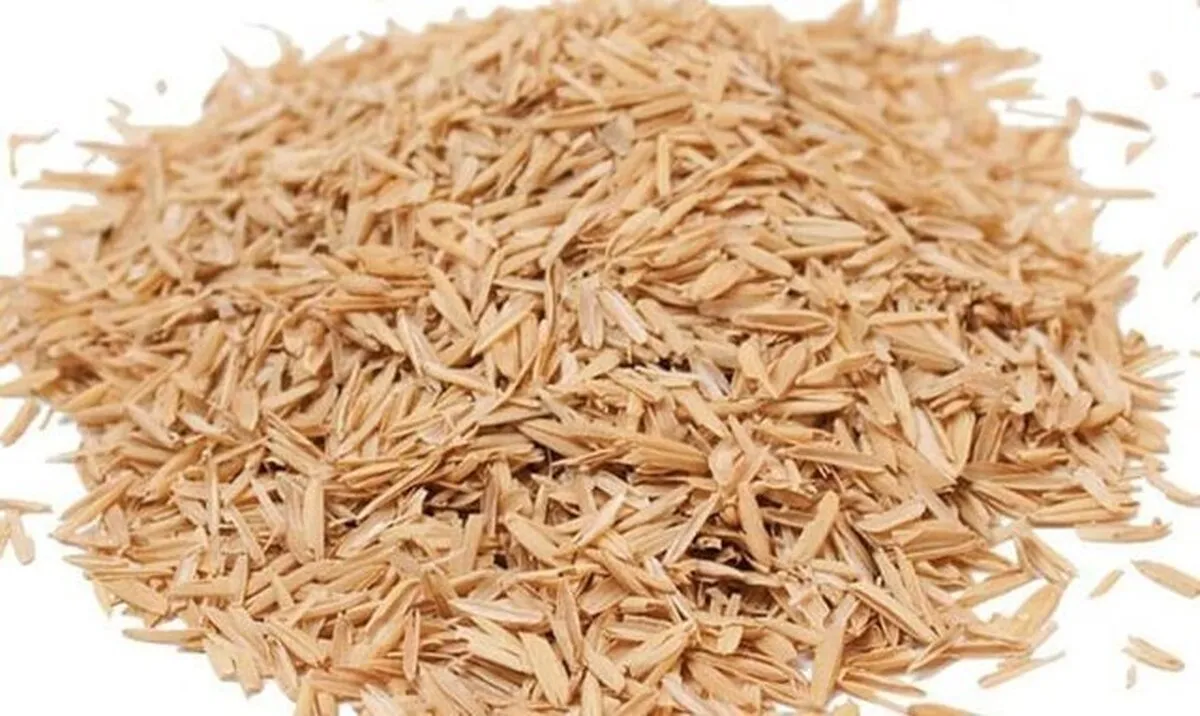
“Diazinon is an organophosphorus pesticide that is widely used in agriculture, which the World Health Organization has classified as a relatively dangerous chemical for aquatic animals, mammals, and humans. Therefore, removing or purifying this pesticide from water sources and agricultural and pharmaceutical wastewater is essential,” said Abdol Iman Amouyee, a faculty member of Babol University of Medical Sciences.
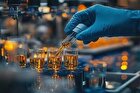
“In this research project, we converted rice paddy into powder and an absorbent or activated carbon in the laboratory at a temperature of 800 degrees through a process and passed the diazinon present in the contaminated water through it, which resulted in the removal of the diazinon poison,” he added.
“The absorbents produced from rice paddy removed 90 percent of the amount of diazinon in the contaminated samples with the help of ultrasound and ultraviolet waves,” Amouyee said.
The principal toxic effect of diazinon in humans and laboratory animals is inhibition of acetylcholinesterase (AChE), which results in the accumulation of acetylcholine at acetylcholine receptors leading to cholinergic responses in the peripheral (muscarinic and nicotinic) and central nervous system and neuromuscular junctions.
There are no reports of deaths in humans or animals exposed by inhalation to diazinon alone. One case report described the death and autopsy results of a 51-year-old man who had been exposed to an insecticide mixture that contained diazinon and malathion, another anticholinesterase insecticide that is more acutely potent than diazinon.
4155/v