Iran-Made Ultra-Hard Coatings Increase Production Efficiency of Industrial Parts by 7-Fold
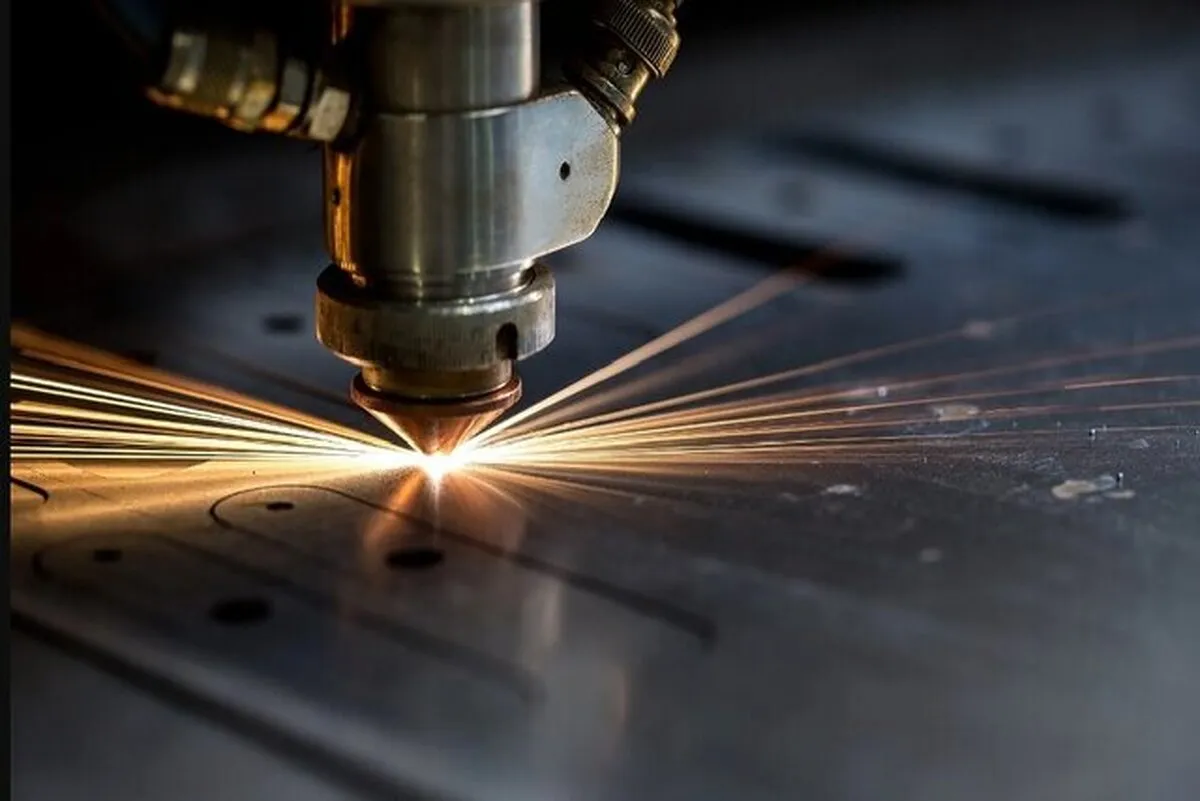
By creating nanostructured coatings on industrial parts, the technology significantly increases the lifespan and performance efficiency of tools and parts in the oil and gas, power plant, aerospace, medical, and automotive industries.
One of these methods is the creation of nanostructured coatings using the physical vapor deposition (PVD) method on the surface of parts, the development of which was put on the agenda of one of the Iranian knowledge-based companies and they designed and manufactured a device for depositing ultra-hard coatings using PVD.
In this method, the part is placed inside a vacuum chamber, and after creating a vacuum to very low pressures, certain metals such as titanium, chromium, zirconium, etc. are evaporated and ionized. In fact, a metal-active plasma is created in the chamber and, as different gases enter the chamber, the combination of gas and metal causes the formation of ceramic nanoparticles that deposit the main composition of the coating on the surface of the parts.
The result of this process is a dense and ultra-hard coating with a thickness of several nanometers to several micrometers, which, depending on the conditions of use of the coating, its combined compositions are applied to the part. The most important applications of these coatings include various tools, molds and industrial parts like the parts needed in the oil and gas, power plant, aerospace, medical and automotive industries.
Among the technical and specialized features of this product, which is also considered a competitive aspect, is the coating application software and innovations used in the device modules, which enable the implementation of different coatings in the form of a single device. This device also enjoys the capability to simultaneously implement coatings of nanolayers and nanocomposites. It can perform various coatings both automatically and manually, which makes it unrivaled in the domestic market.
This proccess increases production efficiency by 6 to 7 times and increases part life by 4 to 5 times; an increase that can vary between 2 and 50 times for different parts.
4155/v