New Study Shows Key Role of Fog Precipitation in Continued Life of Hyrcanian Forests in Northern Iran
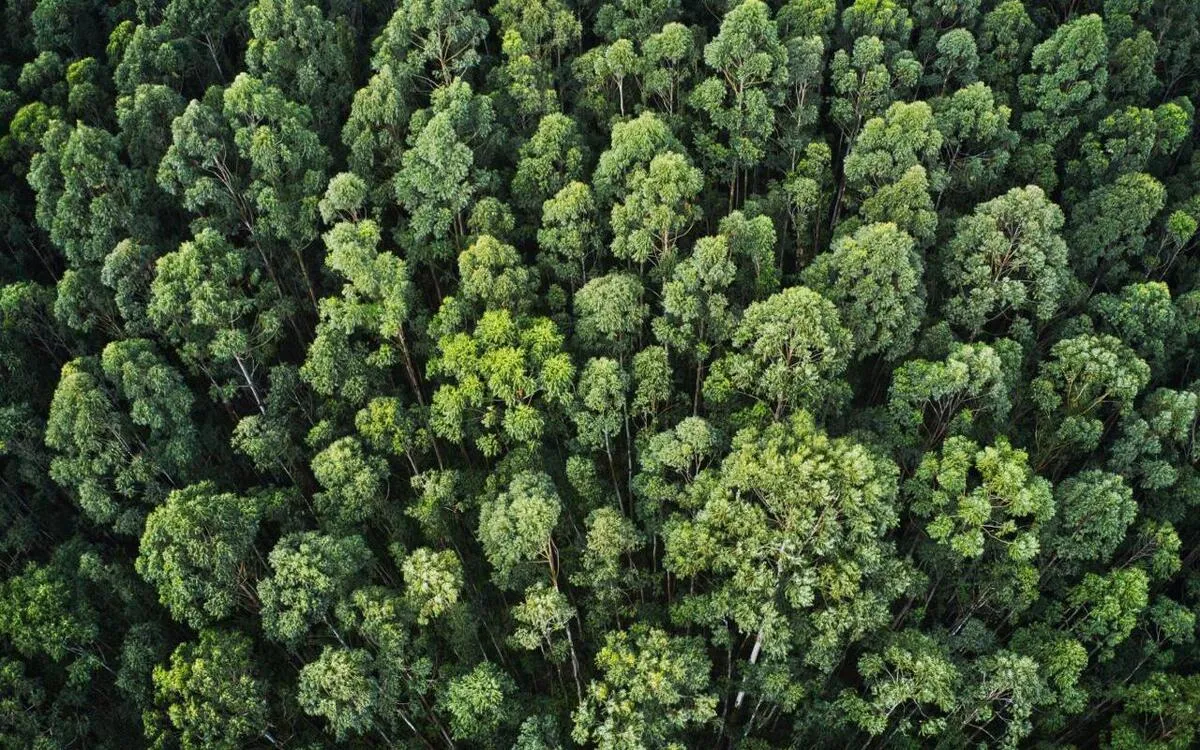
A group of researchers from the University of Tehran, in an international research collaboration, studied the ecohydrological results of this phenomenon by studying fog precipitation in the forests of Northern Iran.
The results of the study, which was conducted in collaboration with researchers from Iran, China, Germany, Canada, and the US, indicate that the phenomenon of fog precipitation as a hidden source of water can lead to an increase in water entering the forests and strengthening the resilience of ecosystems against water crises.
“The forests of Northern Iran, known as the Hyrcanian forests, are between 25 and 50 million years old. These forests are among the most valuable biological reserves registered on the UNESCO World Heritage List. The beech species (Fagus orientalis), with a share of approximately 30% of the standing volume, 23.6% of the number of trunks and 17% of the area of the forests of Northern Iran, is the dominant and key species of this ecosystem,” said Pedram Atarod, a member of the faculty of the University of Tehran and the head of this international research group.
“Beech is specifically adapted to the cool, humid and foggy conditions of altitudes of 700 to 2200 meters in northern Iran; that is, in areas where the occurrence of fog is significant and as a result of this process, it provides part of the moisture needed by these ecosystems,” he added.
“In this cycle, fog particles are trapped by the foliage of beech trees and are transferred to the soil through the canopy in the form of raindrops, thus significantly increasing the water input to the forests,” Atarod said.
The Hyrcanian Forests form a unique forested massif that stretches along the Caspian Sea in Azerbaijan and Iran. The history of these broad-leaved forests dates back 25 to 50 million years, when they covered most of this Northern Temperate region. Their floristic biodiversity is remarkable with over 3,200 vascular plant species documented.
To date, 180 species of birds typical of broad-leaved temperate forests and 58 mammal species have been recorded. Elements of the property comprise full ecosystems including top predators such as leopard, wolf and brown bear, and the forest has a high degree of rare and endemic tree species. The oldest trees seen here are 300-400 years old, with some possibly up to 500 years old.
4155/v