Iranian Firms Producing Advanced Material Testing Equipment
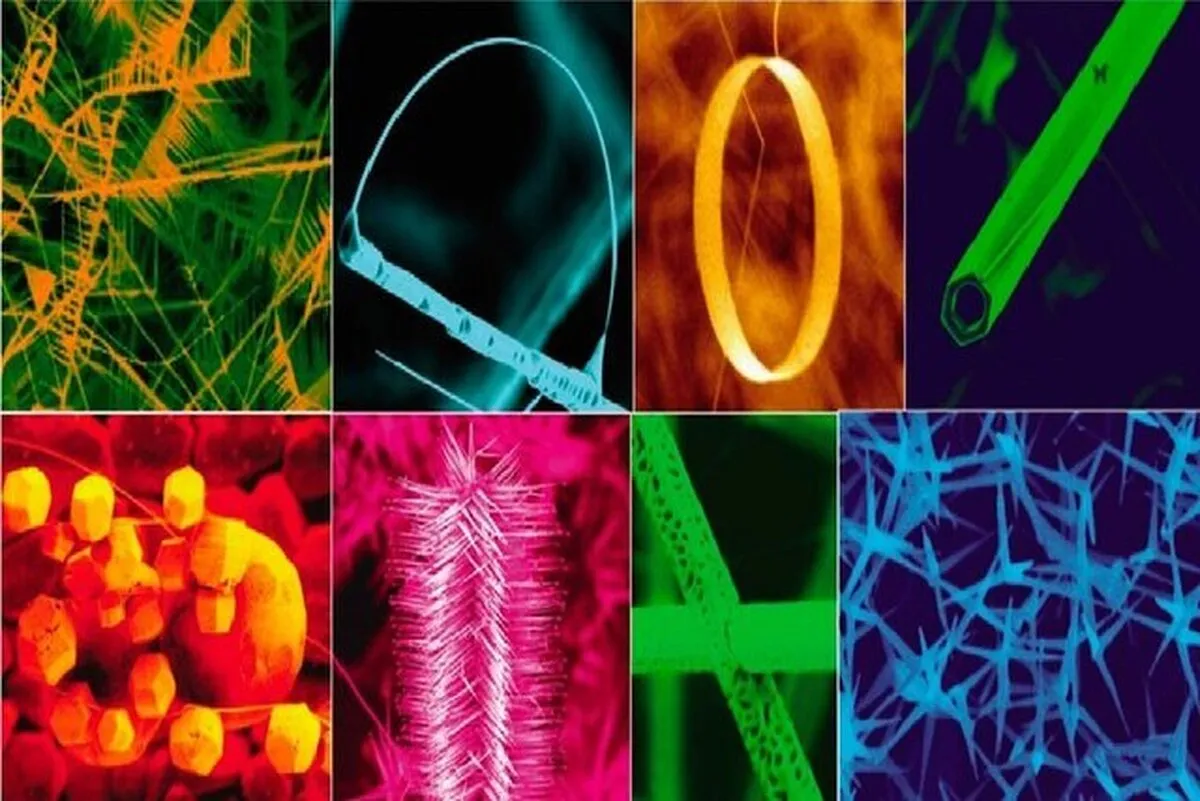
Microscopes: Scanning electron microscope (SEM) and transmission electron microscope (TEM) are the advanced equipment developed by the Iranian companies and are used to observe nanometer and atomic structures. Also atomic force microscope (AFM) is used for surface analysis with nanometer precision.
Equipment for spectroscopy and chemical analysis: Includes X-ray diffraction spectroscopy (XRD) to determine the crystal structure of materials, X-ray photoelectron spectroscopy (XPS) to analyze the surface chemical composition, and mass spectrometry (MS) and gas chromatography/mass (GC/MS) to identify chemical compounds.
Equipment for mechanical and thermal tests: Includes hardness testing, tensile testing, and bending testing to examine mechanical properties, and thermal analysis to determine the behavior of materials against temperature changes.
Equipment for surface and nanostructure analysis: Includes equipment such as optical and mechanical profilometers for measuring surface roughness and topography and dynamic light scattering (DLS) analysis for determining the size of nano particles.
Electrical and electromagnetic equipment: including impedance analyzers and vector network analyzers for examining the electrical and magnetic properties of materials.
Differential scanning calorimetry (DSC): The differential scanning calorimetry (DSC) test is a fundamental tool in thermal analysis and is used in many industries such as pharmaceuticals, polymers, agriculture, semiconductor studies, and food industries. The heat capacity coefficient, heat transfer, kinetic energy data, material purity, phase change, and changes in the crystalline structure of materials can be determined using the DSC method.
Membrane gas separation device and calculation of the membrane surface pore size distribution: In these devices, it is usually possible to mix gases with MFCs. First, the desired membrane is placed in the device, then a certain percentage of gases is mixed and directed towards the membrane at a certain flow rate and pressure. It is clear that part of the gas mixture passes through the membrane and part does not.
Specific surface area measurement device and surface programmed analysis: One of the most important and well-known methods in the evaluation of porous materials is the use of the nitrogen gas adsorption and desorption method, which is used to estimate the average pore size using the Teller-Emmett-Brunauer theory, known as BET.
Integrated device for measuring the sensing and catalytic performance of materials: In an integrated device for measuring the sensing performance for evaluation, the sensor is first placed in a holding chamber and the chamber is connected to the device.
Magnetometer device: In AGFM magnetometer systems, a magnetic field gradient is used to create and apply an alternating force to the sample, and the alternating force will cause the sample and its base to vibrate at the frequency of the applied magnetic field.
Contact angle and surface tension measuring device: The angle formed between the tangent line drawn from the three-phase contact point and the liquid-surface contact line is called the contact angle. This angle provides a measure of the wettability of the surface. A contact angle measuring device includes an illumination and imaging system to store the image of the drop profile on the solid surface.
4155/v