Iran Joins Producers of Advanced Electrochemical Supercapacitor
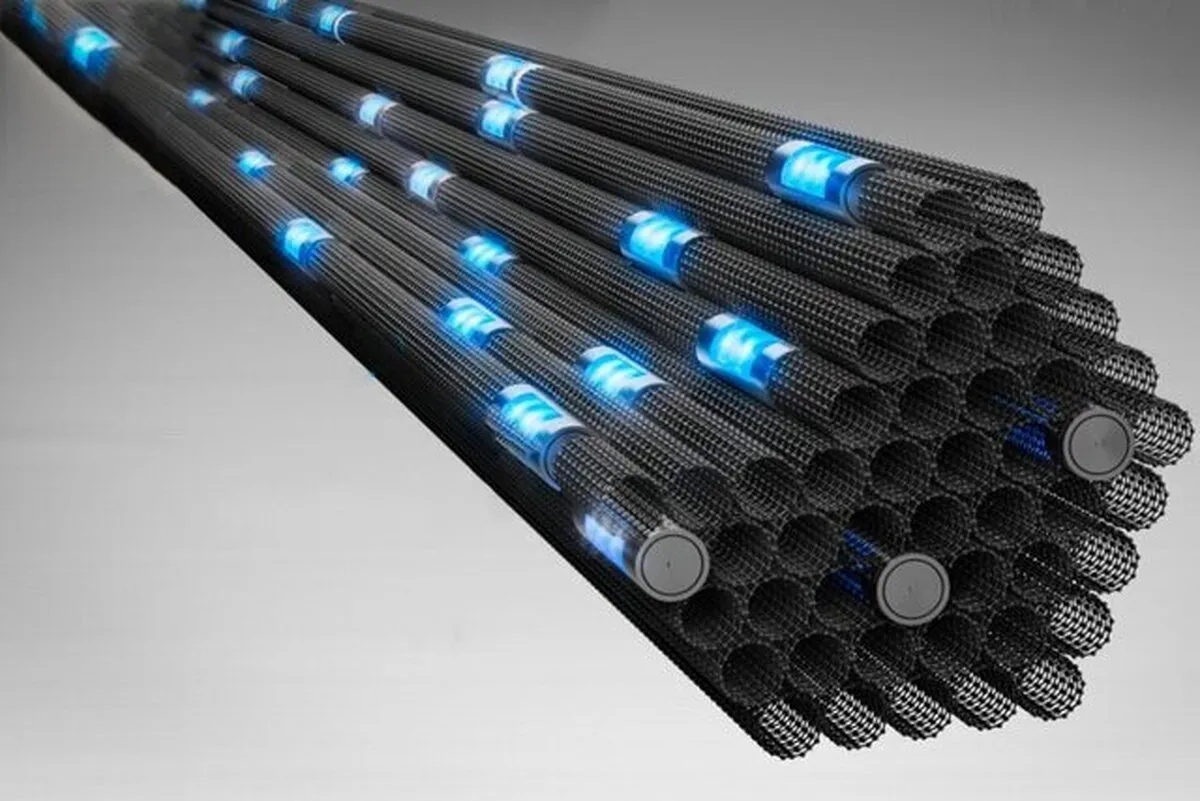
“Iran has succeeded in achieving this technology as the fifth country in the world,” said Nourali Mohammadi, the director of the Research Group of the Chemical Industries Development Research Institute of the Academic Center for Education, Culture and Research of Iran.
“In the past, the technical know-how of manufacturing industrial supercapacitors was exclusive to the four countries of Canada, South Korea, China, and the US, and we were able to complete a laboratory sample of this product with a quality similar to highly advanced foreign samples,” he added.
Mohammadi noted that the technology is applied in electric vehicles, elevators, and wind turbines, adding, “These supercapacitors enjoy a physical lifespan of over 10 years and a cycle life of more than one million cycles, and release energy in a much shorter period of time than conventional batteries.”
In a relevant development in May, Iranian researchers at the University of Mazandaran had also developed a nanostructured supercapacitor that offers very high specific capacitance, very low electrical resistance, appropriate energy density and power density along with good cyclic stability.
The design, modeling and construction of a high-performance nanostructured supercapacitor is a research project by Shahram Qassemi-Mir, a faculty member of the University of Mazandaran, which he completed with the support of the National Science Foundation of Iran.
“After designing the structures of the supercapacitor, their properties were evaluated by computer modeling. Subsequently, these compounds were prepared in the laboratory and subjected to structural and electrochemical studies as supercapacitor electrode materials. Finally, after optimizing various components, a laboratory supercapacitor sample was manufactured,” said Qassemi-Mir.
He explained that theoretical computer studies and practical laboratory research conducted during the implementation of this project showed that carbon nanomaterials are ideal options in the design of electrodes for supercapacitor systems due to their high surface area, significant electrical conductivity, and very high physical and chemical stability. “The supercapacitor prepared in this study offered very high specific capacitance, very low electrical resistance, appropriate energy density and power density, along with good cyclic stability. In producing the supercapacitor, we also considered low manufacturing cost, easy manufacturing method, and the use of available and preferably environmentally-friendly raw materials,” Qassemi-Mir said.
4155/v


















