Iran’s Nanobubble Technology Reduces Electricity Consumption in Treatment Plants Up to 50%
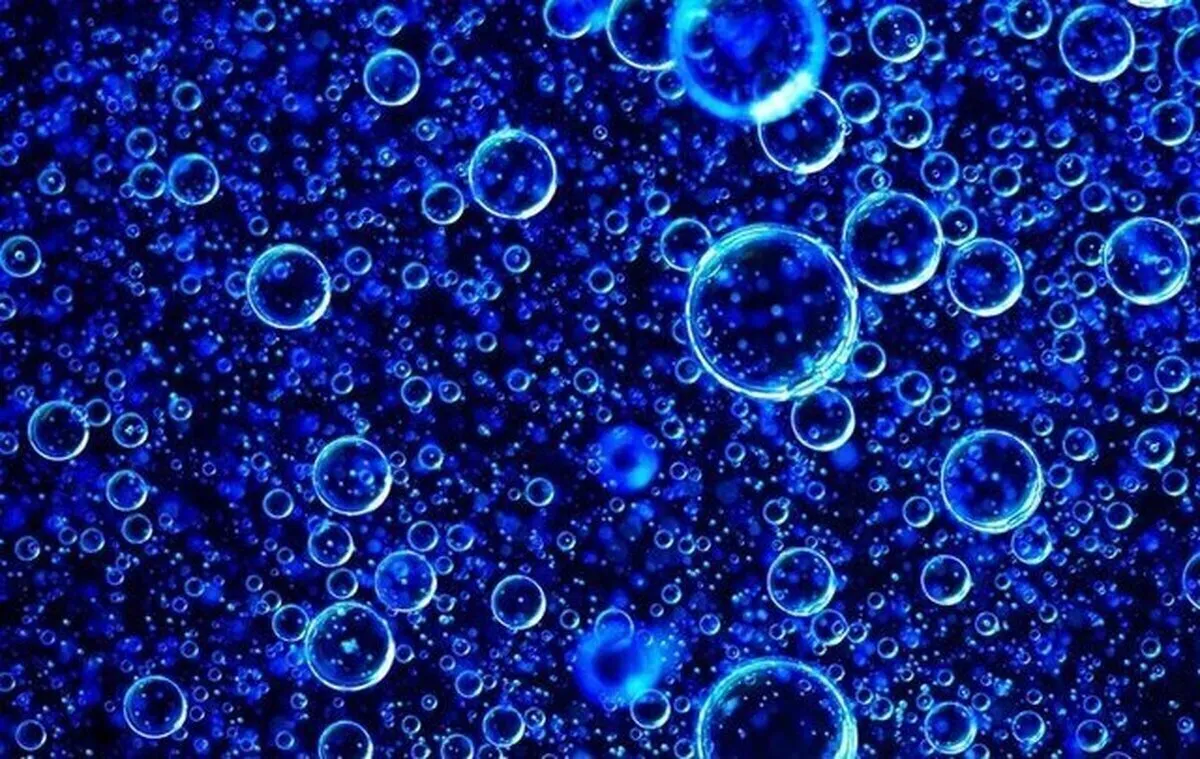
Nanobubble technology, which has been developed in the world for less than 10 years, has now been indigenized in Iran by domestic experts and is used in various sectors of the country's water and wastewater industry.
By producing ultra-fine bubbles on a nanoscale, this technology optimizes the water and wastewater treatment process and reduces electricity consumption by up to 50%. Reducing energy consumption, reducing water consumption, reducing the use of chemicals, and increasing efficiency are among its most important benefits.
According to the director of the Nanobubble Technology Development Program at the Special Headquarters for Nanotechnology Development, this technology is now being implemented in urban, industrial, and even drinking water treatment plants and plays an important role in energy efficiency in the country's water sector.
This important achievement has also been welcomed by executive agencies and large industries, and successful examples of its implementation have been reported in various cities.
Relevant reports said in June that the successful experience of a fish farmer with an Iran-made nanobubble device shows that the technology not only reduces aquatic losses but also provides the water with the oxygen it needs for up to two hours during power outages.
A nanobubble device produced by a company active in the nanotechnology field has yielded significant results in reducing aquatic losses, improving fish growth, and saving energy consumption after three months of use in a fish farm.
Kaveh Badamegan, the manager of a fish farm that has started using the technology recently, elaborated on his experience of working with the nanobubble system.
“We decided to use this technology in our farm. It has now been about three months since the installation of the nanobubble system, and during this time we have witnessed significant positive effects,” he said.
Noting that the fish mortality has significantly decreased in his farm, Badamegan stated, “The reliable performance of the device in emergency situations has also been satisfactory and in times of power outages, this device has been able to provide the required oxygen to the water for about two hours without the need to start the electric motor.”
Studies in Iran have shown that, given the potential of nanobubbles, it is possible to double the annual production of aquatic products with the help of this technology.
4155/v