Biodegradable Hydro gels Offer Promising Solution for Agricultural Water Management
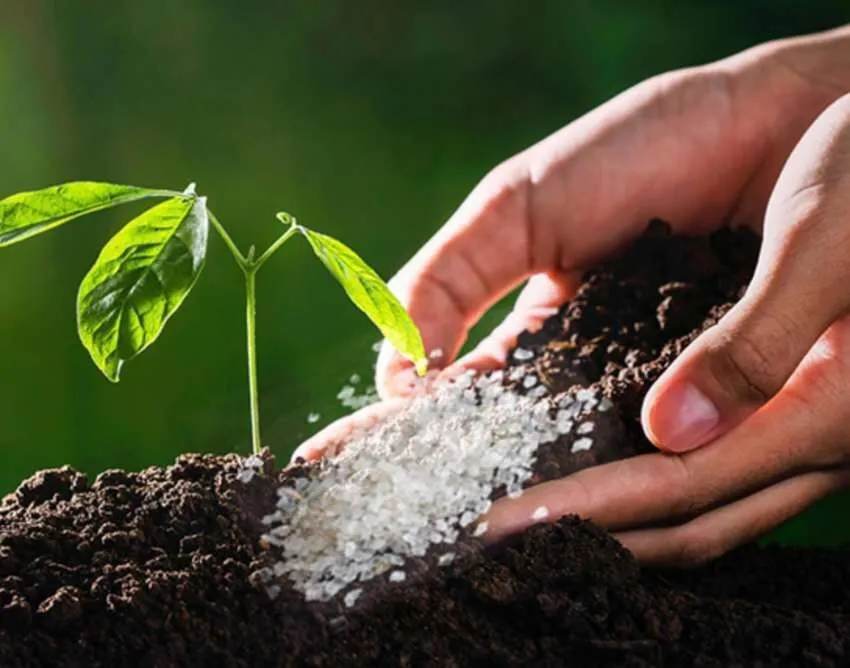
In recent studies, Reyhaneh Ebrahimpour, under the supervision of Zahid Ahmadi, successfully synthesized a biodegradable hydrogel based on acrylic acid modified with the polysaccharide carrageenan. The hydrogel is designed to absorb moisture during rainfall and gradually release it into the soil during dry periods, addressing the high water consumption and waste in the agricultural sector.
Unlike conventional superabsorbent materials, this hydrogel is fully biodegradable. The carrageenan component ensures that once its functional lifespan ends, the hydrogel decomposes harmlessly, leaving no adverse impact on the soil.
A key innovation of this research lies in the synthesis method. Traditional hydrogel production relies on prolonged heating, requiring around five hours and substantial energy input. Ebrahimpour’s team utilized microwave irradiation, reducing synthesis time to mere seconds. This approach not only saves energy and time but also eliminates environmental pollution, making it a sustainable, “green” method.
The researchers emphasized the importance of optimizing the quantities of raw materials to achieve maximum water absorption, controlled release, and efficient biodegradation.
While the primary application of this hydrogel is in agriculture—particularly to mitigate the effects of water scarcity—the technology could be adapted for biomedical engineering, tissue engineering, and smart drug delivery.
The hydrogel demonstrates a high water absorption capacity of over 180%, surpassing many existing chemical alternatives. Its combination of biodegradability, superabsorbency, and microwave-assisted synthesis represents a unique competitive advantage, as previous materials typically offered only one or two of these features.
Ebrahimpour noted that the project, currently in the patent registration and publication stage, is the culmination of two years of research and extensive testing. She highlighted its potential to transform both agricultural practices and biodegradable material industries in the country.