Scientists Succeed in First Synthetic Production of Promising Anti-Cancer Fungal Compound
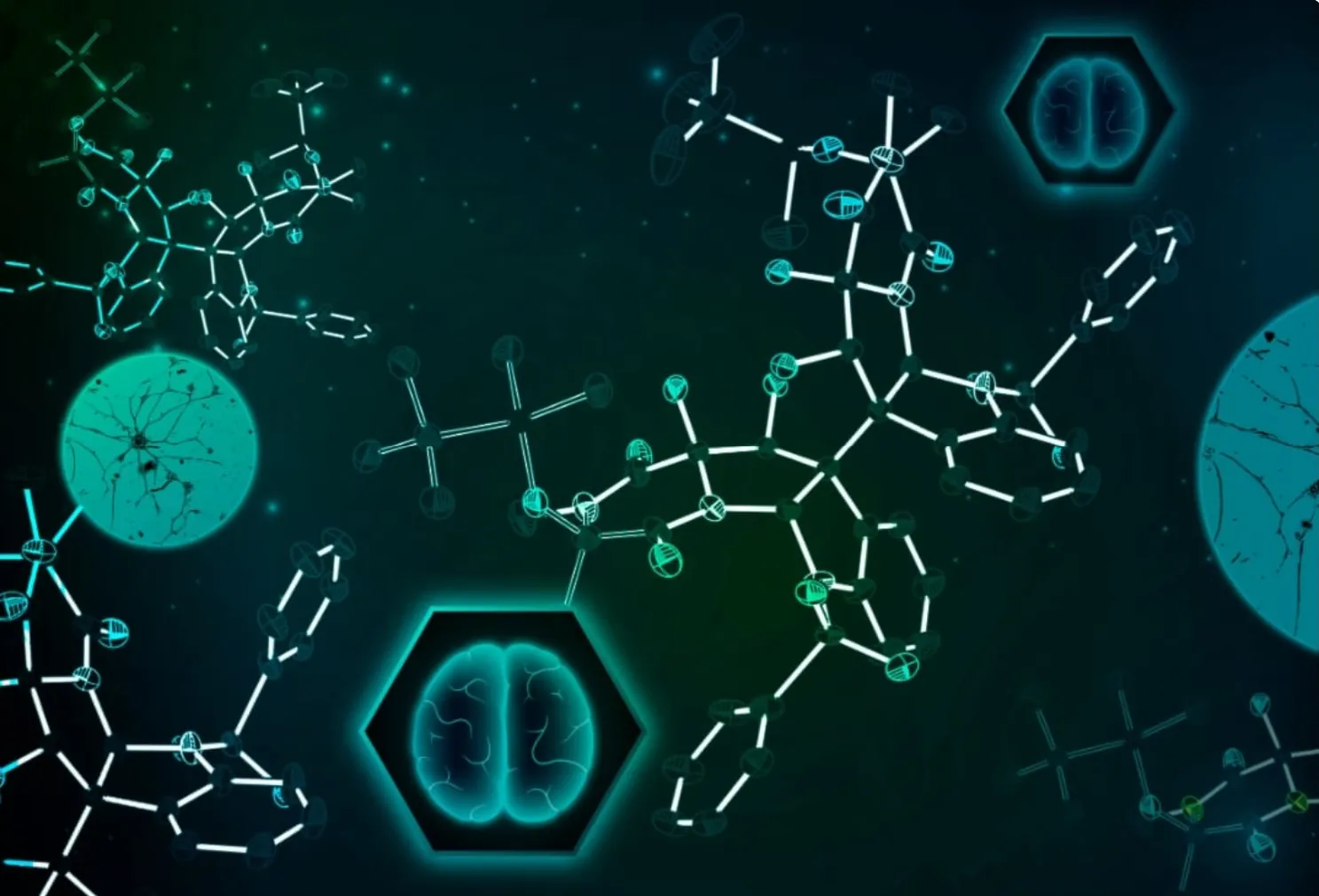
A team of scientists from MIT and Harvard Medical School has managed to produce the fungal compound “Verticilline A” synthetically, decades after its discovery in 1970. The breakthrough could pave the way for studying its anti-cancer effects and developing new treatments, according to Science Alert and a study published in the Journal of the American Chemical Society.
The achievement is significant because Verticilline A occurs naturally only in trace amounts in a rare microscopic fungus, and its chemical complexity and inherent instability have long prevented large-scale extraction or production. Overcoming these obstacles, researchers adapted an approach originally developed by chemist Mohammad Movassaghi, previously used for synthesizing similar compounds that differ from Verticilline A by just a few atoms.
“Now we have a better understanding of how subtle structural changes affect the difficulty of synthesis,” Movassaghi said. “After more than fifty years, we can finally produce these compounds and create multiple variants for detailed study.”
Verticilline A molecules consist of two identical halves fused into a dimer, requiring precise three-dimensional structural arrangement. The team employed specialized methods, including controlling the sequence of molecular additions and protecting fragile bonds during synthesis, completing a 16-step process to achieve the exact desired structure.
The researchers tested the synthetic compound and several derivatives on diffuse midline glioma (DMG) cells, an aggressive pediatric brain cancer. The molecules showed promising results in killing DMG cells and confirmed targeted action against proteins within the cells.
Biochemist John Che of Harvard Medical School noted, “Natural compounds have always been a valuable source for drug discovery. We will assess the therapeutic potential of these molecules by combining expertise in chemistry, biochemistry, cancer biology, and patient care.”