New Light-Based Therapy Kills 92% of Skin Cancer Cells without Harming Healthy Tissue
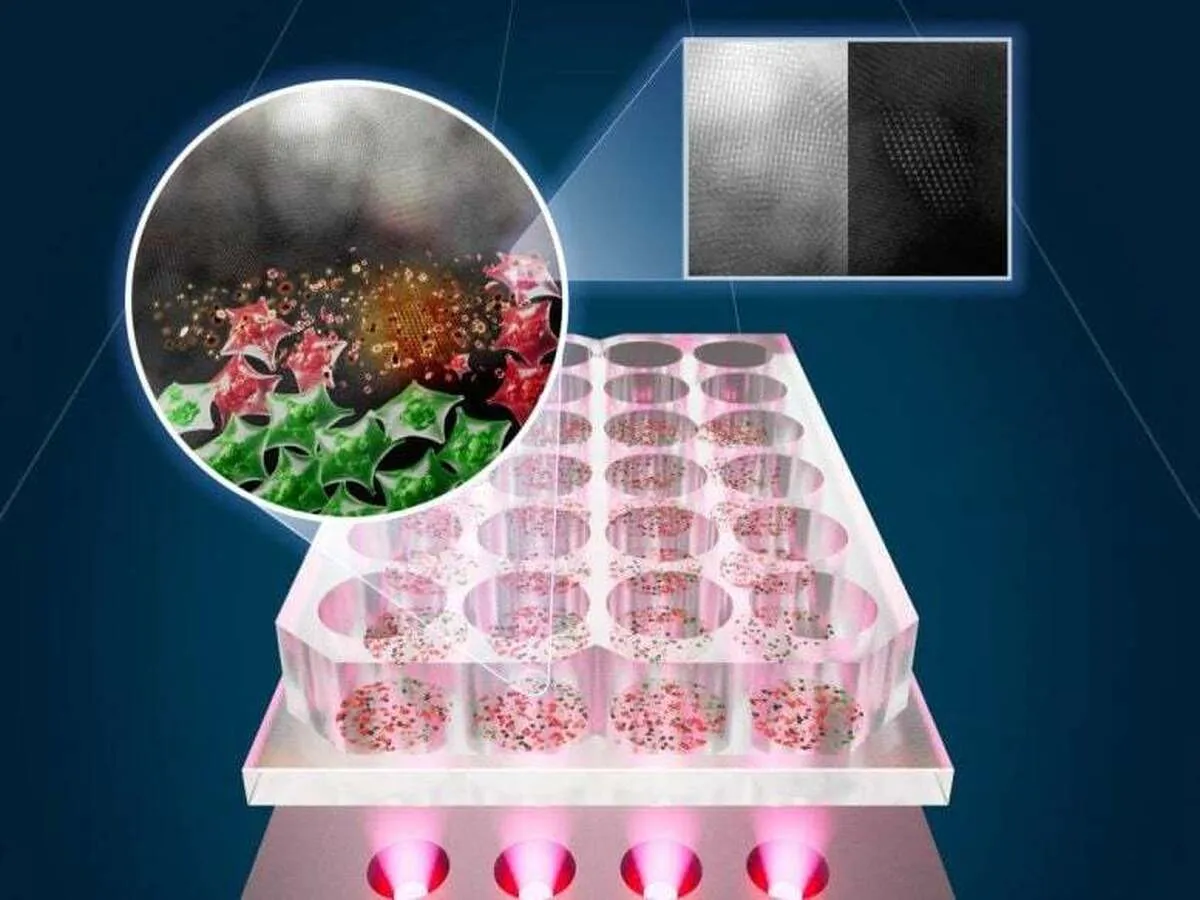
Scientists have developed a new cancer therapy that uses LED light and microscopic flakes of tin to destroy cancer cells while protecting healthy ones. The approach aims to eliminate the painful side effects often caused by chemotherapy and other traditional treatments, the journal ACS Nano reported.
This breakthrough comes from a partnership between The University of Texas at Austin and the University of Porto in Portugal, formed through the UT Austin Portugal Program. The innovation could make light-based cancer therapies more accessible by addressing key challenges such as expensive materials, the need for specialized facilities, and the potential for lasers to harm healthy tissue.
Instead of lasers, the researchers use LED light together with a cancer-targeting compound called “SnOx nanoflakes,” in which “Sn” refers to the chemical symbol for tin. This combination could pave the way for safer, more affordable, and more widely available cancer treatments.
“Our goal was to create a treatment that is not only effective but also safe and accessible,” said Jean Anne Incorvia, a professor in the Cockrell School of Engineering’s Chandra Family Department of Electrical and Computer Engineering and one of the leaders on the project. “With the combination of LED light and SnOx nanoflakes, we’ve developed a method to precisely target cancer cells while leaving healthy cells untouched.”
In a recent study, the treatment achieved remarkable effectiveness in neutralizing colorectal cancer cells and skin cancer cells. In just 30 minutes of exposure, the treatment killed up to 92% of skin cancer cells and 50% of colorectal cancer cells. It did so without harmful effects on healthy human skin cells, demonstrating the safety and selectivity of this approach.
Cancer is the second-leading cause of death around the world, and treatment for it remains challenging. Researchers worldwide are investigating alternative options, and one of the most promising is near-infrared photothermal therapy. This treatment, the backbone of the new UT-Portugal research, uses light to selectively heat cancer cells to the point where they die as an alternative to invasive surgery or harmful chemotherapy drugs.
Having proved the effectiveness of the technology, the researchers have two main goals going forward. They plan to learn more about the light and heat reaction and explore other possible catalyst materials. And they will develop devices to bring the technology to clinicians and patients.
“Our ultimate goal is to make this technology available to patients everywhere, especially places where access to specialized equipment is limited, with fewer side effects and lower cost,” said Artur Pinto, a researcher at the Faculty of Engineering of the University of Porto and lead researcher of the project in Portugal. “For skin cancers in particular, we envision that one day, treatment could move from the hospital to the patient’s home. A portable device could be placed on the skin after surgery to irradiate and destroy any remaining cancer cells, reducing the risk of recurrence.”
4155/v