Iranian Scientists Make Supercapacitors for Industries, Wind Turbines
‘Preparation, optimization and investigation of electrochemical behavior of composite electrodes based on nickel-cobalt sulfide/polyaniline/manganese oxide textile and carbon nanofibers doped with nitrogen and sulfur for use in flexible hybrid supercapacitors’ is the title of Zahra Karami’s postdoctoral project, which was carried out under the guidance of Saeed Shahrokhian Dehkordi, a full professor of chemistry at Sharif University of Technology, and with the support of the National Science Foundation of Iran.
“Among the energy storage devices, flexible all-solid supercapacitors have received special attention for reasons such as high power density and cyclic stability, fast charge-discharge rate, excellent flexibility, safety, and no leakage of electrolyte liquid for use in wearable electronic devices,” Karami said.
She explained that the main goal of her research is to improve the capacitive properties of carbon fiber felt electrodes by inducing quasi-capacitive properties using simple, fast, cost-effective methods without using a retainer, and to fabricate an all-solid supercapacitor based on this electrode with high electrochemical performance and flexibility.
“The electrodes prepared in this research were used to fabricate flexible all-solid supercapacitors with desirable electrochemical performance, especially a wide potential window and high energy density. These supercapacitors can be used as energy storage devices in portable, flexible and wearable electronic equipment such as remote monitoring of patients including wearable ECG, blood pressure, blood sugar monitors, military equipment, artificial electronic skin, flexible electronic displays, implantable medical equipment, wearable mobile phones, etc.,” Karami noted.
“Also these supercapacitors can also be used as energy storage devices in wind turbines and solar cells, renewable and clean energies,” she concluded.
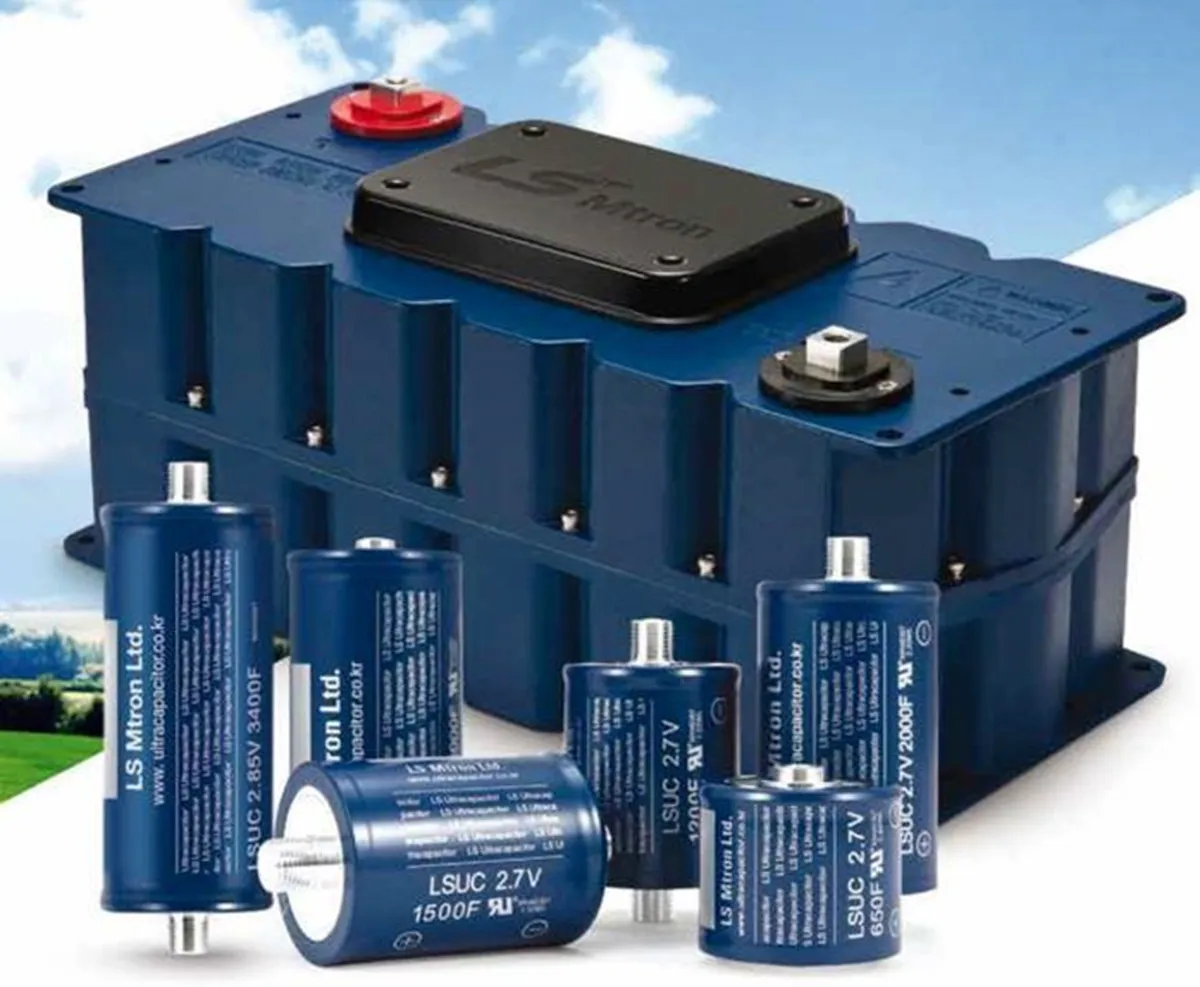
In another development in May, Iranian researchers at the University of Mazandaran had also developed a nanostructured supercapacitor that offers very high specific capacitance, very low electrical resistance, appropriate energy density and power density along with good cyclic stability.
The design, modeling and construction of a high-performance nanostructured supercapacitor is a research project by Shahram Qassemi-Mir, a faculty member of the University of Mazandaran, which he completed with the support of the National Science Foundation of Iran.
“After designing the structures of the supercapacitor, their properties were evaluated by computer modeling. Subsequently, these compounds were prepared in the laboratory and subjected to structural and electrochemical studies as supercapacitor electrode materials. Finally, after optimizing various components, a laboratory supercapacitor sample was manufactured,” said Qassemi-Mir.
He explained that theoretical computer studies and practical laboratory research conducted during the implementation of this project showed that carbon nanomaterials are ideal options in the design of electrodes for supercapacitor systems due to their high surface area, significant electrical conductivity, and very high physical and chemical stability. “The supercapacitor prepared in this study offered very high specific capacitance, very low electrical resistance, appropriate energy density and power density, along with good cyclic stability. In producing the supercapacitor, we also considered low manufacturing cost, easy manufacturing method, and the use of available and preferably environmentally-friendly raw materials,” Qassemi-Mir said.
4155/v