Iranian Scientists Find New Yeast to Produce Biofuel
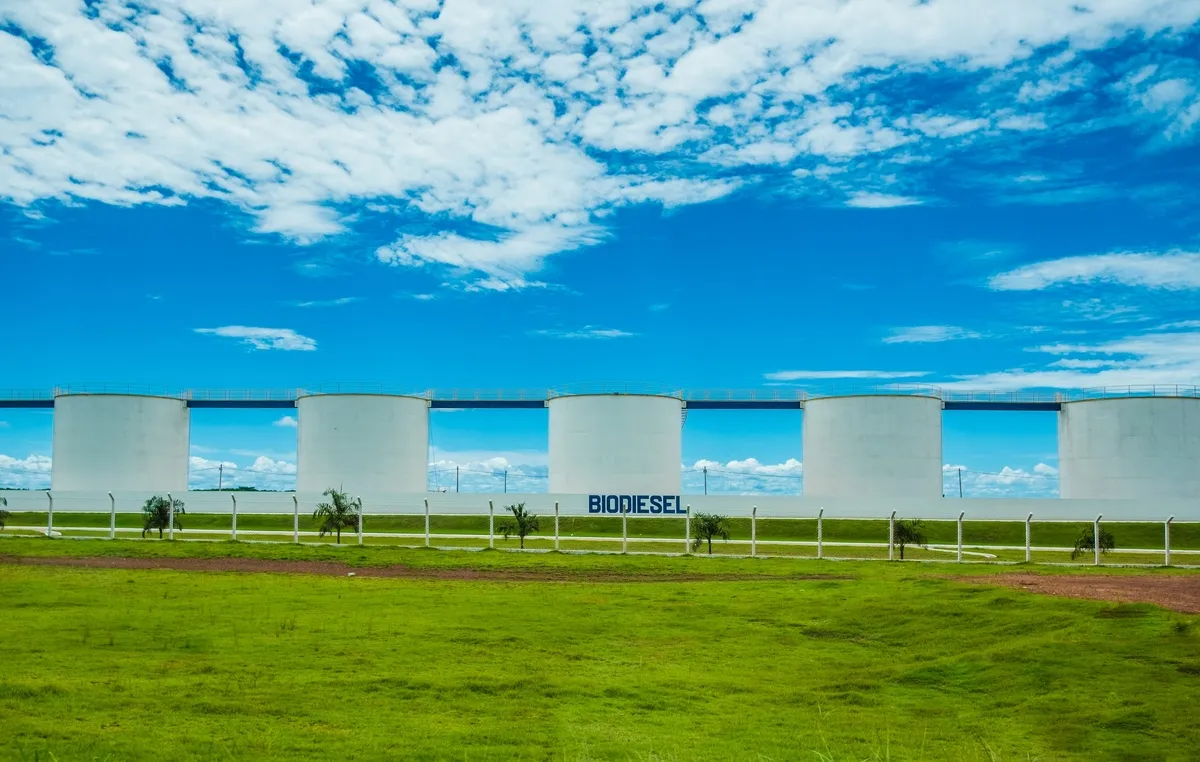
In a new study by Hamid Moqimi, a faculty member of the University of Tehran, a yeast strain called Candidozyma haemuli EBL25 was identified that has a significant ability to produce lipids for the production of biofuel (biodiesel).
Moqimi pointed out that concerns about the consumption of fossil fuels and its impact on global warming have led researchers to investigate biofuels, and said, “This yeast produced 18.68 g/liter of biomass and 3.75 g/liter of lipids in a culture medium containing glycerol, and what is more interesting is the production of 22.97% lipids when using saponified wastewater as a raw material, which makes it a promising option for the production of biodiesel.”
"Analysis of the fatty acids of the lipids produced showed an ideal composition of 45.05% oleic acid, 18.77% linoleic acid, and 8.97% palmitic acid, which is very suitable for the production of biofuel," he added.
Noting that the yeast, in addition to producing lipids, also can produce biosurfactants (natural surface tension reducers), Moqimi said, “This strain was able to create an emulsification index of 45.45% for toluene and 55% for diesel and reduce surface tension to 41 mN m⁻¹. These properties were maintained even at high temperatures and alkaline pH, indicating that this yeast can be used for the biological purification of crude oil."
Biofuels are biobased products, in solid, liquid, or gaseous forms.
They are produced from crops or natural products, such as wood, or agricultural residues, such as molasses and bagasse." Other publications reserve the term biofuel for liquid or gaseous fuels, used for transportation.
4155/v


















