Over 40% of Fatal Crash Drivers Had THC in Their Blood Far above Legal Limits
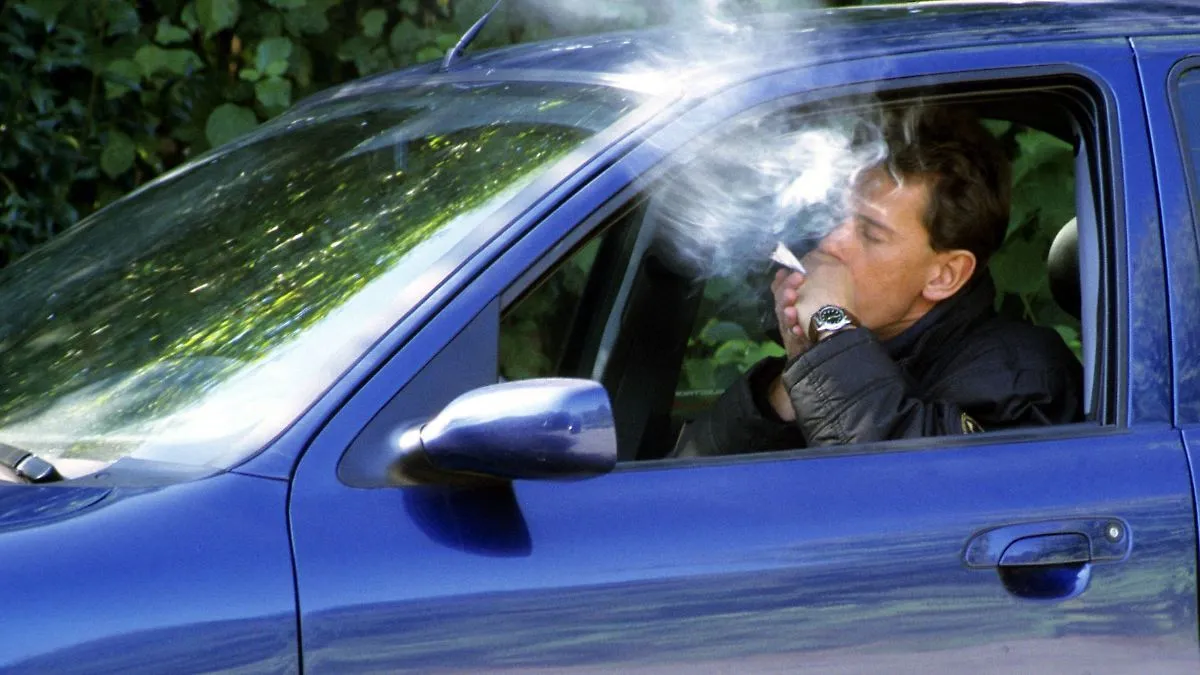
The percentage of drivers testing positive for THC stayed high and steady over a six-year period, showing no change even after recreational cannabis became legal, the SciTechDaily reported.
Researchers say public awareness campaigns must do more to highlight the serious dangers of driving after using cannabis.
A recent study found that more than 40% of drivers who died in car crashes had active delta-9-tetrahydrocannabinol (THC) in their blood, with average levels well above the threshold known to cause impairment. According to researchers, the findings point to an ongoing and serious public safety concern that has not improved since the legalization of recreational cannabis.
The study was presented at the American College of Surgeons (ACS) Clinical Congress 2025 in Chicago.
To conduct the research, scientists reviewed coroner records from Montgomery County, Ohio, covering January 2019 through September 2024. They examined data from 246 drivers who died in crashes and underwent postmortem toxicology testing for THC, which is routinely performed during autopsies. The timeline also spanned the state’s legalization of recreational marijuana in 2023.
“I was surprised to see that level,” said lead author Akpofure P. Ekeh, MBBS, FACS, a professor of surgery at Wright State University in Dayton, Ohio. “An average level of 30.7 ng/mL generally means those people must have consumed marijuana at some time close to driving. This isn’t about residual use; it’s about recent consumption.”
Key Study Findings
High Prevalence: 103 drivers (41.9%) overall tested positive for THC, with yearly rates ranging from 25.7% to 48.9%.
No Effect from Legalization: The rate of drivers who tested positive for THC did not change significantly before or after legalization (42.1% vs. 45.2%), indicating that legal status did not influence the behavior of those who chose to drive after use.
Consistent Over Time: The high rate of THC positivity showed no significant change over the six-year study period.
The study notes that blood THC levels are typically drawn by the coroner within hours of death, providing an accurate snapshot of a driver’s state at the time of the crash. Most states that have set legal limits for driving range from 2 to 5 nanograms per milliliter (ng/mL) — a threshold the average level in this study (30.7 ng/mL) far exceeded.
“The messaging over the last few years has been just the push towards recreational legalization,” Dr. Ekeh noted. “The problem is that from a public health standpoint, there has not been enough emphasis on some of the downsides and the dangers that can occur. People should treat smoking marijuana just like they treat alcohol: don’t smoke and drive.”
4155/v