Popular Hair Loss Drug Linked to Suicide
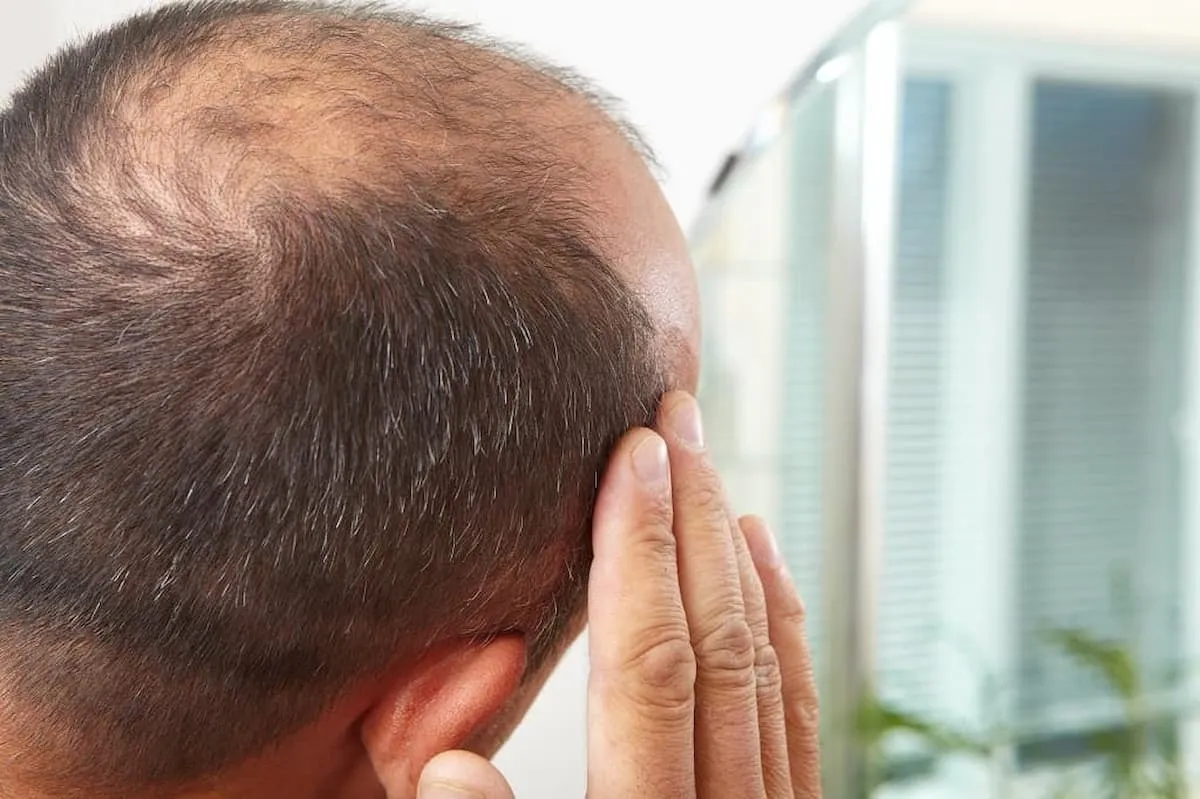
A new review by a public health researcher at the Hebrew University of Jerusalem uncovers that finasteride, a widely used medication for hair loss, has been associated with depression and suicide for more than twenty years—yet both drug regulators and manufacturers failed to take meaningful action, the Journal of Clinical Psychiatry reported.
Drawing upon global data from adverse event reports and healthcare databases, the study identifies a persistent link between the drug and psychiatric side effects. Despite the growing body of evidence, neither Merck nor the FDA launched essential safety investigations. The author urges immediate reform in how pharmaceuticals are evaluated and monitored after approval.
For over twenty years, finasteride—a prescription treatment used by millions of men to combat hair loss—has carried an unseen danger. Behind its cosmetic appeal, troubling reports have emerged of depression, anxiety, and even suicide.
Prof. Mayer Brezis of the Hebrew University of Jerusalem now argues that both medical professionals and regulators have repeatedly neglected warning signs, failing to act on accumulating proof of finasteride’s potentially serious psychiatric consequences.
Brezis’s review draws on data from eight large-scale studies conducted between 2017 and 2023, all showing the same pattern: individuals taking finasteride were significantly more likely to develop mood disorders or suicidal thoughts than those who were not prescribed the drug. These results were consistent across various countries and data systems, including the U.S. FDA’s adverse event reports and national health registries from Sweden, Canada, and Israel.
“The evidence is no longer anecdotal,” said Prof. Brezis, a professor emeritus of medicine and public health. “We now see consistent patterns across diverse populations. And the consequences may have been tragic.”
The study estimates that hundreds of thousands of users may have suffered from depression linked to finasteride, and that hundreds—perhaps even more—may have died by suicide. Approved by the FDA in 1997 for treating male pattern baldness, the drug remains a mainstay in dermatology and is often promoted to young men as a safe, effective solution for hair loss.
But beneath the surface, critics argue, warning signs were ignored.
While the FDA acknowledged depression as a potential side effect in 2011 and added suicidality in 2022, researchers had raised alarms as early as 2002. Internal FDA documents from 2010, cited in Brezis’ paper, reveal whole paragraphs blacked out as “confidential”—including estimates of how many users could have been affected.
By 2011, the FDA had recorded just 18 suicides linked to finasteride. But based on global usage estimates, that number should have ranged in the thousands. “It wasn’t just underreporting,” Dr. Brezis wrote. “It was a systemic failure of pharmacovigilance.”
Unlike weight-loss drugs or psychiatric medications that receive intense post-marketing scrutiny, finasteride’s cosmetic status may have helped it avoid deeper investigation. Notably, none of the data-mining studies cited in Brezis’ review were conducted by Merck, the original manufacturer, or requested by regulators.
Brezis argues the drug’s classification as a non-essential, appearance-enhancing medication changes the risk calculus. “This wasn’t about life or death medical necessity,” he said. “This was about hair.”
The biological rationale is clear. Finasteride works by blocking the conversion of testosterone into dihydrotestosterone (DHT), but in doing so, it may also disrupt neurosteroids like allopregnanolone—linked to mood regulation in the brain. Animal studies have shown long-term effects on neuroinflammation and even changes in hippocampal structure.
For some patients, the consequences don’t end when the pills do. Reports of lingering symptoms—dubbed “post-finasteride syndrome”—include insomnia, panic attacks, cognitive dysfunction, and suicidal thoughts that persist months or even years after stopping treatment.
The report is especially scathing toward the FDA and Merck. Despite having access to millions of patient records and robust pharmacovigilance tools, neither party acted in time, Brezis argues. The industry’s silence was strategic, he suggests, driven by market pressures and legal liability—echoing past controversies like Merck’s handling of Vioxx.
“Nothing is more important to Organon than the safety of our medicines,” the company recently claimed in a public statement. Yet none of the safety studies cited were initiated by the manufacturer.
The FDA, meanwhile, took five years to respond to a citizen petition calling for a black-box warning. Its final decision? To add suicidal ideation to the label—but not as a formal warning.
Brezis is calling for immediate changes in how drugs like finasteride are approved, monitored, and prescribed. His recommendations include suspending marketing of the drug for cosmetic purposes until safety is re-established, mandatory post-approval studies with strict enforcement, and systematic recording of drug histories in suicide investigations.
“For many, those changes come too late. The paper is dedicated to one such individual—a previously healthy man who took finasteride “just” to improve his hair. Within days, he spiraled into severe psychiatric distress. He never recovered. Months later, he took his own life.”
4155/v