Iranian Scientists Use Nanotechnology to Increase Growth of Valerian
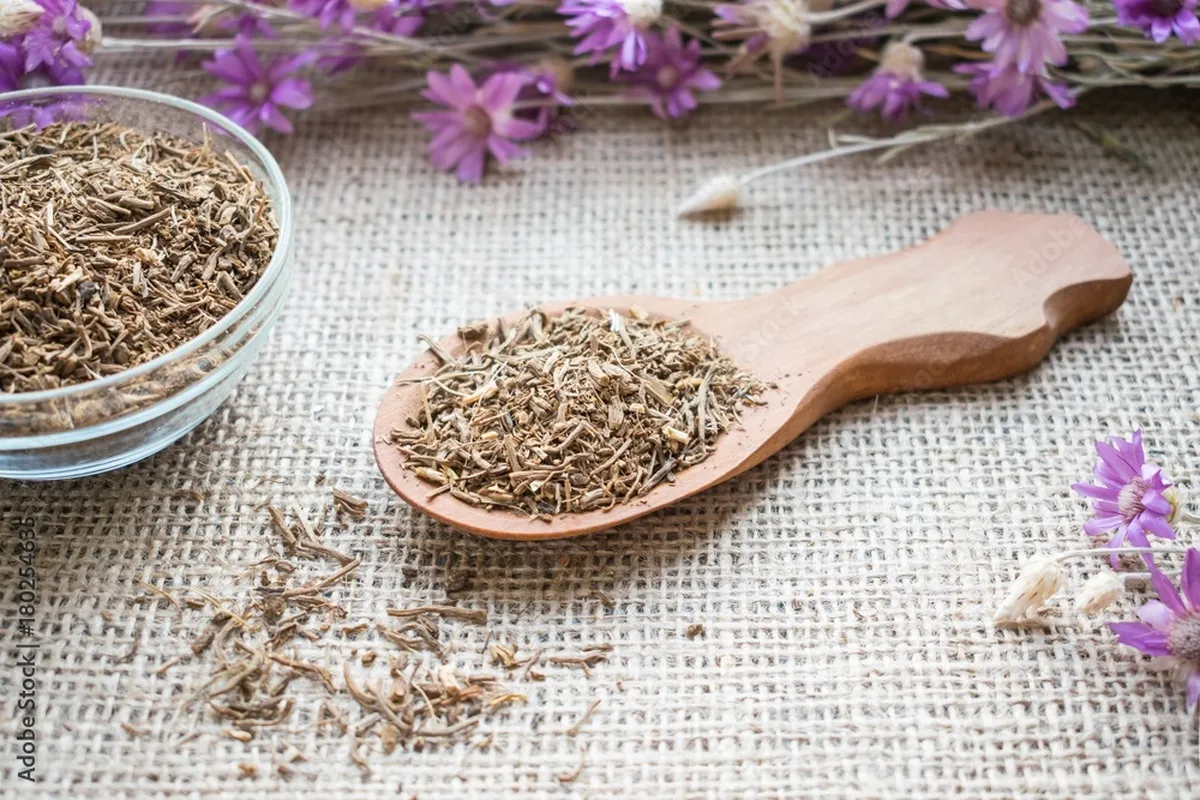
In a new study by researchers at Azad University, using concentrations of 30 and 45 ppm of auxin and 6 grams per liter of nano-humic acid also improved the chlorophyll index and soluble sugar content of the plant. This finding could be an effective solution for increasing the production of indigenous Iranian medicinal plants.
Nano-humic acid improves root development and boosts the ability to absorb water and nutrients by increasing the contact surface of roots with the soil and strengthening the root system.
Biochemically, it has a direct impact on energy production in the plant by activating metabolic and enzymatic pathways, specially in the synthesis of proteins, carbohydrates, and nucleic acids. This produced energy is transferred to the roots to serve as a reserve resource, helping the plant to use these reserves to maintain its growth and performance in times of resource shortage.
Valerian is a common traditional medicine used for treating insomnia. Some sources describe its effectiveness for this purpose as weak, ineffective, inconclusive, or low. Two meta-analyses concluded that valerian may improve sleep quality.
A 2006 meta-analysis concluded that there was insufficient evidence to determine valerian's effectiveness or safety for anxiety disorders. Another meta-analysis found that valerian may be safe and effective for improving sleep and reducing anxiety and that inconsistent results in past research could possibly stem from variability in extract quality.
4155/v