Scientists Find Kidney-Saving microRNA in a World-First Discovery
In a groundbreaking achievement, researchers at the CRCHUM, the hospital research center affiliated with Université de Montréal, have identified a type of microRNA that can safeguard small blood vessels and help maintain kidney function following severe injury, the journal JCI Insight reported.
This discovery holds significant promise for the more than four million Canadians living with chronic renal failure, as well as millions of patients worldwide, by offering new possibilities for earlier detection and prevention of the disease.
Until now, there had been no dependable biomarker to assess the condition of these delicate capillaries or to guide targeted strategies aimed at protecting kidney function.
Findings reveal that the microRNA known as miR-423-5p shows strong potential as a blood-based biomarker for evaluating kidney microvascular health.
The study was co-authored by Université de Montréal medical professors Marie-Josée Hébert and Héloïse Cardinal, who hold the Shire Chair in Nephrology, Renal Transplantation and Regeneration, alongside Hébert’s research associate Francis Migneault.
Their research focuses on the decline of peritubular capillaries, a key indicator of chronic renal failure.
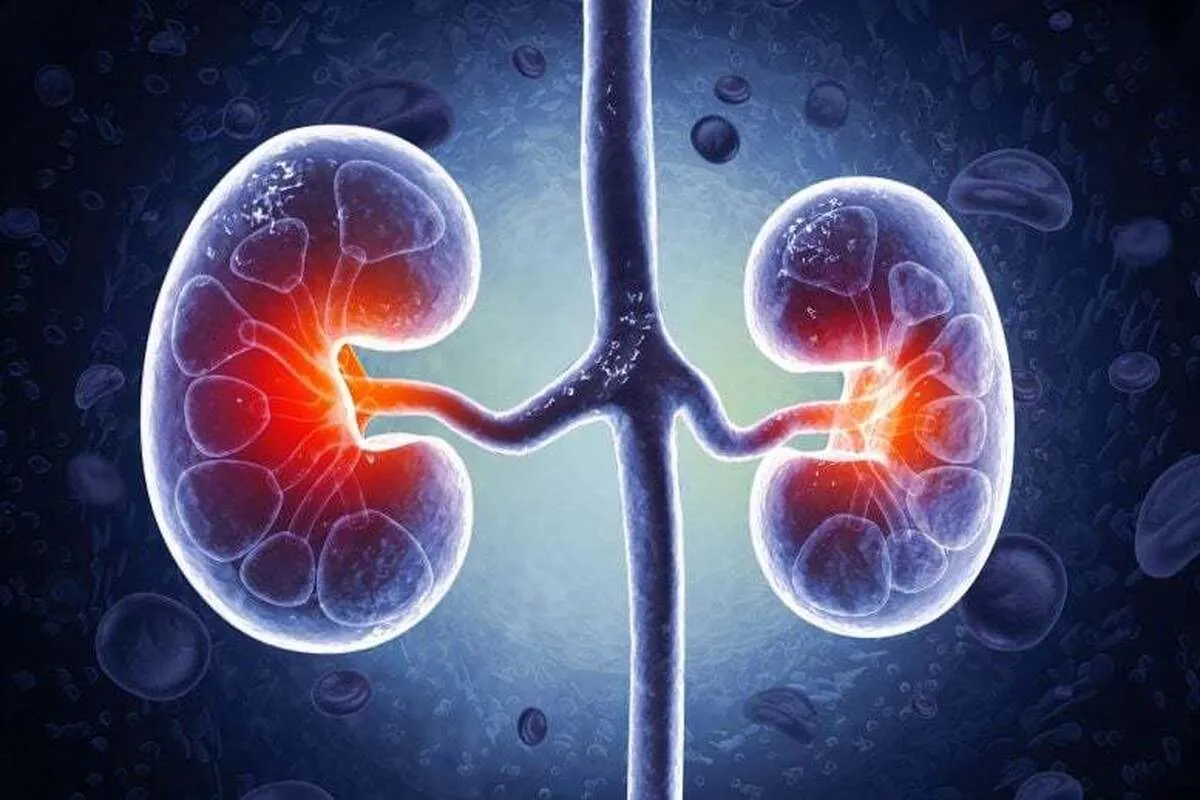
These minute vessels, found in the kidneys by the millions, are responsible for removing waste from the blood while delivering oxygen and nutrients essential for kidney function.
Kidney damage that occurs when blood flow is temporarily cut off and then restored can result in the loss of small blood vessels, significantly impairing the organ’s ability to function properly.
“In people who have received a transplant, if kidney function is severely altered, the kidney’s survival is threatened,” said Hébert, a nephrology-transplant physician and UdeM’s outgoing vice-rector for research, discovery, creation, and innovation.
“Using this biomarker, a test could be developed to evaluate the status of the small blood vessels much earlier,” she said. “Doctors in hospitals could then better evaluate the microvascular health of higher-risk patients.
“These could include elderly patients or those undergoing surgeries during which blood flow is temporarily stopped, as is the case for organ transplants or cardiovascular interventions.”
“We first observed fluctuating levels of miR-423-5p microRNA in the blood of mice with acute kidney injuries,” said Migneault, the study’s first author. “These results were then confirmed in 51 transplant recipients who participated in the CHUM kidney transplant biobank.”
Thanks to this biomarker, clinical teams could confirm whether their interventions improve or diminish the health of small blood vessels.
“But what’s really incredible is that by injecting this microRNA into mice with kidney injuries, we were able to preserve the small blood vessels and limit the damage done to the kidneys,” said Migneault.
While direct injection into the kidney is a clinically feasible method during a transplant, to protect the remaining small blood vessels, the CRCHUM scientists are now focused on alternative techniques to transport the microRNA, or likely a microRNA cocktail, to the kidney.
In terms of prevention, a test based on this miR-423-5p microRNA could be useful for patients with cardiac failure, pulmonary failure, or certain neurodegenerative diseases.
“For these medical conditions, the loss of small blood vessels plays a key role, because of the association with normal or accelerated aging,” said Hébert. “Our discovery could, therefore, have a significant impact on the health of all Canadians.”
For those with pulmonary failure, several research projects are in progress under Emmanuelle Brochiero, a researcher and head of the Immunopathology research theme at the CRCHUM.
It may also be possible, using the CHUM’s biological material biobank, to determine if existing medications, administered after a kidney transplant to treat another issue, impact small blood vessel health, added Hébert.
4155/v