Sanctions, Funding Shortfalls Hamper Iran’s Scientific Diplomacy, Official Says
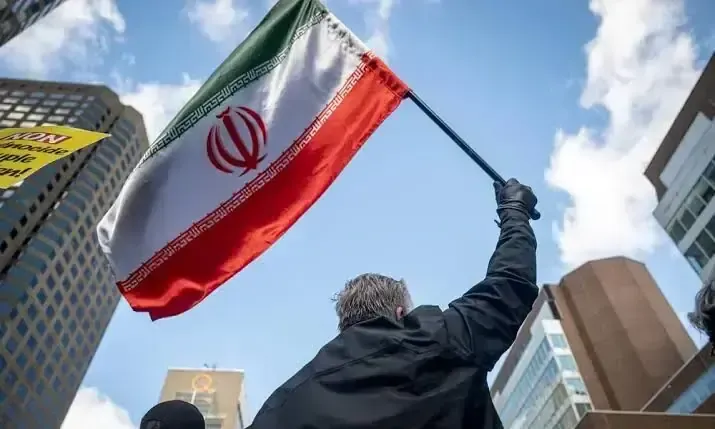
Ehsan Qhabul, head of the Ministry of Science’s Center for International Scientific Cooperation, outlined the challenges facing Iran’s scientific diplomacy at a conference on the internationalization of Iranian higher education held Tuesday at the Institute for Research and Planning in Higher Education.
He said the constraints stem from both external pressures and domestic shortcomings, arguing that Iran needs more effective mechanisms to maintain academic exchanges and expand its international scientific presence.
Sanctions and financial pressures
Qhabul said international sanctions have restricted Iran’s participation in global scientific activities, affecting researchers, students and other professionals involved in academic cooperation. He also referred to Iranian nuclear scientists being targeted because of their scientific expertise and efforts to address national challenges.
He identified limited funding as another major barrier, noting that the Science Ministry’s annual budget is below $1 billion, with most of its resources allocated to salaries and routine operating costs. As a result, relatively little funding remains available for international scientific engagement.
The shortfall has also limited opportunities for faculty members and students to participate in overseas academic programs, including sabbaticals. Qhabul said the gap between the actual costs of such programs and the funding allocated to them has widened considerably compared with the 2000s and 2010s.
Institutional overlap and regulatory constraints
The official also pointed to overlapping responsibilities among institutions involved in international scientific cooperation, saying the lack of coordination can create uncertainty for students and academics.
He acknowledged that regulatory and security concerns have complicated international engagement, particularly amid technology-related conflicts. He argued that, under these circumstances, regulatory authorities naturally pay close attention to international communications, while stressing the importance of maintaining channels for legitimate scientific cooperation.
Moving beyond formal agreements
Qhabul criticized an approach to international cooperation that prioritizes signing memorandums of understanding over implementing substantive projects.
He said university leaders sometimes conclude agreements during overseas visits but fail to pursue them effectively after returning home, as administrative and routine responsibilities take precedence.
To address this problem, he called for a shift toward practical cooperation involving researchers, faculty members and the institutions responsible for carrying out joint initiatives.
Persian language and cultural ties as diplomatic assets
Despite the challenges, Qhabul highlighted Iran’s cultural and historical heritage as a valuable foundation for international academic engagement.
He said approximately 400 Persian language and literature chairs operate worldwide, while around 120 Persian language departments are active in India. He also noted that Persian is taught in the United States and that universities such as Oxford and Cambridge have longstanding academic programs in the language.
According to Qhabul, international interest in Persian literature and Iranian history provides opportunities to strengthen academic relations, particularly through research into pre-Islamic Iran, the Islamic period and contemporary Iranian society.
He urged Iranian universities to use these cultural and civilizational resources to develop broader scientific partnerships.
Professor-led partnerships and student exchanges
Qhabul proposed expanding direct collaboration between individual academics as an alternative when formal partnerships between universities face obstacles.
He said researchers with the necessary experience and expertise should be given opportunities to establish international contacts, supported by appropriate mechanisms for documenting and following up on their activities.
He also cited the estimated 100,000 Iranian students studying abroad as a potential bridge between Iran’s domestic universities and international academic institutions.
One proposal would allow Iranian students overseas to have a second supervisor or academic adviser from an Iranian university. Joint degree programs and shared curricula could also enable students to complete part of their studies at leading universities inside Iran.
Such arrangements, he said, could encourage joint research, co-authored publications, educational partnerships and faculty exchanges.
Expanding academic cooperation with Iraq
Qhabul said approximately 75,000 international students are enrolled at Iranian universities and highlighted opportunities to deepen educational ties with neighboring Iraq.
He referred to around 9,000 Iraqi doctoral students studying in Iran and said a proposal had been made for Iraqi institutions to appoint additional academic supervisors for these students.
Research on shared environmental challenges affecting both countries could provide a basis for collaborative projects, generating scientific benefits while helping address regional problems.
Mobilizing the Iranian scientific diaspora
The official identified Iranians living abroad as another important resource for expanding international scientific cooperation.
He estimated that approximately two million Iranians reside overseas, including researchers, professionals working in scientific institutions and entrepreneurs operating knowledge-based companies.
Qhabul said many emigrants possess valuable scientific expertise and technological experience that could contribute to Iran’s development. He also reported signs of increased willingness among some Iranians abroad to re-establish connections with their home country in recent months, particularly following the war.
He added that some retired professors from leading international universities have expressed readiness to cooperate with Iranian institutions. Turning this interest into sustained partnerships, he said, will require carefully designed programs linking overseas experts with domestic universities and research centers.
International organizations and virtual diplomacy
Qhabul also called for greater use of international organizations to sustain academic cooperation where direct institutional ties are difficult to establish.
He identified UNESCO, BRICS, the Shanghai Cooperation Organization and the Economic Cooperation Organization as potential platforms for facilitating scientific exchanges and expanding universities’ international engagement.
Digital communication, he added, can help overcome some barriers to in-person interaction. Online conferences, academic mentoring, research consultations and virtual advisory programs could enable researchers to maintain professional ties despite travel and other restrictions.
Scientific cooperation indicators show upward trend
Qhabul described Iran as being in a transitional period in which current decisions will shape the future of its scientific diplomacy.
He said the opportunities available to leading and mid-tier universities for international engagement remain greater than their current level of activity, suggesting that existing capacities are not being fully utilized.
The official reported that 150 indicators related to scientific and international cooperation had shown an upward trend over the preceding nine months, expressing hope that improved policies and sustained efforts would help Iran overcome current difficulties and expand its global academic partnerships.