Plant-Based Microencapsulated Pesticides Developed for Pest Control
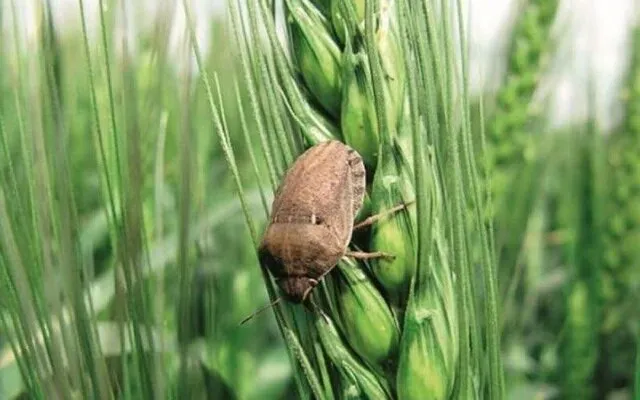
Pest control is essential to maintaining the quantity and quality of food production. However, concerns over pesticide use and chemical residues in agricultural products have increased interest in alternative approaches and lower-risk formulations. Against this backdrop, an Iranian knowledge-based company is developing products based on plant-derived compounds and nanotechnology for managing agricultural, public health and stored-product pests.
Hossein Azimi, a member of the company's board of directors, emphasized the importance of pest control in ensuring food security. "Today, the primary goal of countries is to ensure food security for their populations. Producing sufficient food inevitably requires human intervention in nature, but such interventions can affect ecological balance. One consequence of these changes is the emergence and spread of pests, making pest population control essential to protecting agricultural production," he said.
He noted that alternative approaches can also be used for pest management, adding that pest control is not necessarily limited to conventional chemical pesticides. According to Azimi, selecting an appropriate pesticide requires consideration not only of its effectiveness against the target pest but also of its potential impacts on humans, non-target organisms and the environment.
Maryam Negahban, the company's chief executive officer, outlined its background in the field, saying: "We have been involved in the production of botanical pesticides for approximately 20 years, and our company began operations in 2017 (1396 in the Iranian calendar) to develop products that meet consumer needs. Throughout this period, we have sought to use advanced technologies to develop formulations based on natural compounds."
Referring to Iran's potential in medicinal plant production, Negahban said that one of the main motivations for entering this field was the opportunity to use natural compounds derived from medicinal plants for pest control and to develop active ingredients domestically. She added that combining the biological properties of these compounds with modern technologies can enable the production of formulations suitable for pest management.
Explaining the technologies used in the company's products, Negahban said that nanoencapsulation and microencapsulation are among the methods employed in their formulation. These techniques involve enclosing an active ingredient within a protective structure. The properties of the coating and formulation can influence the ingredient's stability, release profile and performance under application conditions. Such technologies also make it possible to design formulations tailored to specific pests and application requirements.
The CEO also highlighted the importance of product stability during storage, noting that the stability, efficacy and safety of each formulation must be evaluated based on its ingredients, storage conditions, application methods and the results of specialized testing.
She added that the company's activities extend beyond agricultural pesticides to include the development of nanoencapsulated polymer formulations for public health pest control, fumigant powders and tablets for stored agricultural products, and encapsulated formulations containing insect-pathogenic fungi and certain bacteria.
According to Negahban, other areas of development include botanical products for controlling Varroa mites, parasites that affect honeybees, as well as disinfectants and external antiparasitic products for livestock, poultry and birds.
In the agricultural sector, the company is also developing plant-based formulations targeting pests such as pistachio psyllid, whiteflies, potato tuber moth, mites, scale insects, aphids and thrips.
The CEO said that the development of nanotechnology-based botanical pesticides, provided their efficacy is demonstrated and their safety is verified, could contribute to integrated pest management alongside biological control, pest population monitoring and agricultural practices. This approach aims to control pests effectively and reduce crop losses while taking environmental impacts and consumer health into account.