Iran’s Pasteur Institute Reports Major War Damage
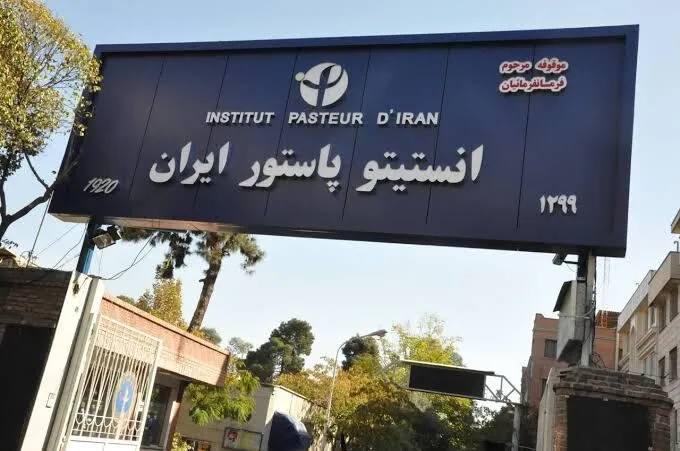
Speaking at an event marking World Field Epidemiology Day, Mostafavi highlighted the institute’s longstanding role in disease surveillance, vaccine development, laboratory diagnostics, and outbreak response. Founded in 1920 amid major public health crises, the institute has historically linked field investigations with laboratory analysis to improve disease detection and control.
Its activities have included surveillance and control of plague and cholera, vaccination campaigns against infectious diseases, environmental monitoring of drinking water, and research into emerging threats such as COVID-19 and mpox. Historical field investigations also helped strengthen national diagnostic capabilities and contributed to international efforts to control infectious diseases.
Mostafavi stressed that effective outbreak management depends on combining field data with laboratory-confirmed findings. This integration supports evidence-based decisions, improves surveillance systems, and helps researchers assess vaccine safety and effectiveness under real-world conditions.
The institute established a rapid-response team for infectious diseases in 2006, following disease events in southeastern Iran. The team aims to identify infectious threats within 48 hours by coordinating the institute’s diagnostic and research capabilities. Maintaining this capacity requires modern equipment, trained personnel, and sustained investment in laboratory infrastructure and vaccine production.
Looking ahead, Mostafavi warned that future pandemics remain a significant global risk and called for stronger preparedness, including improved disease surveillance, expanded research capacity, and closer national and international scientific cooperation. He also emphasized the importance of protecting field researchers, whose work can expose them to serious occupational hazards.
The institute’s international capabilities include participation in the global Pasteur Institute network, collaboration with the World Health Organization through two collaborating centres, and a history of vaccine exports and international public health cooperation.
War Damage and Urgent Reconstruction
Mostafavi reported that the institute was damaged on multiple occasions during the war, affecting research and diagnostic facilities. An assessment conducted approximately three months earlier estimated the total damage at around 4 trillion tomans, with a substantial proportion attributed to scientific and laboratory equipment.
He called for urgent reconstruction and equipment replacement, warning that restoring the institute’s operational capacity is vital to maintaining diagnostic services and ensuring Iran can respond effectively to future health threats.
Mostafavi concluded that strengthening public health requires coordinated investment in infrastructure, workforce development, research, innovation, and collaboration across institutions before the next crisis emerges.