Nano-Enhanced Silicone Coatings Aim to Reduce Electrical Arcing and Power Outages
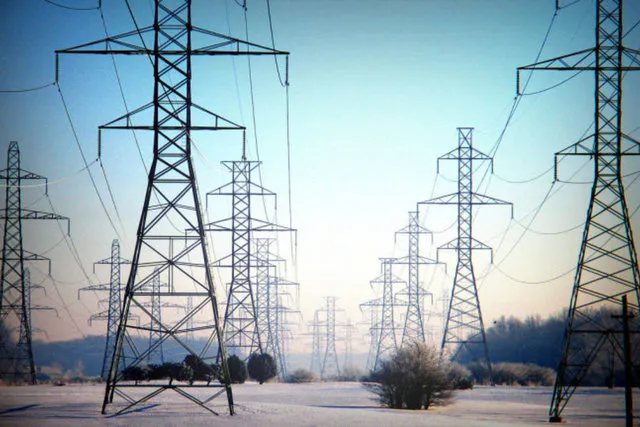
Dust and pollutant accumulation on electrical infrastructure, particularly on transmission and distribution line insulators, can compromise insulation performance and increase the risk of electrical discharges, equipment damage, and power outages. These risks are especially significant in hot, humid, and dust-prone regions, where environmental contamination can accelerate the deterioration of electrical insulation.
To address this challenge, a domestic knowledge-based company, with support from Iran’s Tavanir power utility, has developed and commercialized locally produced RTV silicone coatings.
Applied to glass and ceramic insulators, the hydrophobic coatings are designed to reduce the effects of surface contamination and leakage currents, thereby helping improve the insulation performance of electrical equipment. According to the manufacturer, the product can be applied on-site and is approximately 30% less expensive than imported alternatives.
Insulators are essential components of electricity transmission and distribution networks. They electrically isolate energized conductors from supporting structures and other equipment. However, the accumulation of dust, salt, and other contaminants on insulator surfaces can create conductive pathways when moisture is present. The resulting leakage currents may lead to surface discharges, sparking, and, under severe conditions, electrical arcing that can disrupt network operations.
These problems are particularly relevant in southern Iran and other areas exposed to high levels of environmental pollution, where dust, humidity, and elevated temperatures can combine to increase the risk of insulation failure. Contamination can also increase the need for periodic cleaning, inspection, and maintenance. Technologies that mitigate these effects or extend maintenance intervals may therefore offer operational and economic benefits for electricity network operators.
Monireh Taghvaei, chief executive officer of the knowledge-based company, explained that RTV silicone coatings are used as hydrophobic, pollution-resistant protective layers on electrical equipment. By reducing the effects of moisture and contamination on insulator surfaces, the coatings are intended to help prevent certain environmentally induced electrical faults. She also noted that the technology was localized in Iran with support from Tavanir.
According to the company, the coating is applied by spraying it onto ceramic and glass components, where it cures at ambient temperature without requiring an industrial oven or additional heating. This feature can simplify application and enable the coating to be applied directly at installation sites, an advantage for electrical infrastructure that is difficult to dismantle or transport.
The coating can reportedly be applied either during insulator manufacturing or directly to installed equipment in transmission and distribution networks. This flexibility allows operators to incorporate the technology during production or as part of maintenance and equipment rehabilitation programs. The manufacturer also cites low weight, thermal and chemical resistance, and suitable electrical properties among the product’s key characteristics.
The coating’s hydrophobic properties are intended to prevent contaminants from remaining on insulator surfaces as persistent, moisture-laden layers. By limiting the formation of conductive surface pathways, the technology aims to reduce leakage currents and the likelihood of electrical discharges, which can damage equipment and, in some circumstances, contribute to fires.
However, the degree of protection depends on factors including contamination type and severity, ambient humidity, insulator condition, and coating application quality. The technology does not eliminate the need for inspections or maintenance tailored to local operating conditions.
Potential applications extend beyond electricity utilities. Petrochemical facilities, steel and cement plants, and other industrial sites exposed to dust, chemical pollutants, and harsh environmental conditions could also benefit from the coatings. In these settings, maintaining the electrical insulation of equipment is critical to operational reliability and the prevention of unplanned shutdowns.
Before the technology was localized, imported products were used for similar applications. The domestic coating is intended to compete with these alternatives in both price and technical performance. In addition to its reported 30% price advantage, the manufacturer states that the product does not require special preparation before use.
These features could reduce procurement and application costs. Nevertheless, a comprehensive assessment of its economic and technical advantages would also require data on coating durability, maintenance requirements, and performance under different environmental conditions.