One-time cell injection offers new hope for osteoporosis treatment
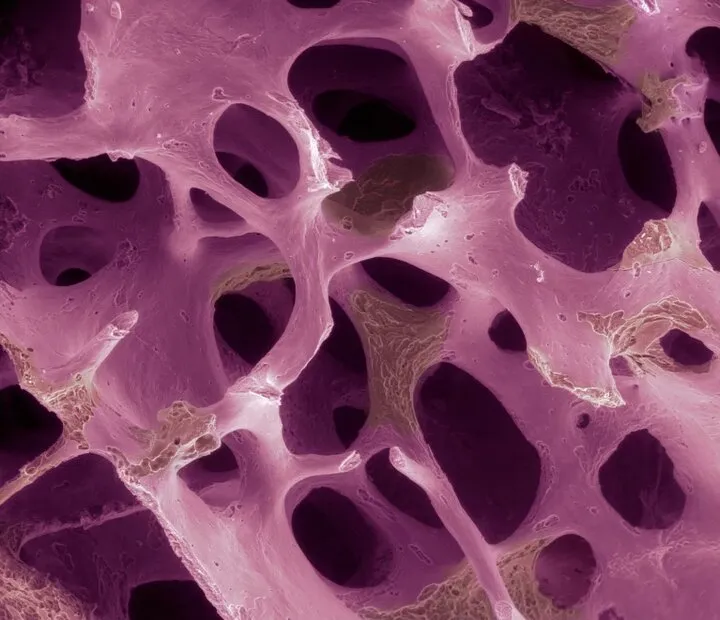
Ten older women with osteoporosis had experienced dozens of bone fractures, often following minor slips or falls. After receiving a single injection of their own bone marrow cells, modified in the laboratory to improve their ability to reach bone tissue, they experienced a marked reduction in fractures.
According to Nature, the women, who participated in the small clinical trial recently reported in Cell, had previously suffered fractures of the spine, hips, arms and other bones on average every one to two years. Following treatment, the rate of low-trauma fractures fell to approximately one every 10 years.
The findings raise the possibility that a one-time cell therapy could help regenerate fragile bones in people with osteoporosis, an age-related disease affecting around 200 million women worldwide, particularly after menopause.
However, the findings have important limitations. The study was small and had no control group, while most participants were taking conventional osteoporosis medications before and during the trial. This makes it difficult to determine how much of the observed effect was attributable to the cell therapy.
The researchers also did not directly track the therapeutic cells inside the recipients, leaving a key question unanswered: Did enough of the cells actually reach the bones to produce a meaningful effect?
Targeting cells toward bone
Robert Sackstein, a regenerative medicine specialist and co-author of the study, believes the cells did reach their target. For decades, he has investigated how different regenerative cell types, including bone-forming progenitor cells known as mesenchymal stromal cells (MSCs), can be directed within the body to maximize their therapeutic effects.
When injected into the bloodstream, MSCs typically have limited ability to reach bone tissue. But in 2008, Sackstein and his colleagues found that adding a sugar called fucose to these stem-like cells enabled them to migrate toward and enter bones, leading to skeletal tissue formation in mice.
The added sugars generally disappear within about two days and are thought to work by strengthening interactions between MSCs and the walls of blood vessels. These interactions slow the cells down, allowing them to enter the bone marrow.
After demonstrating the approach in mice, Sackstein and his colleagues turned their attention to humans. According to the researchers, only a few studies had tested MSC-based treatments for osteoporosis, and no clinical trial for any disease had deliberately modified these cells to improve their ability to migrate to target tissues. Several years were spent optimizing the cell-production process and generating the preclinical data needed to begin the trial.
In 2015, the researchers’ clinical collaborators in Spain, led by José María Moraleda, a bone marrow transplantation specialist at the University of Murcia, launched the trial. They treated women aged 51 to 72 with advanced osteoporosis and a history of fractures using MSCs extracted from their own bone marrow and enhanced with fucose.
Signs of a therapeutic effect
After a median follow-up of six years, the modified cells were not associated with an increased incidence of cancer or other serious adverse effects. The researchers also observed several promising signs of therapeutic benefit.
Fracture rates among the women fell sharply, while scans and biopsies showed improvements in bone size and density. Participants also reported reduced pain and disability, and blood levels of key proteins associated with bone formation increased.
“This is really quite remarkable,” Moraleda said. He is now planning a follow-up trial involving about 100 people with osteoporosis.
In the new study, in addition to standard drug treatment, participants will be randomly assigned to one of three groups: treatment with fucose-enhanced MSCs derived from their own bone marrow; treatment with fucose-enhanced MSCs obtained from healthy donors; or no cell therapy.
A larger trial could help resolve remaining questions about whether the cells themselves are responsible for bone regeneration.
Richard Eastell, an osteoporosis researcher at the University of Sheffield in the UK, said the protein changes observed in the 10-person trial indicate increased bone turnover. However, he noted that this could result from either bone loss or the formation of new bone.
Yasmeen Marzban, a biochemist at King Abdullah University of Science and Technology in Thuwal, Saudi Arabia, who trained in Sackstein’s laboratory and participated in the 2008 study, said the sustained reduction in fractures provides evidence that the treatment is having an effect.
A larger randomized trial is now needed, she added, to determine whether the approach can genuinely regenerate bone and to answer key questions about its effectiveness and long-term effects.


















