Study reveals molecular mechanism behind heparin-induced thrombocytopenia
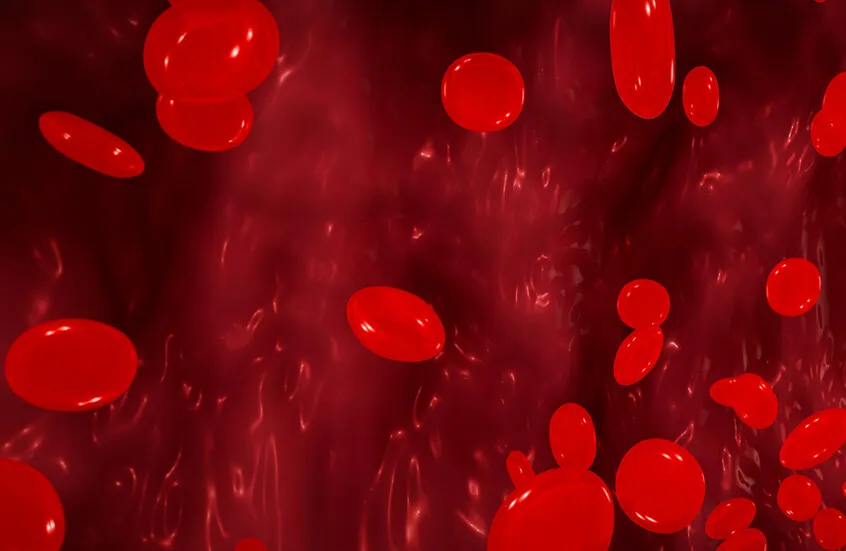
The study showed how a naturally occurring blood protein can become a target for harmful antibodies, triggering an immune condition known as heparin-induced thrombocytopenia (HIT).
The researchers focused on platelet factor 4 (PF4), a natural protein involved in blood clotting. In some patients receiving heparin, the protein can change its shape, making it a target for antibodies that activate an immune response and may lead to the formation of dangerous blood clots. These clots can cause stroke, heart attack or loss of a limb, and may become life-threatening if the condition is not diagnosed and treated promptly.
Using nuclear magnetic resonance (NMR) spectroscopy, the researchers identified what they described as a “molecular switch” within PF4 that controls its shape. They found that keeping the protein in its closed state significantly reduces its ability to trigger an immune response, suggesting that this mechanism could potentially be used to develop new diagnostic or therapeutic approaches.
The findings resulted from collaboration among researchers in chemistry, structural biology, medicine and transfusion medicine, led by Giuseppe Melacini and Isaac Nazy, together with postdoctoral researcher Chiu-Lin Ma.
Melacini said identifying the structural change that converts PF4 into a disease-causing antigen provides a new approach that could be used to detect or prevent dangerous immune reactions. Nazy noted that combining molecular imaging techniques with clinical expertise enabled the team to explain why the protein becomes a target for harmful antibodies.
The researchers believe the findings could pave the way for more accurate diagnostic tests to detect disease-causing antibodies at an early stage, allowing earlier intervention and reducing complications. The approach used in the study could also provide a model for investigating other diseases associated with subtle structural changes in proteins that alter their function.