Smart Headset Predicts Epileptic Seizures Minutes Before Onset
Sudden epileptic seizures represent a daily challenge for hundreds of thousands of people worldwide, forcing patients to live in constant anticipation of an episode that may strike at any moment—often limiting their independence and quality of life.
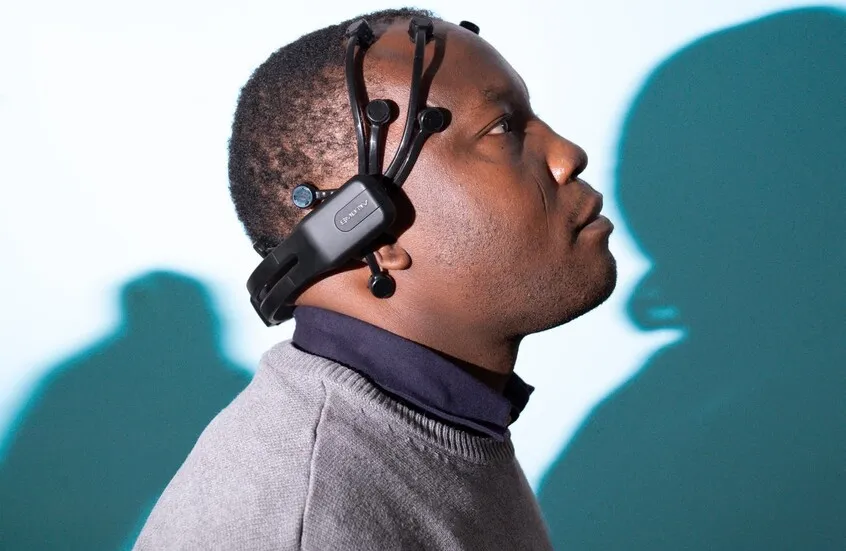
A new technological breakthrough may soon change that reality. Researchers at Glasgow Caledonian University have developed a smart headset that uses artificial intelligence to anticipate epileptic seizures several minutes before they begin.
The technology relies on the simultaneous monitoring of two vital physiological functions: electrical brain activity and cardiac signals. AI algorithms trained on thousands of hours of medical data analyze subtle patterns that immediately precede a seizure, enabling early detection.
One of the system’s key strengths is its high accuracy, reported to reach up to 95 percent. In addition, the device provides a confidence level for each prediction, giving users clearer insight into their condition and the reliability of the alert.
The headset is designed with practicality in mind. Lightweight, wireless, and resembling a regular cap, it can be worn daily without drawing attention. The research team also aims to develop child-friendly versions, given that epilepsy is among the most common neurological disorders in childhood.
Even a brief early warning can significantly alter a patient’s experience, allowing time to take safety precautions such as sitting or lying down in a secure place, alerting others nearby, or using preventive medication. These measures not only reduce the risk of physical injury but also help ease the psychological burden associated with constant fear.
Despite its promise, the headset faces complex regulatory challenges, as medical device approvals typically require years of rigorous testing and evaluation. However, a recent £9 million funding award from a UK research foundation is expected to accelerate further development and clinical trials.
The innovation coincides with parallel technological progress in the field. Researchers at specialized universities in London have developed another AI-based system capable of detecting epilepsy-related brain abnormalities that may escape even trained human observers.
Together, these advancements mark a major shift in the fight against epilepsy, moving the focus from treating seizures after they occur to predicting and preventing them—opening new possibilities for greater independence, safety, and peace of mind for those living with this complex neurological condition.