The U.S. and the Risk of Another War of Attrition in the Middle East
Historical experience suggests that the United States has often faced serious challenges in protracted regional conflicts. Two prominent examples are the long wars in Iraq and Afghanistan. Despite the expenditure of several trillion dollars and years of military presence, both conflicts ultimately ended without achieving their declared objectives and with significant human and political costs.
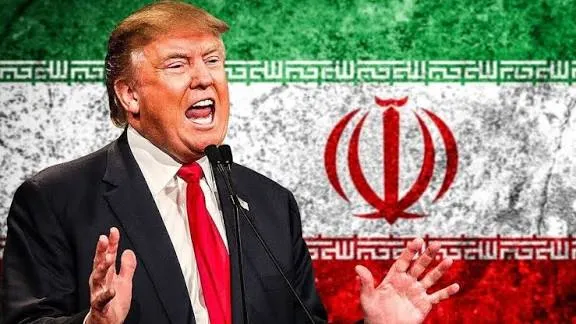
This historical background was one reason why Donald Trump had previously positioned himself as a major critic of U.S. military interventions in the Middle East, repeatedly blaming earlier administrations for dragging Washington into costly and open-ended wars. Yet recent developments indicate that his administration may now find itself on the path toward a broader confrontation—one that, if prolonged, could revive the same strategic dilemmas that characterized earlier conflicts.
In contrast, Iran has declared since the beginning of the confrontation that it is prepared for a long-term conflict. From a strategic perspective, this stance carries considerable significance. Military theory often suggests that when one side seeks a short war while the other prepares for a prolonged struggle, the balance of advantage may gradually shift toward the party better able to absorb pressure and sustain the fight over time.
Within this framework, Iran appears to rely on a combination of national capabilities and regional networks—resources that include not only its internal defensive capacity but also allied actors across the region. The gradual expansion of conflict fronts across the Middle East could further complicate the strategic equation.
The active presence of groups such as Hezbollah on the Lebanese front, alongside clashes between resistance forces in Iraq and U.S. forces, suggests that the war may be evolving into a multi-front regional confrontation. In such circumstances, the United States and Israel could be compelled to divide their military and security resources across several theaters, a situation that historically tends to increase both political and military costs in prolonged conflicts.
Another critical factor in this equation is the global energy market. A large portion of the world’s oil supply passes through the Strait of Hormuz, and any disruption along this route could have far-reaching economic consequences worldwide.
Should the war lead to sustained disturbances in energy flows, economic and political pressure on governments involved in the conflict—particularly in Western countries—would likely intensify. Such pressure could eventually trigger a wave of international efforts aimed at bringing the conflict to an end. Alongside these geopolitical considerations, domestic variables may also play a decisive role in shaping the trajectory of the war. In Israel, the continuation of hostilities and mounting security pressures could affect the political future of Benjamin Netanyahu.
In the United States, a prolonged war could become a major issue in domestic political competition—especially if its economic and human costs rise. Developments such as potential Republican losses in congressional elections or increasing political pressure on the administration could also influence decision-making regarding the continuation of the conflict.
Against this backdrop, if the confrontation evolves into a war of attrition, the outcome will likely be determined not solely on the battlefield but in the broader balance of costs and the political and social resilience of the parties involved.
In such a scenario, Iran appears prepared to leverage its national and regional capabilities to prevent the realization of the declared objectives of the United States and Israel. Even without achieving a classic military victory, it could still position itself advantageously in strategic terms.
For Washington, however—often perceived as the initiator of the conflict—the failure to achieve its stated goals and the prospect of exiting the confrontation without tangible gains could amount to a political and strategic defeat. Such an outcome would likely extend beyond the battlefield, reverberating in domestic U.S. politics and in the broader balance of power across the Middle East.


















