Iran: A State of Ideas or a State of Individuals?
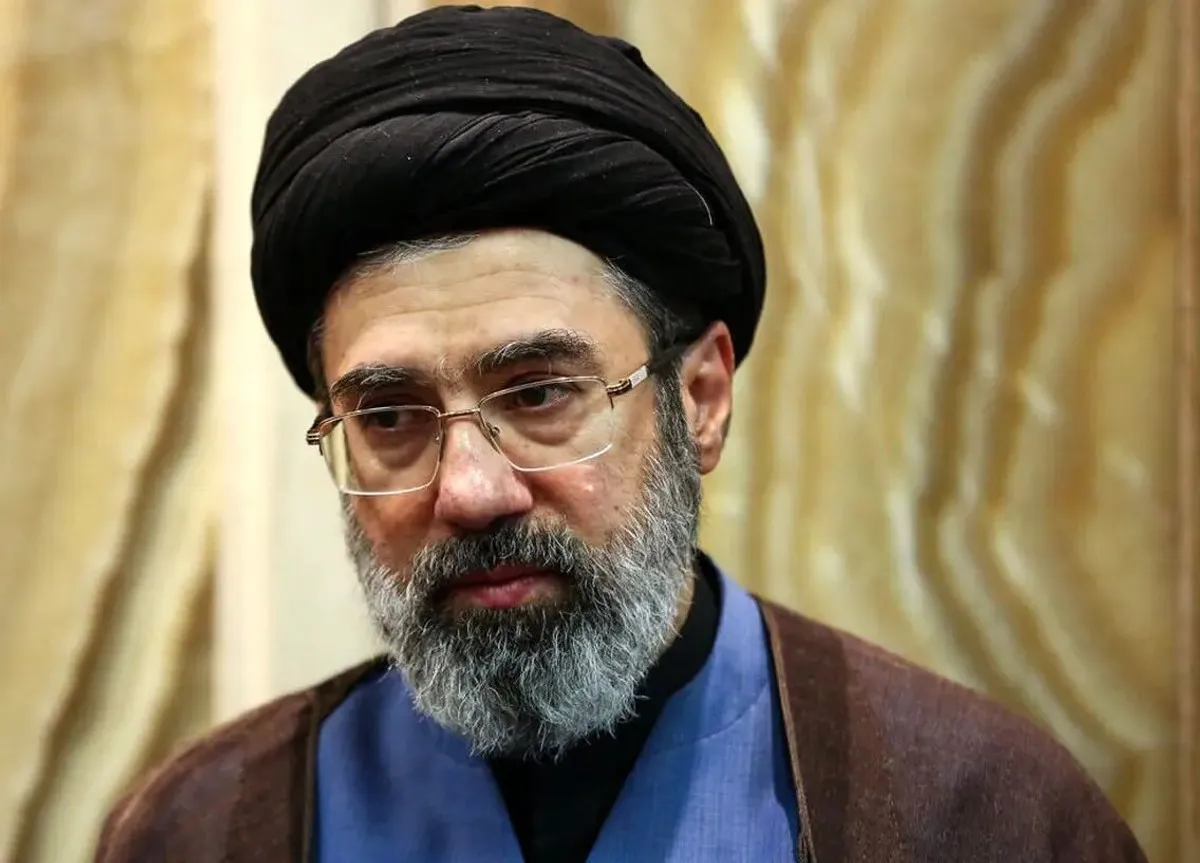
Over the past decades, Iran has faced a long series of assassinations and targeted attacks against prominent political and military figures. From senior officials in the early years following the 1979 revolution to leading military commanders in more recent times, the expectation among Iran’s adversaries has often been the same: that the absence of key figures would destabilize the state or paralyze its ability to function.
Instead of collapsing, Iran’s state institutions and society have demonstrated a notable capacity to absorb shocks. Leadership positions are quickly filled, institutions continue operating, and losses often become a rallying point that mobilizes new waves of support. This recurring pattern points to a fundamental reality: Iran’s political system is not simply a hierarchy resting on a single apex of power, but a broad network of institutions and cadres built over decades of experience.
The deeper explanation lies in the nature of the Iranian state itself. Iran is not a modern country formed only in recent decades; it is a political civilization that stretches back thousands of years. Throughout its history, empires and regimes have risen and fallen, and forms of governance have changed. Yet the concept of the Iranian state has remained deeply rooted in the collective consciousness of its society.
This historical depth has created a form of national continuity that allows the state to regenerate itself even in the most challenging circumstances.
Since 1979, the political experience of the Islamic Republic has also reinforced a multi-layered institutional structure. Political bodies operate alongside security and military institutions, while social and cultural networks connected to the state coexist with diverse political currents functioning within the system itself. This overlap distributes decision-making and continuity across multiple levels rather than concentrating them in a single figure, regardless of his stature.
For this reason, the so-called “decapitation strategy” — targeting leadership figures in the hope of weakening the system — often fails to achieve its intended results in Iran’s case. When a political or military leader is assassinated, the apparatus he led does not stop functioning; responsibility shifts to other prepared figures. In many cases, such incidents even strengthen national discourse and reinforce a sense of solidarity among significant segments of society around the idea of defending the state.
Iran has demonstrated on numerous occasions that its resilience does not rely solely on military or political capabilities. It is also rooted in a deeply embedded national sentiment that views the state as an extension of a long-standing historical and cultural identity. As a result, external pressure can sometimes produce the opposite of its intended effect: rather than weakening the state, it pushes broad sections of society to rally around it.
This does not mean that Iran is free of challenges or internal divisions. Like any other society, the Iranian public experiences intense debates and political, economic, and social disagreements. What appears clear, however, is that these disputes rarely translate into the collapse of the state itself, largely because the national framework underpinning it is broader and deeper than any temporary crisis.
Viewing Iran solely through the lens of individual leaders may therefore offer an incomplete picture. At its core, Iran represents not just a political system but a complex historical and social structure. The idea that it could be brought down simply by removing certain leaders may reflect a misunderstanding of the country’s nature.
Repeated experiences suggest that Iran, even during its most difficult moments, has been able to reorganize itself quickly. Leaders may change and names may fade, but the state continues. For many analysts, this indicates that Iran’s true strength lies not only in its current leadership figures but in its capacity to continuously produce new ones.
Ultimately, the most important lesson from the Iranian experience may be that states which evolve into deeply rooted national ideas do not fall easily. When a state becomes intertwined with a society’s identity and history, it does not disappear with the departure of individuals. Instead, it endures and reshapes itself from one generation to the next.
In this sense, the more meaningful question may not be who leads Iran today, but rather what historical and social forces enable the country to endure — even in the absence of its leaders.


















