Inflatable Robotic Hand Could Transform Prosthetics
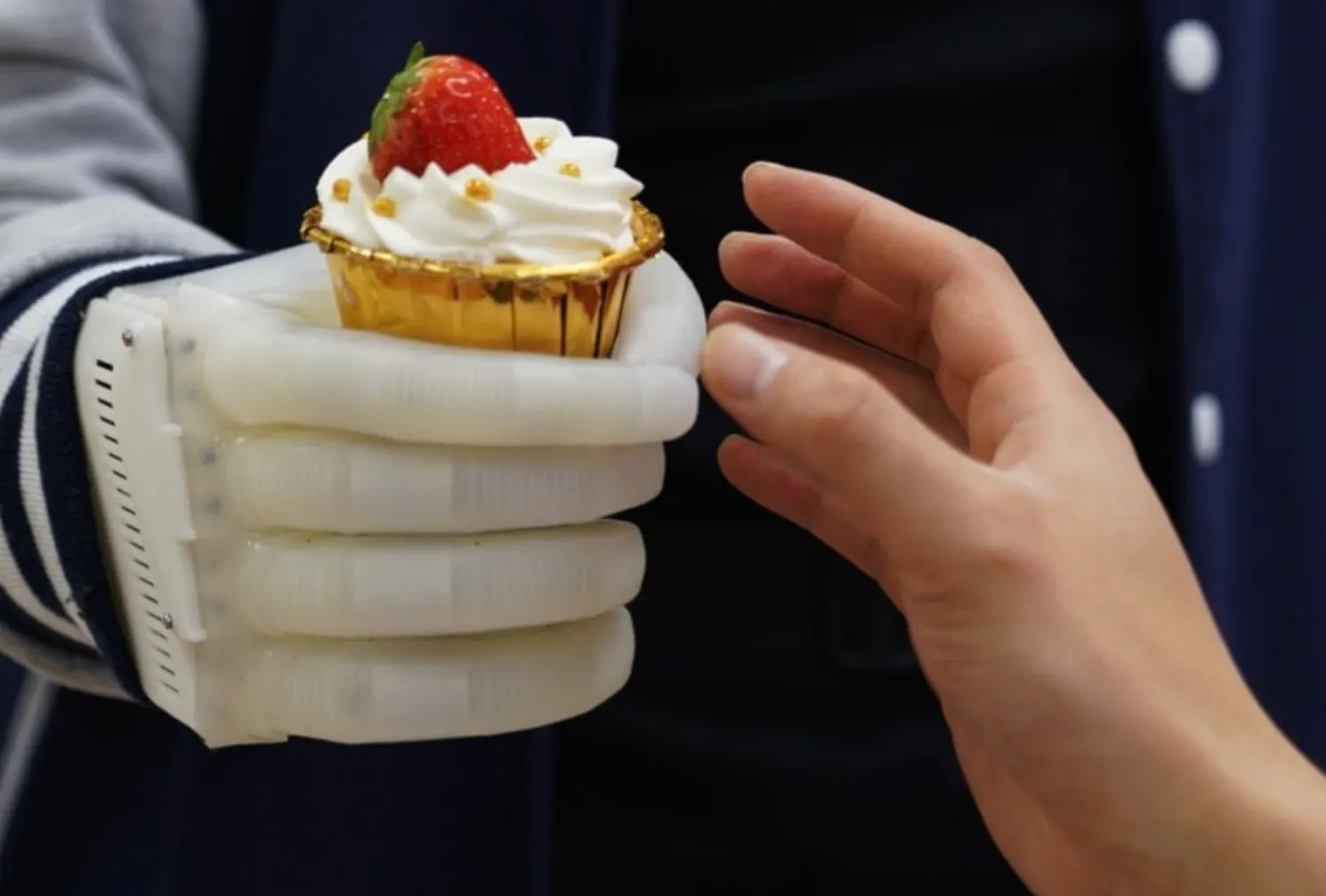
A joint research team from MIT and Shanghai Jiao Tong University has unveiled a new inflatable robotic hand designed to deliver intuitive control and real-time sensory feedback to users. The breakthrough represents a significant step toward more accessible and affordable prosthetic solutions for individuals with upper-limb amputations.
The newly developed hand is positioned as a lightweight and low-cost alternative to advanced neural prosthetics currently available on the market, which are often heavy and prohibitively expensive. Conventional smart prosthetic limbs can cost tens of thousands of dollars and rely on bulky metal frames and electric motors, limiting their widespread adoption.
In contrast, the inflatable robotic hand features a soft, flexible design weighing less than half a kilogram, with component costs of under $500. These characteristics make it a particularly promising option for users in low-income settings worldwide.
“This is not yet a commercial product, but its performance is comparable to, and in some cases exceeds, that of existing neural prosthetic hands,” said Professor Xuanhe Zhao, one of the project’s lead researchers at MIT. “We see tremendous potential to make this technology affordable and accessible to a much broader population of amputees globally.”
The design, described in findings published in Nature Biomedical Engineering, draws inspiration from popular culture—specifically the inflatable robot featured in the animated film Big Hero 6. The hand is made from a soft, elastic rubber material known as EcoFlex and consists of five balloon-like fingers reinforced with internal fibers that mimic the structure of human bones.
A simple pneumatic system precisely controls the inflation of each finger, allowing the hand to form a wide range of grips. During testing, volunteers successfully performed complex everyday tasks such as closing a suitcase, pouring juice, typing, and petting an animal. In several cases, user performance matched or even surpassed that achieved with some of the most advanced prosthetic hands currently available.
The robotic hand also incorporates advanced neural control technology. Electromyography (EMG) sensors detect subtle electrical signals generated by the remaining muscles in the user’s arm, while intelligent algorithms translate these signals in real time into precise movements—allowing the hand to respond directly to the user’s intended actions.
A key innovation of the system is the restoration of a form of tactile sensation. Pressure sensors embedded in the fingertips transmit sensory signals to specific areas of the residual limb, enabling users to identify which finger is being touched and estimate the size of objects they are grasping. In trials, a blindfolded participant was able to distinguish between different fingers and recognize objects of varying sizes, indicating a basic recovery of touch sensation.
The hand has also demonstrated notable durability, quickly regaining full functionality even after being subjected to heavy mechanical stress, such as being run over by a car.
The research team is now focused on improving sensing accuracy and expanding the range of motion, with plans to develop a version suitable for large-scale commercial production following the successful patenting of the design. The technology is expected to open new possibilities for integrating amputees into daily activities with greater efficiency, independence, and dignity.