Iranian Scientists Make Bio-Inks for 3D Printers from Food Waste
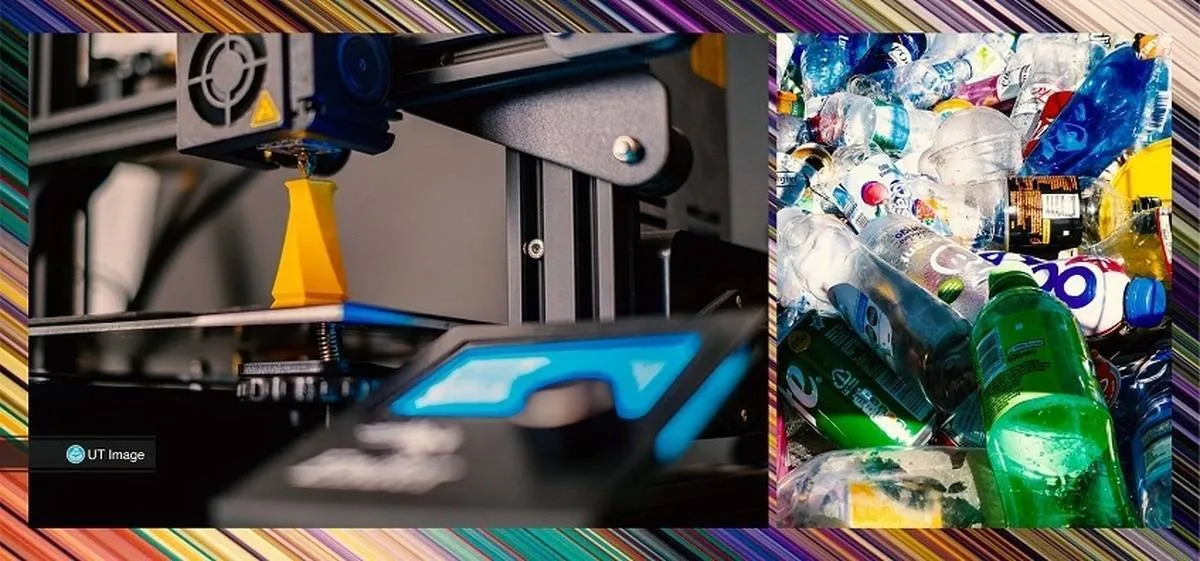
In an article recently published in the prestigious journal Nature Food with an impact factor of 9.21, Morteza Aghbashloo, a professor at the Faculty of Agriculture at the University of Tehran, showed that food waste, which is considered a major environmental and economic problem, can become a valuable resource for producing bio-inks used in 3D printing.
He explained that this article, titled ‘Food loss and waste valorization offers a sustainable source of biopolymers in bioinks for 3D printing’, examines the potential of 3D printing technology in utilizing food waste and losses.
“Food waste, which is a major environmental and economic problem, can become a valuable source for producing bioinks used in 3D printing,” Aghbashloo said.
He added that in this research, various aspects of the subject, including the technical and mechanical properties of the produced biomaterials, printability, economic added value, and their role in promoting environmental sustainability, were examined.
“The article emphasizes that the use of bioactive compounds extracted from food waste can lead to the production of materials with new functions in areas such as food packaging, tissue engineering, and biomedicine,” the scientist said.
"The findings of this paper show that intelligent utilization of food waste in the form of bio-inks can not only help reduce food waste and greenhouse gas emissions, but also play an important role in improving food security, promoting public health, and expanding industrial innovation, in line with the United Nations Sustainable Development Goals," he underlined.
In a relevant development in 2023, an Iranian company had used nanotechnology to make nanostructured conductive ink and paste.
“Our company is a knowledge-based company stationed at Pardis Science and Technology Park. The production of nanostructured materials and development and compilation of technical know-how for making products by using nanotechnology are among the areas of activity of our company,” said Ebrahim Akbarzadeh, the managing director of Paydar Ebtekar Armina engineering company.
He added that his company produces conductive ink and paste, copper composite, graphite, antibacterial polymer films with copper nanoparticles, effective antibacterial agent of household water filters, and activated carbon containing nanoparticles and color pigments.
4155/v