Iran Exports Premium Cow Embryos to Africa, Central Asia
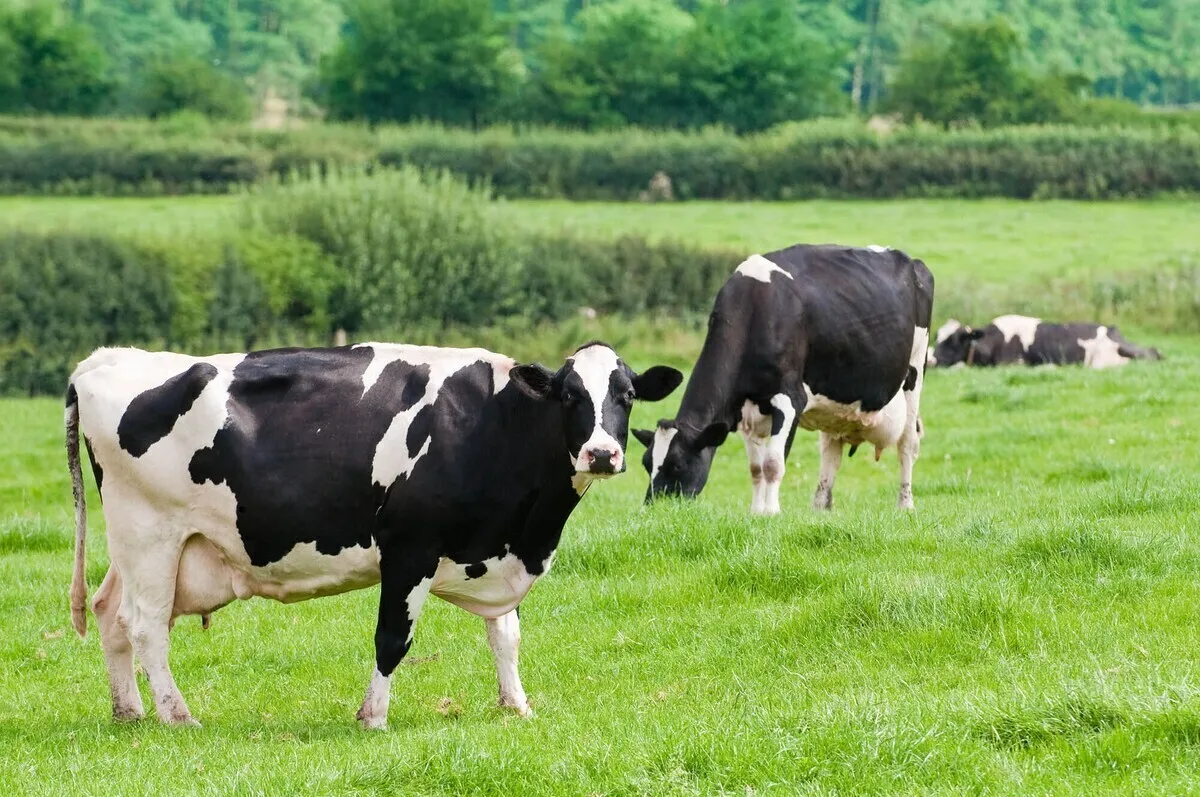
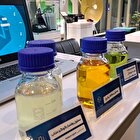
Mohammad Mehdi Naderi, the managing director of the company affiliated to Academic Center for Education, Culture and Research of Iran, referred to inauguration of the largest center for producing premium cow embryos by using in vitro fertilization (IVF) method in Iran, saying, “The production capacity of this new unit is 10,000 embryos per year and for the first time in Iran, the export of premium cow embryos to different countries has started.”
Noting that the center is equipped with the latest technologies in accordance with the latest global standards, he said, “At present, two export contracts have been signed with the African and Central Asian states and negotiations with other countries are also underway.”
Naderi explained that normally, only one calf can be produced per year from each premium cow, but using this technology, it is possible to produce up to 20 calves from one premium cow per year.
In a relevant development in 2023, a knowledge-based company in Iran had succeeded in producing embryos from high-yielding dairy and beef cows by using the IVF technology.
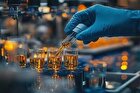
“High-yielding cows are imported to Iran from the European countries and they are then fertilized with high-fertile sperms, in a laboratory environment, and it takes ten days to transfer the embryos to livestock farms,” Mostafa Pournour Ali, a member of the knowledge-based company, told ANA.
“By using this method, we can get four embryos from a female cow in a month,” he added.
"High-yielding cows are premium breeds that can reduce production costs by 20% to 30% compared to other cows by producing more milk and meat,” Pournour Ali explained.
He added that embryo modification was carried out with the sperm received from bulls, which was time-consuming and lasted for four generations, noting that the new technology makes modification possible in the first generation.
“Also, this method can be used for the revival of the endangered species,” Pournour Ali said.
4155/v