Iranian Scientists Treat Stroke with AI
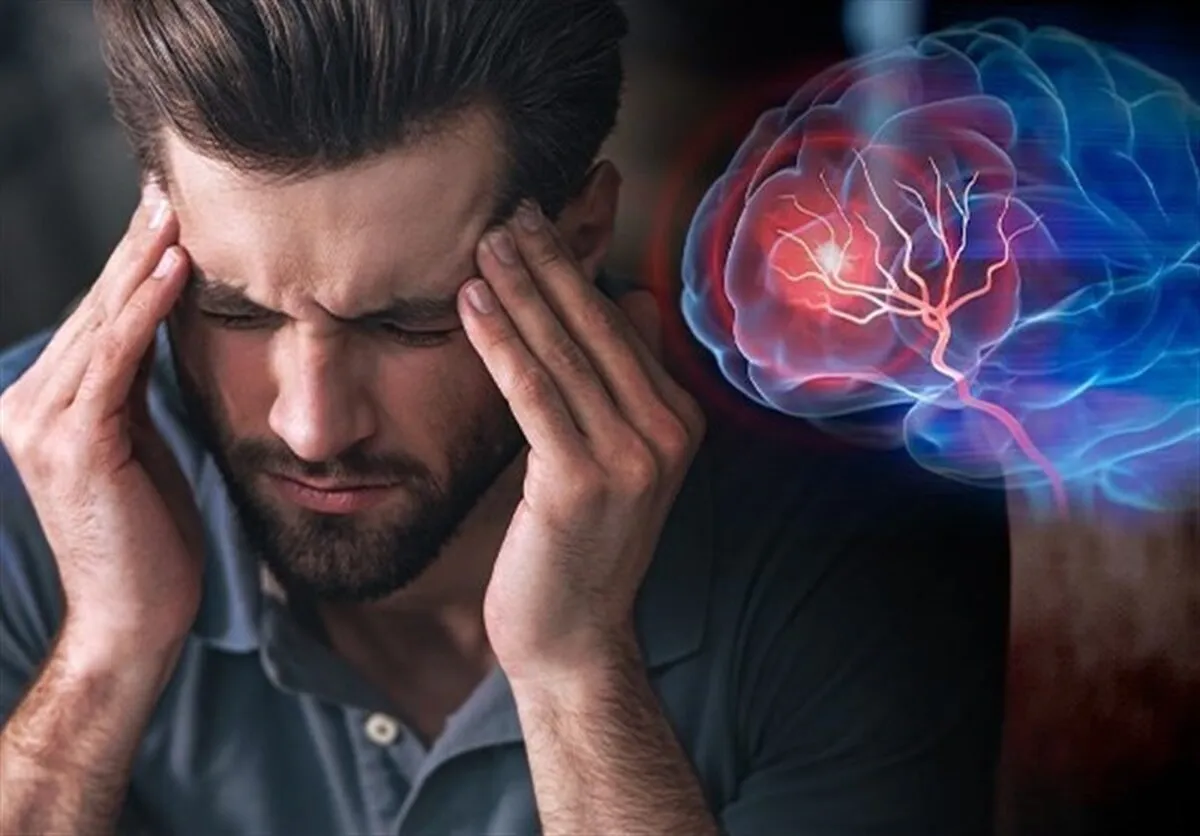
“The system we have designed collects patient imaging data, including CT scans, MRIs, and angiographies, and provides remote access to specialist doctors. With the help of artificial intelligence algorithms, this technology automatically analyzes the patient's brain images and provides vital information about the severity of the stroke, the extent of damage, and the exact location of the brain involvement,” said Abolfazl Malek Ahmadi, a master's student in Bioinformatics at Sharif University of Technology.
“This tool helps doctors make decisions in the shortest possible time and choose the best treatment course. In addition to integrating patient data, this software also paves the ground for monitoring the treatment process. The physician can optimize the patient’s treatment process by selecting a monitoring algorithm from among the available options. This capability accelerates decision-making on treatment methods, including drug therapy, medical interventions, or surgical procedures,” he added.
“At present, the MVP (minimum product) version of this system is being evaluated in a number of hospitals in Iran. If this stage succeeds, the commercialization process will start and this technology can be widely used in hospitals across the country,” Malek Ahmadi said.
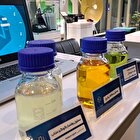
In a relevant development in May, a technological company in Iran had also succeeded in manufacturing a device capable of quickly identifying the concentration of bacteria in solutions and measuring the quality of engine oil by using artificial intelligence.
“Our company's product is the Optomac (Bactometer) device, which can detect the concentration of bacteria in solutions; of course, bacteria that are in suspension and visible,” Yasin Sama’ei, the executive director of the company stationed at the incubator center of the Islamic Azad University’s Isfahan branch, told ANA on the sidelines of Asr-e Omid event in the Northwestern city of Tabriz.
“The customers of this device include drinking water production companies, food, research companies, universities and university laboratories,” he added.
“This device is small and portable and does not require many accessories; it just connects to electricity and starts working,” Sama’ei said.
He explained that with the help of artificial intelligence, this device performs detection in real time, while the same process in a laboratory using the traditional method may take several days or a week.
4155/v