Iran Achieves ASR Technology for Airports
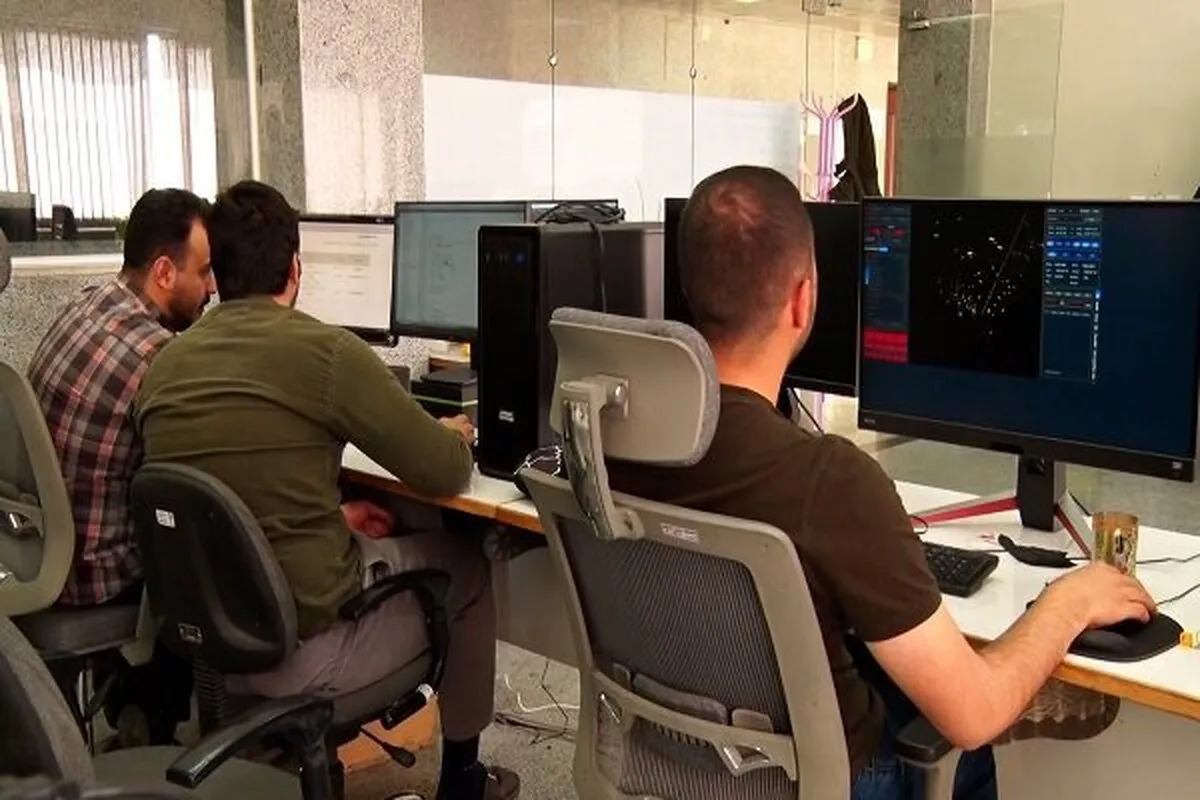
“This system plays an important role between various stations of airport companies in airport towers and air traffic control centers in the country,” said Vahid Qaffarinia, the head of Isfahan University of Technology's Information and Communication Technology Research Institute.
“In this system, information from various airport radars is received and processed at high speed, and information from primary, secondary and ADS-B radar sensors is displayed, covering all international standard formats,” he added.
An airport surveillance radar (ASR) system has been installed and launched in Isfahan province in Central Iran.
ASR is a radar system used at airports to detect and display the presence and position of aircraft in the terminal area, the airspace around airports. It is the main air traffic control system for the airspace around airports. At large airports it typically controls traffic within a radius of 60 miles (96 km) of the airport below an elevation of 25,000 feet.
The sophisticated systems at large airports consist of two different radar systems, the primary and secondary surveillance radar. The primary radar typically consists of a large rotating parabolic antenna dish that sweeps a vertical fan-shaped beam of microwaves around the airspace surrounding the airport. It detects the position and range of aircraft by microwaves reflected back to the antenna from the aircraft's surface.
The secondary surveillance radar consists of a second rotating antenna, often mounted on the primary antenna, which interrogates the transponders of aircraft, which transmits a radio signal back containing the aircraft's identification, barometric altitude, and an emergency status code, which is displayed on the radar screen next to the return from the primary radar.
4155/v