Early detection improves breast cancer outcomes
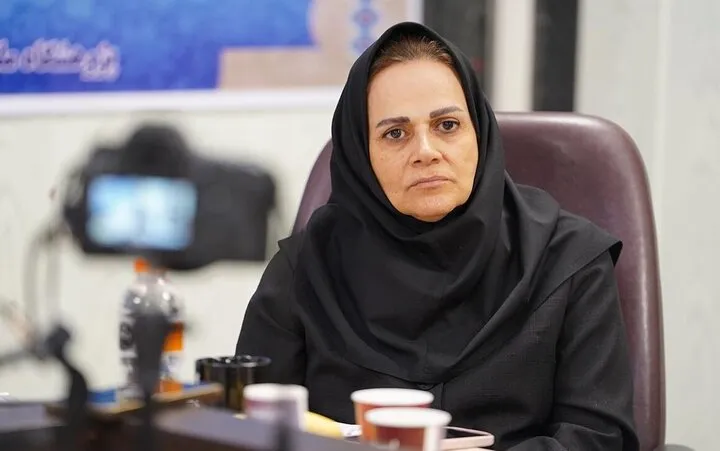
Asieh Olfatbakhsh, deputy director for research and education at the Academic Center for Education, Culture and Research’s National Cancer Institute, outlined the programs planned for the eighth annual “Pouyan Banoo” national breast cancer awareness and early detection campaign, held alongside Breast Cancer Awareness Month in October.
The campaign includes free clinical examinations, public and professional education programs, and a special celebration honoring breast cancer survivors.
Free examinations available at selected centers in Tehran
Olfatbakhsh said women can call 88785235 to book a free examination. One participating center is located in Building No. 1 of the institute, near Vanak Square at the beginning of South Gandhi Street. Callers can also receive guidance on finding a suitable center based on their place of residence.
The institute has also coordinated with Tehran’s municipal districts to provide free examinations. Districts 2, 4, 11, 14, 16, 19 and 22 are currently included in the initiative, with services offered according to each center’s schedule and capacity.
She stressed that the initiative goes beyond providing free examinations, aiming also to educate women about personal health care, early detection methods and when to seek screening.
Training for healthcare professionals and the public
The Pouyan Banoo campaign also includes specialized training for midwives, nurses and general practitioners. A webinar is scheduled for October 24, and interested participants can register through the Ministry of Health’s continuing medical education system.
For public education, the institute is ready to cooperate with organizations seeking to arrange awareness sessions for women. Where suitable facilities and groups of at least 25 to 30 women are available, specialist physicians and counselors can be dispatched to provide training.
Olfatbakhsh noted that awareness and screening activities continue throughout the year, rather than being limited to October, through partnerships with organizations and outreach programs in different parts of the country.
Early detection can improve treatment outcomes
According to statistics cited at the meeting, approximately 21,000 new breast cancer cases are identified in Iran each year, with an incidence rate of around 38 cases per 100,000 women.
Olfatbakhsh said early detection can significantly improve treatment effectiveness. Some women may have no noticeable symptoms, while screening can identify abnormalities that warrant further investigation and may lead to diagnosis at an earlier stage.
She explained that screening is not intended solely to identify confirmed cancer cases. Detecting suspicious findings or risk factors allows appropriate follow-up based on each individual’s circumstances and can help identify the disease earlier.
Delayed diagnosis can affect treatment outcomes and patients’ quality of life while increasing healthcare costs, she added, underscoring the importance of public awareness and easier access to diagnostic services.
Expert rejects misinformation about mammography
Olfatbakhsh also addressed misleading claims circulating on social media about mammography, including assertions that the procedure has been abandoned in countries such as Switzerland.
She said such claims are inaccurate, explaining that screening recommendations vary by country according to national health guidelines and cost-effectiveness assessments.
Age, family history, individual risk factors and breast tissue characteristics are among the factors that should inform screening schedules and the intervals between examinations. Medical recommendations should therefore be tailored to each woman’s circumstances in consultation with a physician.
Olfatbakhsh described mammography as a key tool for early breast cancer detection and said concerns that the procedure causes cancer to spread are not supported by scientific evidence. She added that radiation exposure is very low and should be assessed through a scientific evaluation of its benefits and risks.
Follow-up care and treatment support for patients
The institute is also working to ensure that women identified through screening programs receive appropriate diagnostic and treatment services, including those living in underserved areas.
When suspicious cases are identified during campaign activities, the institute follows up on the necessary diagnostic and treatment procedures. Patients in the first three income deciles may also qualify for free treatment services, subject to the applicable eligibility criteria.
Survivor event and online medical consultations
The institute plans to hold a special event for breast cancer survivors and intends to invite interested women whose information is recorded in its patient database. The date of the event will be announced later.
Patients can also contact specialist physicians online through the appointment section of the National Cancer Institute’s website at mci.ac.ir to access remote consultations and receive answers to their questions.
Olfatbakhsh concluded that raising public awareness, improving access to screening and ensuring timely diagnosis are essential to improving breast cancer outcomes. She also highlighted the role of the media in providing accurate information and encouraging women to seek appropriate preventive care.