Low-Power laser boosts gum cell repair
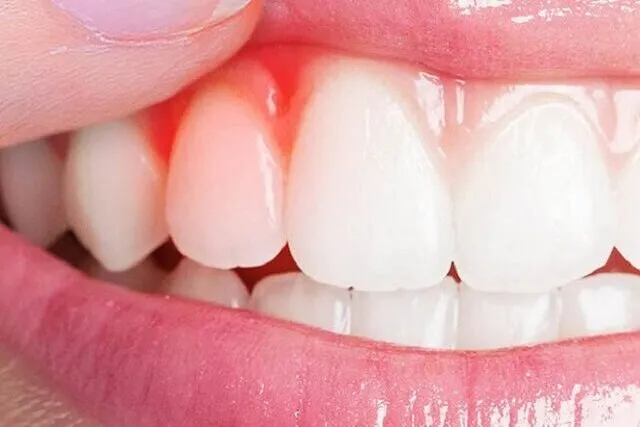
Researchers at Tehran University of Medical Sciences have found that photobiomodulation with a low-power diode laser can enhance the activity of human gingival fibroblasts, cells that play an important role in tissue repair. However, combining the laser treatment with stem cell-derived exosomes did not produce the expected additional benefit.
Tissue repair is a complex process that requires cells to multiply and migrate, new blood vessels to form, and extracellular matrix components to be produced. Researchers have therefore been exploring ways to stimulate cellular activity and accelerate tissue regeneration.
One such approach is photobiomodulation (PBM), a non-invasive technique that uses specific wavelengths of low-power light to influence cellular activity without generating significant heat. The light is thought to stimulate mitochondrial processes, including the production of ATP, the main energy source of cells, and may also affect signaling pathways involved in tissue repair.
In this study, the researchers examined whether combining PBM with exosomes derived from periodontal ligament stem cells could further enhance the proliferation and migration of human gingival fibroblasts.
The cells were divided into four groups: one received laser irradiation alone, another received both laser irradiation and exosomes, a third was treated with exosomes alone, and the fourth served as an untreated control.
The researchers used an 808-nanometer diode laser at energy densities of 3, 6 and 9 joules per square centimeter. Cell proliferation was measured using the MTT assay, while migration was assessed using the scratch wound test.
The results showed significant differences in both proliferation and migration among the groups. PBM produced the strongest response at an energy density of 6 joules per square centimeter.
At this setting, cell proliferation reached 130.20 ± 6.82, while cell migration reached 144.27 ± 4.3, the highest values recorded in the study. Exosome treatment also stimulated fibroblast activity, but its effect was weaker than that of PBM.
The researchers were particularly interested in the results of the combined treatment. Contrary to expectations, using the laser and exosomes together did not produce a synergistic effect. In fact, fibroblast activity in the combined-treatment group was lower than in the group treated with photobiomodulation alone.
The findings suggest that simply combining the two approaches may not be enough to achieve greater therapeutic effects. Researchers say factors such as exosome concentration, laser energy, exposure time and the number of treatment sessions may need to be optimized to determine the most effective combination.
Overall, the study indicates that photobiomodulation could have potential in periodontal tissue regeneration by promoting the proliferation and migration of gingival fibroblasts.
However, the researchers emphasize that the study was conducted in vitro on cultured cells. The findings therefore do not establish that the treatment is effective in patients. Animal studies and clinical trials will be needed to determine its safety and effectiveness for treating gum disease and periodontal tissue damage.