New drug combinations show promise against liver cancer
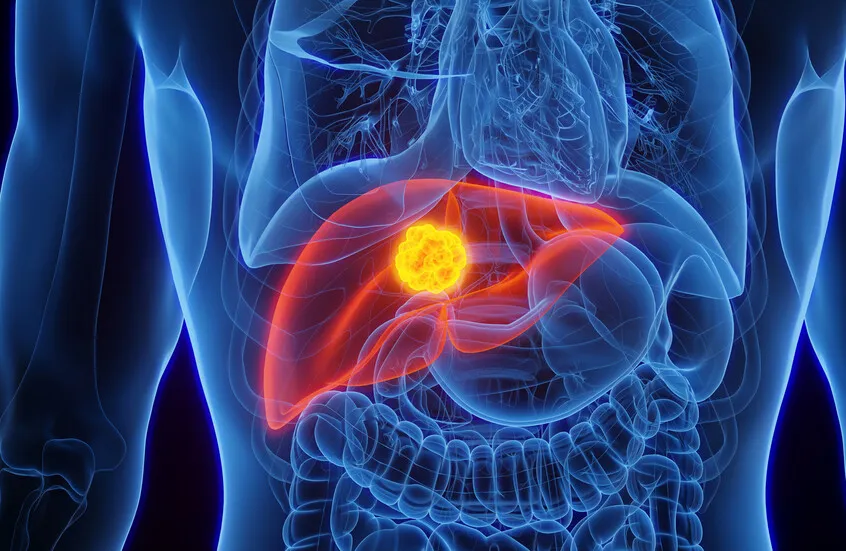
The research team screened more than 1,600 drug compounds, identifying several individual drugs and therapeutic combinations that showed promising activity against liver cancer.
Liver cancer remains difficult to treat partly because tumors can vary considerably from one patient to another. Tumors may differ in their biological characteristics, genetic alterations and underlying causes, all of which can influence how they respond to treatment.
To address this diversity, the researchers created a collection of 35 tumor organoid lines representing hepatocellular carcinoma (HCC), the most common form of liver cancer. These organoids consist of living cancer cells grown in three-dimensional structures that retain some of the key characteristics of the original tumors.
An important feature of the model is that several organoids were developed from small tissue samples obtained during diagnostic needle biopsies. This enabled the researchers to represent advanced tumors that have been underrepresented in previous organoid collections.
Sandro Nussiforo, the study’s first author, said the collection represents different stages of the disease as well as tumors with diverse underlying causes, allowing researchers to assess drug effectiveness across a broad range of biological tumor profiles.
Screening 1,642 Compounds
The researchers initially conducted an automated screening of 1,642 compounds across four selected organoid models. The compounds included cancer drugs, experimental molecules and approved medications used to treat other diseases.
Compounds that showed promising activity were subsequently tested across a larger collection of organoids.
Several drugs demonstrated strong anti-tumor activity, prompting the team to investigate combinations of drugs that work through different mechanisms. Some two- and three-drug combinations were more effective than the individual drugs used alone.
Several triple-drug combinations also appeared to target cancer cells more selectively, while having a lower impact on non-cancerous liver organoids.
Markus Heim, who led the research team, said combining drugs with different mechanisms of action could help maintain treatment effectiveness despite differences in the vulnerabilities of individual tumors.
Promising Results in Mice
The researchers then tested one promising combination—regorafenib, selinexor and ixazomib—in mice carrying tumors derived from patient-derived organoid models.
The three-drug treatment slowed tumor growth more effectively than regorafenib alone, without causing significant additional toxicity in the animal model used in the study.
However, the researchers emphasized that the findings remain at the preclinical stage and that further studies are needed before the combination can be evaluated in patients.
The organoid models also do not fully reproduce the complex tumor microenvironment, including blood vessels and immune cells.
Overall, the study highlights the potential of patient-derived organoids as a tool for systematically screening large numbers of drugs and identifying combination therapies that account for the substantial biological diversity found in liver cancer tumors.