Russian scientists develop method to turn plastic waste into fuel
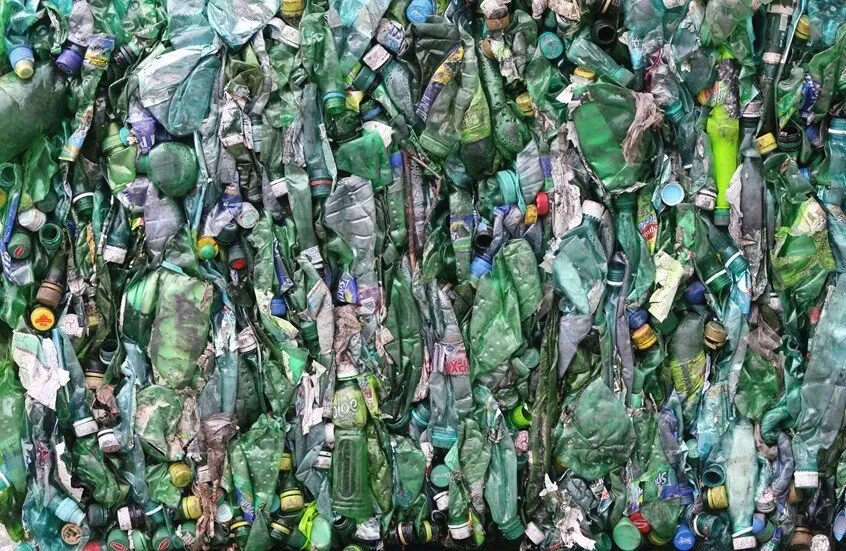
Russia’s Novosibirsk State University has obtained a patent for an innovative method of producing a chemical catalyst designed to convert plastic waste into engine fuel.
The university said its scientists collaborated on the project with researchers from the Russian Academy of Sciences.
The initiative brought together industry representatives, scientists, students and postgraduate researchers to develop a technically complex and knowledge-intensive process for the catalytic conversion of products derived from the pyrolysis of plastic waste.
According to the university, the catalyst is expected to be produced in an advanced laboratory specifically designed for this purpose at the university’s new research and scientific center, part of the second phase of its modern campus.
The technology has successfully undergone laboratory testing and is currently being implemented at the facilities of the project’s industrial partner, Moscow-based Unium Plus.
The university described the development as unique in the market and fundamentally different from catalysts used to process conventional petroleum feedstocks. Researchers have developed an integrated range of catalysts capable of converting pyrolysis oil into engine fuels, depending on its chemical composition, including aviation fuel.
The catalyst is currently designed to work with model feedstocks representing mixtures of polyethylene and polypropylene. The next challenge, researchers said, is to adapt the technology for real-world materials: pyrolysis oil obtained from plastic waste at municipal landfills after thermal treatment at specialized industrial pyrolysis facilities.