Iran’s Strategic Use of the Strait of Hormuz to Strengthen Regional Cooperation
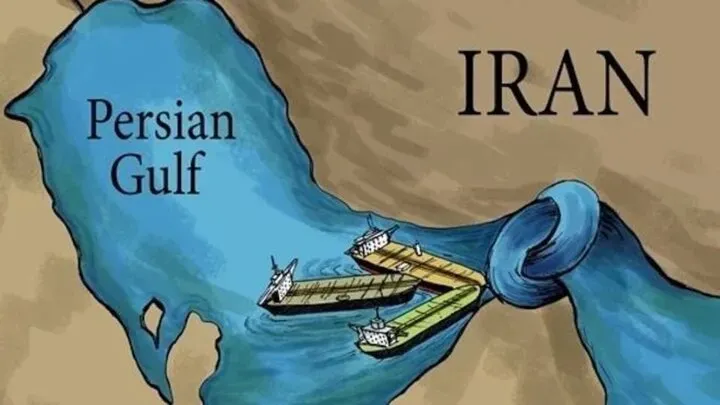
In an exclusive interview with the "ANA" news agency, Mohammad Reza Vaez-Mahdavi, a development and planning expert, highlighted that Iran's new policies for managing maritime traffic through the Strait of Hormuz aim to enhance regional stability and generate sustainable revenue.
He stressed that any change in energy flow through this vital strait could directly affect global oil prices and the economies of surrounding countries. He also emphasized that by adopting long-term policies, Iran can capitalize on its geostrategic location to create stable revenue streams and foster regional cooperation.
As global attention on the strategic significance of the Strait of Hormuz grows, discussions about the management of maritime traffic in this critical passage have once again become a key topic in economic and regional analyses.
The Strait of Hormuz, one of the world's most critical oil and energy transit routes, plays a decisive role in stabilizing global markets and the economies of regional countries. In this context, Vazeh-Mahdavi examined the recent changes in the management of this strategic passage, focusing on its economic, security, and regional dimensions, and underscoring its geostrategic potential to enhance Iran's economic role and foster regional cooperation.
"Recent Developments Have Created a New Vision for Utilizing This Geostrategic Advantage"
Mohammad Reza Mahdavi, in his conversation with "ANA" news agency, confirmed that recent developments have led to a new perspective on how to leverage Iran’s geostrategic advantage. He explained that any restrictions on the passage of oil and energy tankers through the Strait of Hormuz could have significant implications for global energy prices.
Iran’s Measures Aim to Smartly Regulate Maritime Traffic
Mahdavi added: "Iran is taking steps to smartly regulate maritime traffic through this strategic passage. In fact, the Strait of Hormuz has not been closed; rather, oversight and restrictions have been imposed on certain countries. These kinds of measures are seen in many strategic passages around the world and are usually assessed within the frameworks of international maritime law."
Direct Impact on the Global Economy and Oil Markets
He continued: "Given the large volume of energy passing through the Strait of Hormuz, any change in the status of maritime traffic could lead to an increase in oil prices or changes in global market risks. Even minor adjustments in passage policies can affect the economies of regional countries, as many of them rely on this strait as the primary route for exporting their energy."
Mahdavi added: "This issue will push neighboring countries toward a form of adaptation and coordination with the new circumstances, as the Strait of Hormuz is a vital point for many coastal economies."
Economic Opportunities for Iran and Islamic Countries
Regarding economic opportunities for Iran and Islamic countries, Vazeh-Mahdavi mentioned one long-standing proposal that could be strengthened: allocating part of the revenues from maritime traffic to develop Islamic countries and less-developed regions. This idea is similar to initiatives implemented by OPEC to fight global poverty.
"Iran Can Strengthen Its Role in Regional Economics"
He pointed out that, in addition to national benefits, Iran can adopt a long-term vision for its role in regional development. Allocating part of the revenues from the passage of goods and energy through maritime routes could help improve the standard of living in less-developed countries, while simultaneously enhancing Iran’s position in the regional economy.
Ensuring Continued Energy Exports from Iran
Mahdavi stated: "If Iran adopts a well-managed policy for maritime traffic, it could generate new revenues from maritime duties or transit fees. This model is evident in many significant global passages, such as the Suez and Panama Canals. Naturally, any short-term increase in global oil prices could boost Iran’s oil revenues, provided that Iran's energy exports continue without obstacles."
He stressed that policy-making in this area must be done carefully and with a long-term perspective to avoid severe fluctuations in energy markets.
Managing Maritime Traffic: An Economic and Security Issue
He went on: "Managing maritime traffic in the Strait of Hormuz is not just an economic issue; it also has security implications. The presence of military forces from other countries in the Arabian Gulf region has always been one of the factors influencing the sensitivity of this area, and managing this presence intelligently can contribute to reducing tensions and increasing regional stability."
"Iran Can Manage This Opportunity to Enhance Stability and Economic Cooperation"
Mahdavi concluded by saying: "Global experience shows that countries controlling strategic passages often use them as tools for economic regulation. If Iran can manage this opportunity within legal, economic, and regional frameworks, it will be able to generate new revenues, increase stability in the region, enhance its role in global trade, and foster economic cooperation with friendly countries."