Araghchi Says Current Iran–US Nuclear Talks Mark a Break from Pre-War Negotiations
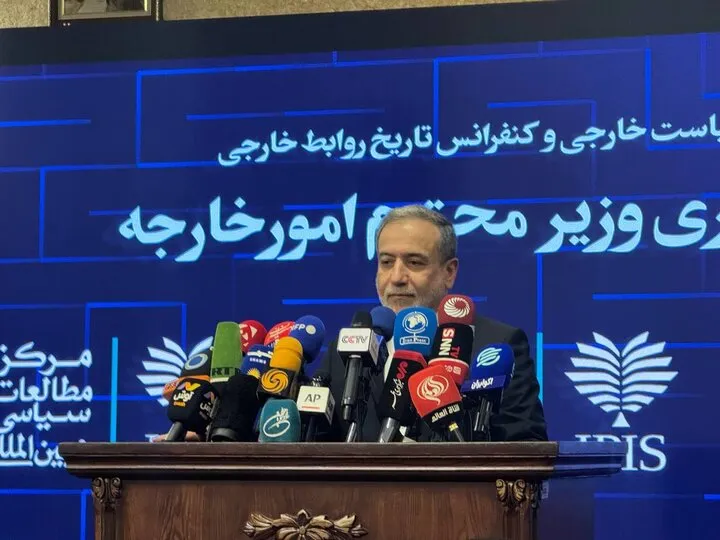
Speaking on Sunday at the sidelines of the first national congress on foreign policy and the history of foreign relations in Tehran, Araghchi said Iran entered the new talks with a clear understanding of past experiences. He characterized the first session in Muscat as a test of seriousness and mutual intent rather than a venue for immediate breakthroughs.
According to the foreign minister, both sides used the opening meeting to assess whether the other was genuinely prepared to pursue a negotiated solution. He stressed that the scope of the discussions was strictly confined to the nuclear issue and would remain so if the process moves forward.
Araghchi said the outcome of Friday’s talks is currently under review, with decisions on future rounds to be taken following assessments in Tehran and Washington. He also pointed to mixed signals from the United States, noting that while some actions suggest seriousness, the continuation of certain sanctions and military activities has raised questions about Washington’s intentions.
Downplaying the importance of the negotiation format, Araghchi said indirect talks—facilitated by Oman’s foreign minister—are common in international diplomacy and do not hinder the prospects of an agreement. The real challenges, he argued, stem from unrealistic demands and excessive claims, not from the structure of the talks themselves.
He added that Iran is open to confidence-building measures within its nuclear program, provided they are met with concrete and verifiable sanctions relief. Specifics, he said, would be addressed during the negotiation process.
The foreign minister noted that the timing and location of the next round remain undecided and could change, as in previous talks, but confirmed that negotiations would continue indirectly.
Highlighting a major difference from the 2013–2015 negotiations that culminated in the 2015 nuclear deal, Araghchi said regional countries are now playing a more active and supportive role through ongoing consultations. He cited Türkiye, Saudi Arabia, Qatar, the UAE, Egypt, Pakistan, and Azerbaijan, adding that China and Russia have also been kept informed.
Araghchi reiterated that Iran would not accept demands for zero uranium enrichment, calling enrichment a non-negotiable national achievement and a matter of national pride. He also stressed that missile capabilities and regional issues are not—and have never been—part of the negotiating agenda.