Rapid Sterilization Technology Developed in Iran
A knowledge-based company has succeeded in producing flash autoclaves capable of sterilizing medical instruments within a time frame of 7 to 22 minutes. According to the developers, this technology can play an effective role in optimizing healthcare resource management by reducing surgical downtime and increasing hospital bed turnover.
An Iranian knowledge-based company with more than 30 years of experience in the medical equipment industry has acquired the technical expertise required to design and manufacture flash autoclaves. Compared with conventional models, this product significantly shortens the sterilization cycle for medical instruments and has the potential to enhance operating room efficiency.
Sepehr Rezaei, Sales Director of the company, referred to its longstanding presence in the national medical equipment sector and stated: “As one of the earliest suppliers of autoclaves in Iran, we have taken an important step toward meeting the needs of healthcare centers and reducing dependence on imported products by localizing flash autoclave technology.”
He noted that the product has reached the mass production stage, adding: “While conventional autoclaves require approximately one hour and imported flash autoclaves require at least 12 minutes for sterilization, the domestically produced flash autoclave can complete this process within 7 to 22 minutes. This capability is particularly critical in high-traffic operating rooms.”
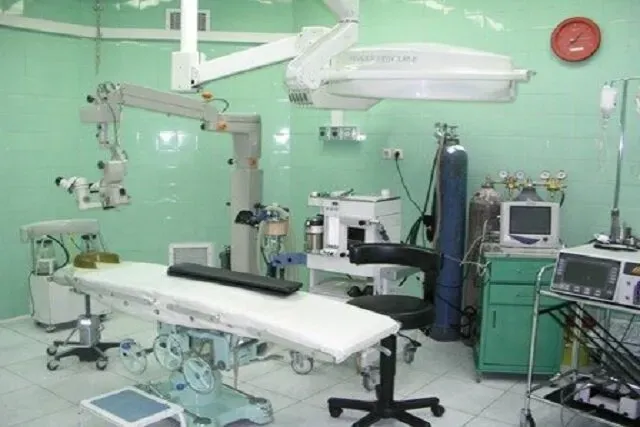
Emphasizing the impact of this technology on hospital management, Rezaei explained that in cases where surgical instruments become contaminated during procedures, rapid sterilization can prevent prolonged surgical delays, excessive antibiotic use, and extended occupation of hospital beds.
This is especially significant in busy hospitals, where such efficiencies directly contribute to increased bed utilization and overall operational productivity.