Iranian Scientist Produces Biodegradable Wood Plastic
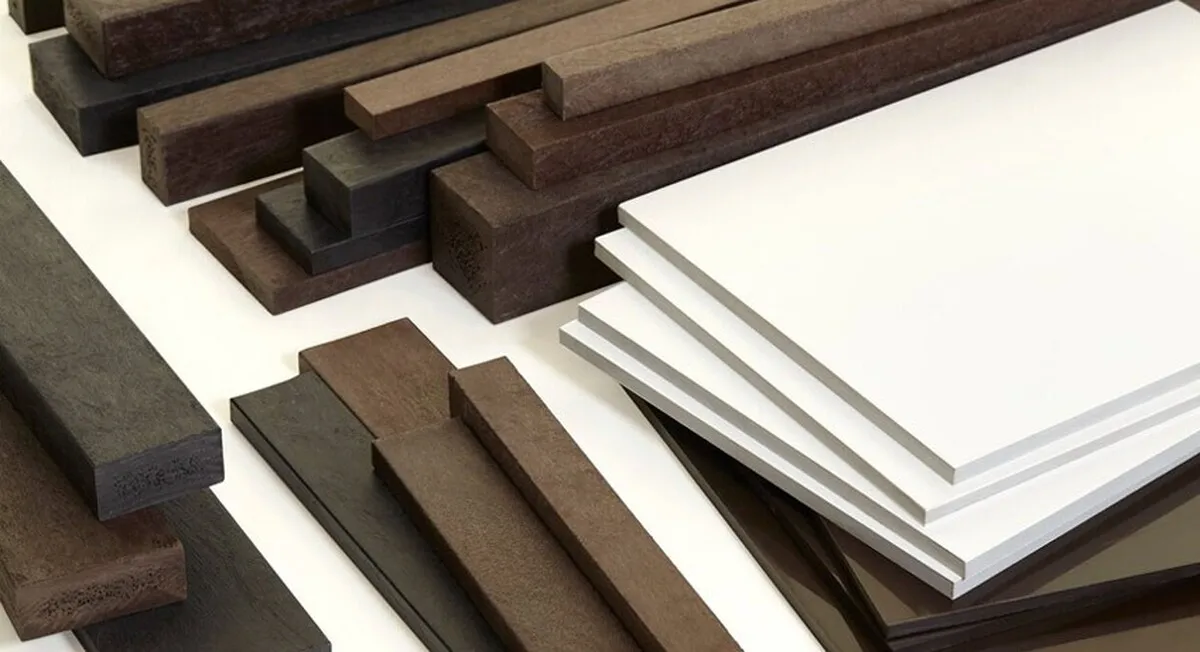
“One of my important research areas is identifying and developing a new tree from the poplar family that was hybridized by an Iranian scientist and has unique characteristics. This tree can be cultivated throughout Iran,” Kazzemi Tabrizi said.
“We produced three products from the wood of this tree; paper, compressed wood board, and plastic wood. With its rapid growth, this tree is highly adaptable to Iranian climatic conditions, and the products obtained from this tree also meet the necessary standards,” he added.
Kazzemi Tabrizi noted that so far, nearly 10,000 trees of this kind have been planted in different regions of Iran, adding that its capability to combat desertification and provide raw materials for the wood and paper industries has been proven.
In a relevant development in May, another Iranian researcher at Shahroud University of Technology had succeeded in producing a bio-based nanocomposite from wood flour, carbon nanotubes, and lignin adhesive.
This innovative material has high mechanical, electrical, and thermal properties and is a green alternative to common plastics in smart homes. Environmental assessments show that this nanocomposite has a lower environmental impact and provides a sustainable solution for smart devices, underfloor heating, and electronic furniture.
Mashallah Reza Kazzemi, a member of the Faculty of Chemical and Materials Engineering at Shahroud University of Technology, in collaboration with a team of international researchers, succeeded in developing the innovative bio-based composite that can play an important role in building smart, safe, and energy-efficient houses.
In this study, poplar wood flour (a renewable waste from forestry and agriculture), multi-walled carbon nanotubes (MW-CNT) as conductive fillers, and natural lignin as a bioadhesive were used. This unique combination not only offers impressive mechanical properties, but also, by eliminating synthetic adhesives, is more environmentally sustainable and helps reduce environmental impacts compared to polyethylene and polyvinyl chloride (PVC).
To achieve high performance, the wood flour was first subjected to an alkaline treatment to remove hemicellulose and increase the reactivity of cellulose. Then, lignin played a key role in the strength between the carbon nanotubes and the wood fibers by forming hydrogen bonds and strong interactions during the hot pressing process. Mechanical mixing also resulted in a uniform distribution of the nanotubes in the composite matrix.
4155/v