Ultra-Processed Foods Shorten Life
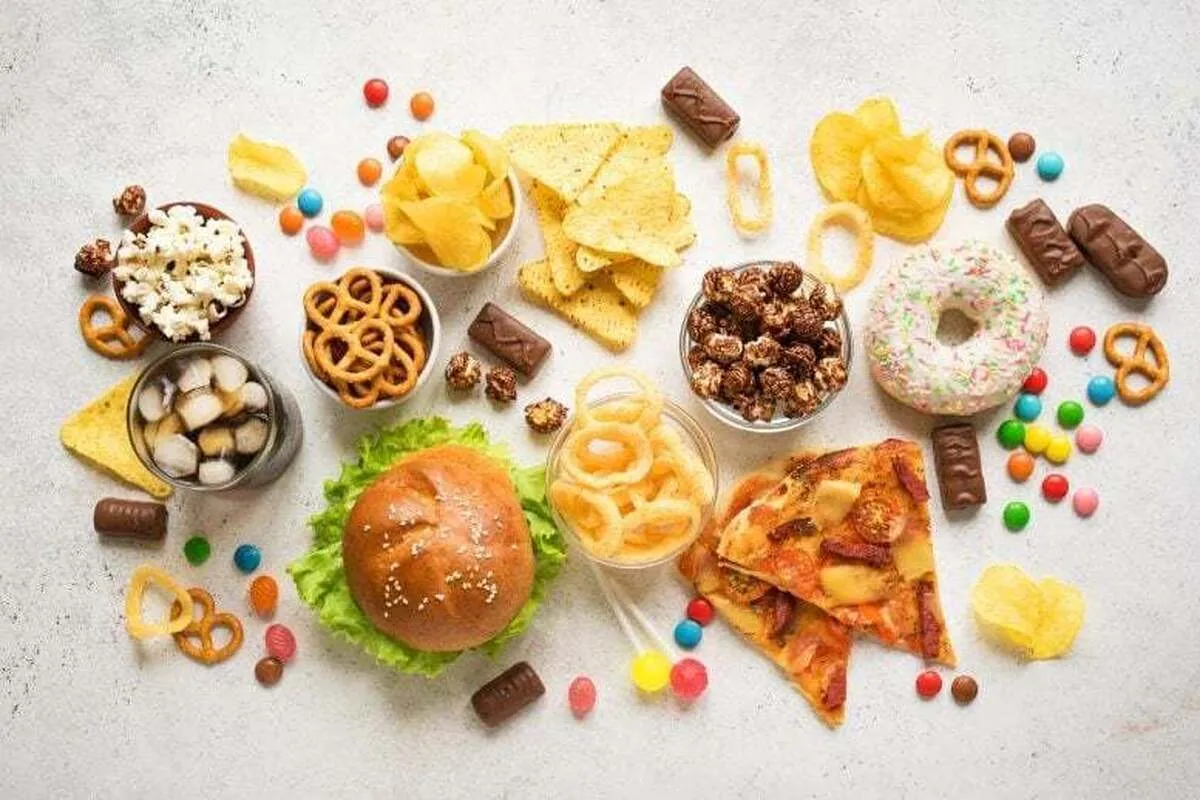
The link remained even when weight, smoking, and overall diet quality were factored out, hinting at something uniquely harmful in heavily engineered food, NUTRITION 2024 reported.
A major research study suggests that older adults who eat a lot of ultra-processed foods may face a higher risk of dying earlier. People who reported eating the most processed foods were about 10 percent more likely to die over the next two decades compared to those who ate the least.
The study followed more than half a million U.S. adults for nearly 30 years, making it one of the largest of its kind. The researchers found that eating more ultra-processed foods was linked to a small but noticeable increase in deaths from all causes, especially from heart disease and diabetes. However, no clear link was found with cancer-related deaths.
“Our study results support a larger body of literature, including both observational and experimental studies, which indicate that ultra-processed food intake adversely impacts health and longevity,” said Erikka Loftfield, PhD, Stadtman Investigator at the National Cancer Institute. “However, there is still a lot that we don’t know, including what aspects of ultra-processed foods pose potential health risks.”
The research analyzed data from more than 540,000 people who shared details about their diets in the mid-1990s, when they were between 50 and 71 years old. More than half of the participants have since passed away. Scientists compared death rates between those who ate the most ultra-processed foods and those who ate the least, while also looking at which types of processed foods might be most harmful.
“We observed that highly processed meat and soft drinks were a couple of the subgroups of ultra-processed food most strongly associated with mortality risk, and eating a diet low in these foods is already recommended for disease prevention and health promotion,” said Loftfield. The Dietary Guidelines for Americans recommend limiting sugar-sweetened beverages and processed meats such as hot dogs, sausages, and deli meat.
For this study, researchers used multiple strategies to classify the level of processing for various food items. This included breaking down food frequency questionnaire data into particular food and ingredient types in addition to incorporating expert consensus to categorize dietary components according to a rubric known as the NOVA classification system.
The researchers also accounted for other factors that can increase a person’s risk of death, such as smoking and obesity. They found that people who consumed more ultra-processed foods also tended to have higher body mass index and a lower Healthy Eating Index score (a measure of diet quality based on how closely a person’s diet aligns with the Dietary Guidelines for Americans). However, the analysis showed that these variables did not explain the associations between ultra-processed food consumption and increased mortality, as the associations between higher ultra-processed food intake and mortality risk persisted among people categorized as having better or worse diet quality, as well as among those classified as normal weight or obese.
One caveat is that the study design did not allow researchers to determine causality. In addition, Loftfield noted that the U.S. food supply and dietary preferences have changed considerably since the study’s baseline data were collected in the mid-1990s, underscoring the importance of continued research to further elucidate the relationships between food processing and human health.
4155/v