University of Tehran Iran’s Top University in QS 2026 Ranking
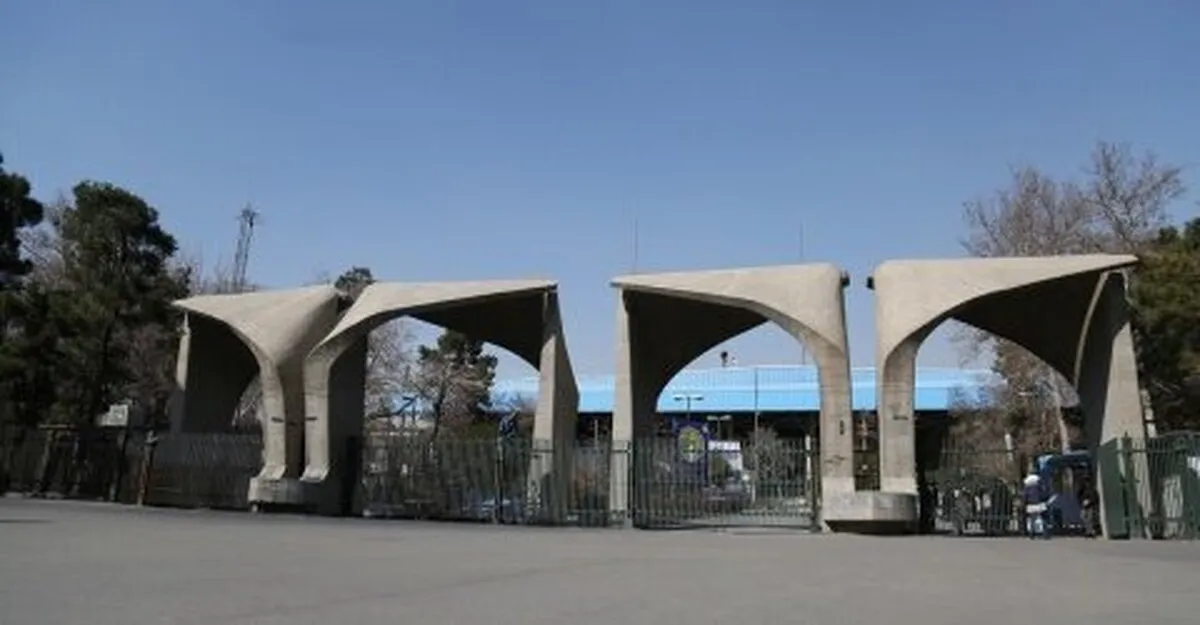
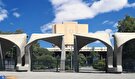
In the latest QS ranking, the University of Tehran ranked first in Iran by moving up 46 places and achieving 322nd place internationally.
In this list, Sharif University of Technology, Amirkabir University of Technology, Iran University of Science and Technology, and Isfahan University of Technology were ranked second to fifth, respectively.
This global ranking is published annually by the London-based Quikrley Symonds (QS) Institute according to indicators like academic reputation, employment reputation, citations per capita, “h” index, and international research network.
In the QS 2026 ranking, the performance of 1,501 universities from around the world, including 11 Iranian universities, was assessed.
Relevant reports said in 2022 that 43 faculty members and professors of the University of Tehran were among the top 1 percent of the most-cited scientists in the world.
Ali Fahim, Mohammad Reza Ganjali, Ali Asqar Heidari, Morteza Aqbashlou, Reza Tavakoli Moqadam, Mehdi Mehrpouya, Ali Bakhsh Kasaeeyan, Alireza Badiyee, Parviz Nowrouzi, Ali Akbar Sabouri, Abbas Zareyee Hanzaki, Hamed Mirzadeh (Soltanpour), Zahra Imam Jom’eh, Fat'holla Pourfayyaz, Shahin Rafiyee, Ali Akbar Moussavi Movahedi, Seyed Ali Torabi, Attaollah Taleyeezadeh, Farrokh Aminifar, Akram Hosseinian Serajelou, Pouria Ahmadi, Faramarz Khodayian Chegeni, Mohammad Ali Azadeh (Ali Azadeh), Seyed Mohammad Ali Ebrahimzadeh Moussavi, Fariborz Joulayee, Mohammad Ali Amouzegar, Mostafa Baqani, Mohammad Alhouyee Nazari, Seyed Hadi Razavi, Amin Hadi, Alireza Torabi, Mehdi Ashjayee, Mohammad Ali Akhavan Behabadi, Yunus Nourollahi, Jafar Razmi, Farshad Kosari, Hossein Yousefi, Milad Sadeqzadeh, Majid Sanayepasand, Hassan Qassemi, Alireza Keyhani, Maryam Salami and Mahmoud Omid are among the professors and faculty members of University of Tehran who stand beside the top 1% of the world's most cited researchers.
Among these 43 faculty members of University of Tehran, 54% have worked on engineering issues, nearly 20% have made research on multidisciplinary subjects, 12% on agricultural sciences, 7% on chemistry and the rest on biology, biochemistry, materials science and microbiology.
The Essential Science Indicators database reveals emerging science trends as well as influential individuals, institutions, papers, journals, and countries in any scientist’s field of research.
4155/v