Iran-Made Antibacterial Nano-Based Faucets Control Hospital Infections
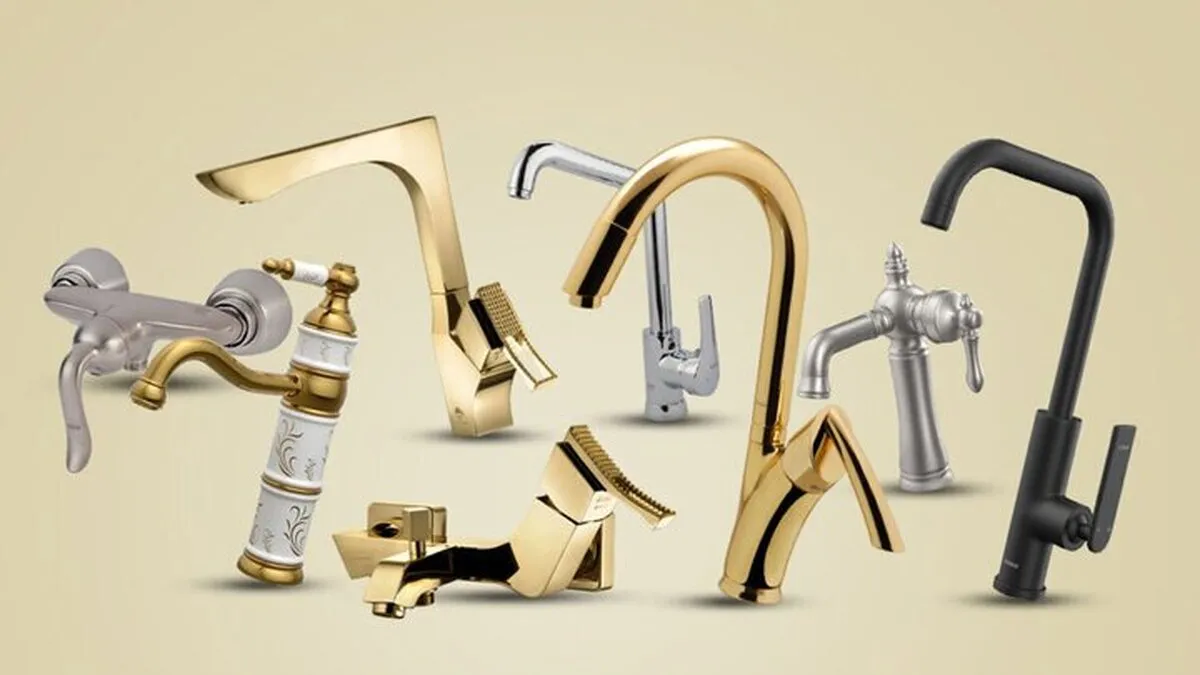
“Due to their antibacterial properties, these faucets can play an important role in improving public health, specially in hospitals and public buildings,” said Reyhaneh Ettefaq, the chairwoman of the Board of Directors of the Knowledge-Based company.
“By using zinc oxide and silver nanoparticles, we succeeded in producing faucets that prevent the growth and proliferation of bacteria. This technology has been welcomed by medical centers and samples of this product have been sent to one of the hospitals in Qom (a city in Central Iran). After conducting the necessary tests, the results of these tests were satisfactory and showed that this product can have a significant effect on controlling hospital infections,” she added.
“The company also is capable of making other hospital equipment antibacterial and has been able to create this property on painted products,” Ettefaq said.
In a relevant development in 2023, a member of the board of directors of an Iranian knowledge-based firm had also announced production of special valves, faucets and parts in the company for different industries which can also decrease water consumption in residential buildings up to 50%.
“Office and household consumptions make up to 10% of the total consumption of purified and expensive water, but by making faucets that reduce water consumption and other customized parts that enjoy higher industrial strength, it is possible to save water,” Abbas Ali Moradi, a member of the board of directors of the knowledge-based ‘Pishgam Daqiqsazan Andisheh Maroun’ company, told ANA.
“Customers of our products are mostly from steel, copper and petrochemical companies and they use them in the workplaces. At present, steel, copper and petrochemical companies are under pressure in terms of water consumption since they are among the most water-consuming firms and this challenge has made them find ways to reduce water consumption,” he added.
“The company's product can work for more than five years even in a harsh industrial environment, and it is also used in construction industries and can reduce water consumption in residential buildings up to 50%,” Moradi said.
4155/v


















